بقلة معروفة عند أهل الشام
المسوح الإثنوبوتانية الحديثة في سوريا وجيرانها تسجّل كل شيح في المنطقة إلا هذا. ومع ذلك فإن عالمًا توفي في دمشق سنة ١٢٤٨ يصف الطرخون بأنه مألوف هناك، وكتاب طبخ سوري من القرن نفسه يخلّله مرتين. العشبة لم تفشل في الوصول.
المحتويات
المادة تبدأ بتصحيح أمرين كان الناس مخطئين فيهما. ابن البيطار، المتوفى في دمشق سنة ١٢٤٨، يفتتح مقالته عن الطرخون بأن واحدًا من الأطباء وحده زعم أن النبات هو العاقر قرحا، وليس كذلك؛ وأن من الناس من زعم أن الطرخون لا بزر له، وليس الأمر كذلك أيضًا. ١ ثم يقول ما هو: بقلة معروفة عند أهل الشام، وهي قليلة الوجود بمصر.
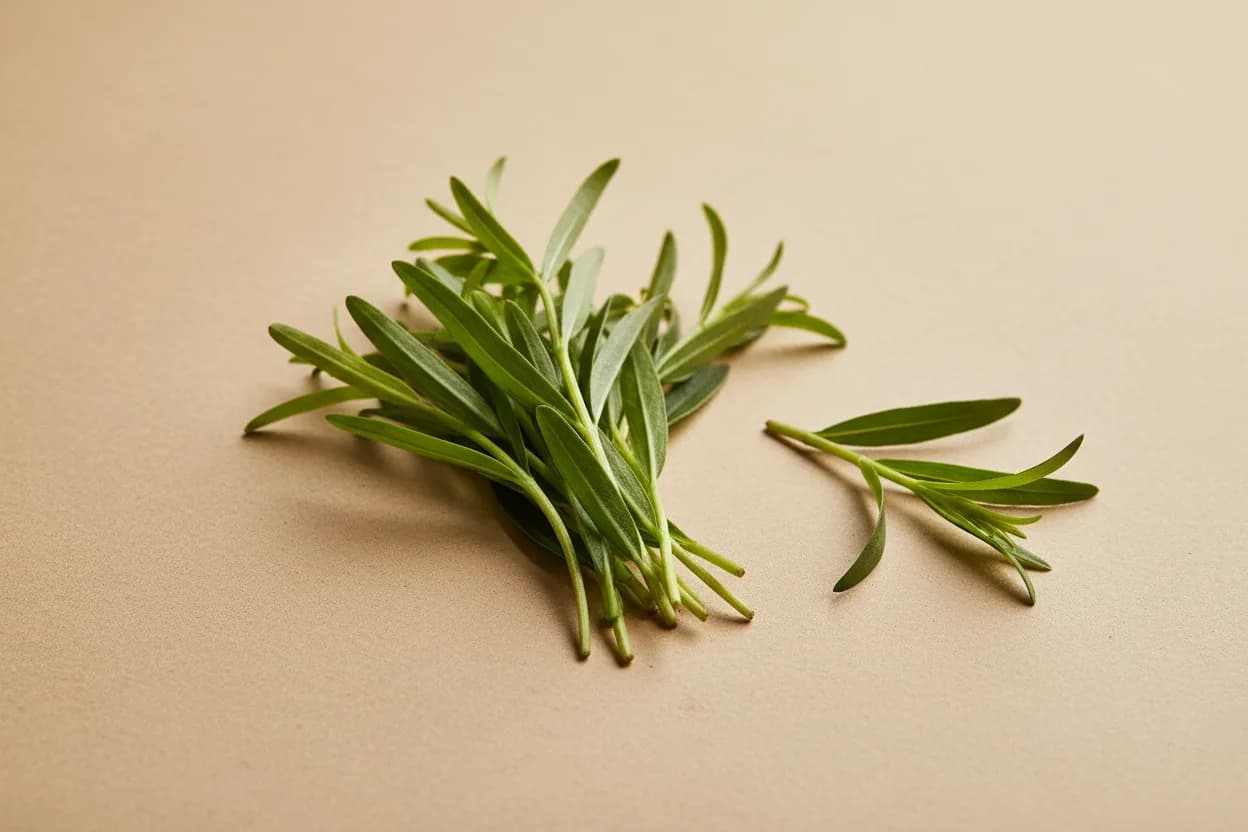
هذا دمشقي يكتب عن الشام، في كتاب مفردات يشمل الغذاء كما يشمل الدواء، والكلمة التي يختارها هي «بقلة»، أي خضرة ورقية من بقول البستان. وما يتبع ليس وصفة دوائية. أطرافه الرخصة، يكتب، تُقدَّم على المائدة مع النعنع وغيره من البقول؛ فتنهض الشهوة وتطيّب النكهة، وإذا شُرب الماء عليه طيّبه وطاب به. ١ إنه يصنّف الطرخون بين بقول المائدة.
والمصادر التي ينقل عنها أكثر تحديدًا. إسحاق بن عمران يقول إن على المرء أن يختار منه الغضّ الطريّ وأن يأكله مع الكرفس، لأن الكرفس يمنع ضرره. والرازي، في «دفع مضار الأغذية»، يقول إن مضغه وإمساكه في الفم زمانًا طويلًا جيّد للقلاع. والتميمي يصف شيئًا يعرفه الطاهي: الطرخون مخدّر للهوات واللسان بما في طبعه من الحرافة الكافورية اللطيفة، وفي طعمه شيء من طعم العاقر قرحا، حتى إن مضغه قبل جرعة من دواء مطبوخ كريه يخدّر الفم بما يكفي لإنزال الدواء دون غثيان. ١ ولا أحد في المادة كلها يقارن الطرخون باليانسون.
وكتاب الطبخ يوافقه دون أن ينقل عنه
ثمة نصّ سوري ثانٍ من القرن الثالث عشر فيه الطرخون أيضًا، وهو كتاب طبخ لا كتاب أدوية. «كتاب الوصلة إلى الحبيب» مجهول المؤلف، ويُنسب أحيانًا إلى المؤرخ الحلبي ابن العديم على أساس نسبة في مخطوطة واحدة. بابه الثامن في المخللات والملوحات، والطرخون يظهر فيه مرتين، وهو كل ما يظهر في الكتاب. ٢
الأول مخلّل خيار: خيار صغير يُنقع ويُصفّى ويُرصّ في قطرميز ويُقلب عليه خلّ خمر حادق، ويُربّى فيه قلوب الكرفس والسذاب ورؤوس الثوم. ثم يأتي السطر الذي يربط الطبق بموسم لا بقائمة شراء. وإن كان زمن الطرخون تُعمل فيه أيضًا عروق منه. وهو طيّب ولا يقيم كثيرًا. ٢ والثاني الشمر الأخضر: تُؤخذ قلوبه الغضّة وتُقطّع أصغر ما يمكن، ويُذرّ عليها ملح مدقوق وتُعرك عركًا جيدًا حتى تذبل، وتُترك ليلة في قصعة مائلة على جنبها ليسيل ماؤها، ثم تُعصر عصرًا قويًا، ويُقلب عليها لبن حامض وبصل مخروط أرفع ما يكون من بياضه خاصة، وورق النعنع، وقلوب طرخون، وزيت طيّب. ٢
نصّان، جنسان أدبيان، قرن واحد، منطقة واحدة. وما يجعل قراءتهما معًا مثمرة أنهما يتفقان على الرفقة التي يحتفظ بها الطرخون. كتاب الأدوية ينقل عن إسحاق بن عمران قرن الطرخون بالكرفس، وكتاب الطبخ يضع قلوب الكرفس في مخلّل الخيار. وكتاب الأدوية يجعل ماء الطرخون يدخل مع ماء الرازيانج الأخضر في شراب، وكتاب الطبخ يبني مخلّلًا كاملًا من الشمر الأخضر يُطيّب بالطرخون. ١ ٢ وكلاهما يستعمل الكلمة نفسها للجزء الطيّب من النبتة: القلوب، أي الأطراف الغضّة. هذا ليس نصًّا ينقل عن نصّ. هذه مفردات مطبخ مشتركة، وهي ما يبدو عليه المطبخ من داخله.
وهو يقع كذلك في منطقة صنعت مفرداتها الدوائية بنفسها لا استوردتها فقط. مسحٌ لمفردات الشام في العصر الوسيط والعثماني أعاد بناء ٢٨٦ مادة من نحو ألف ومئة سنة من الأدب الصيدلاني والرحلات والمعاجم والأرشيفات، منها ٢٣٤ نباتًا، وخلص إلى أن الشام كان مصدرًا مستقلًا للإنتاج والتسويق. ٣ وأما إن كان الطرخون على تلك القائمة بعينها فلم أستطع التحقق، ولن أتظاهر بغير ذلك.
ثم يختفي
ابحث عن الطرخون في السجل الشامي الحديث فلن تجده. مسحٌ لأدبيات الدراسات الإثنوبوتانية في سوريا ولبنان والأردن وفلسطين وجنوب شرق تركيا يعطي خمسة عشر بحثًا لا تحمل قوائم أنواعها Artemisia dracunculus، في حين تظهر فيها جميعًا Artemisia herba-alba وjudaica وsieberi وmonosperma وinculta وannua وabsinthium. اثنان من الأبحاث السورية قرأتهما كاملين. مسحٌ للنباتات الغذائية البرية في طرطوس الساحلية لا يذكر الجنس على الإطلاق. ٤ ومسحٌ إثنوطبي لحماة وحمص، في وسط سوريا، فيه Artemisia herba-alba وArtemisia annua وليس فيه هذا. ٥ ولا مصدر أكاديمي أو تاريخي للطعام أمكنني الوصول إليه يسمّي طبقًا سوريًا أو حلبيًا حديثًا بالطرخون. وحيث يكون الطرخون طعامًا بلا جدال اليوم، فالسجل جورجي وإيراني وأرمني: عملٌ ميداني جورجي بأكثر من ٣٨٠ مشاركًا يسجّل ١٢٥ ذكرًا استعماليًا له في الطعام، مقابل ثمانية للشيح المرّ وثلاثة للبعيثران. ٧
وقبل أن نعدّ ذلك حكمًا، انظر ما تستطيع الأداة أن تراه. المسح الجورجي الذي سجّل تلك الذكور المئة والخمسة والعشرين يدرج الطرخون بين الأعشاب التي يسمّيها واسعة الزراعة، إلى جانب البقدونس والكزبرة والشبت والشمر. ٧ ومسحٌ منفصل للنباتات والفطر البرية المعروضة في أسواق يريفان، ٣٧ موقعًا و١٣٦ شخصًا و١٦٣ نوعًا، يسجّل خمسة أنواع من الشيح ولا يسجّل الطرخون، في أرمينيا، حيث الطرخون عشبة مطبخ بلا نقاش. ٦ مسوح الغذاء البري ومسوح النباتات الطبية وصفائح المعاشب كلها شِباك بالثقب نفسه. لا تصطاد أعشاب البساتين. وكلمة ابن البيطار للطرخون كانت «بقلة»، أي خضرة مزروعة، وهي بالضبط الفئة التي لا يخرج أحد لمسحها.
وبيانات التواجد تثبت النقطة بقسوة. للطرخون ١٩٬٢٩٨ سجلًا في المرفق العالمي لمعلومات التنوع الحيوي، منها ١٬٣٣١ من فرنسا، وهي بلد تدرجه قوائم كيو نفسها بوصفه دخيلًا فيه. ٨ ٩ أما سوريا ولبنان والأردن وفلسطين والعراق ومصر فتعطي صفرًا بينها كلها، في حين تعطي Artemisia herba-alba، وهو شيح شامي بري حقًّا لا يزرعه أحد، تسعة عشر سجلًا لسوريا وحدها. ٨ كيو تدرج لبنان وسوريا بين ١٠١ منطقة أصلية للطرخون؛ والمرفق العالمي لا يحفظ عيّنة شامية واحدة. ٩ ٨ القاعدتان تتناقضان ولا أستطيع الحكم بينهما، فالقراءة الأمينة أن جهد التسجيل يتبع علماء النبات لا النباتات، وأن نبتة تُحفظ في البساتين وتُؤكل غضّة تكاد تكون غير مرئية لكل ذلك.
فرنسا، وهي المكان الوحيد الذي لم يأتِ منه
وفي الوقت نفسه اكتسبت العشبة جنسيّة. الكتابة النباتية الغربية لا تسجّل الطرخون حتى سنة ١٥٣٦، حين ذكره الطبيب الفرنسي جان رويل داخل فصل عن Dracunculus، وهو فصل يتناول في الحقيقة نبات القلقاس. ودودونيوس يمنحه أول مادة مستقلة سنة ١٥٥٤، مصنّفةً بين الجرجير وحرف الماء ضمن النباتات المأكولة، ويذكر أنه غير معروف إلا في بعض أنحاء فرنسا وفي أنتويرب وبروكسل وميخلن، حيث أدخله الفرنسيون. ١١ أي بعد نحو مئتين وتسعين سنة من وصف رجل في دمشق له بأنه مألوف.
أما الكلمة فقد سافرت في الاتجاه المعاكس. الإنجليزية tarragon تنحدر من اللاتينية الحديثة tarchon، من اليونانية الوسيطة tarkhon، من العربية «طرخون»، ثم بعد ذلك فقط، وبتحفّظ المعجم نفسه «ربما»، من اليونانية drakon أي التنّين. ١٢ والتنّين الذي في اسم النوع dracunculus تنّين آخر، وصل على حدة في ثلاثينيات القرن السادس عشر حين صنّف رويل النبات مع القلقاسيات. ١١ والاثنان يُلحمان عادة في حكاية واحدة عن الطرخون وشفاء عضّة الأفعى، ومؤرخو الأدبيات اللاتينية يقولون صراحة إن تلك المعتقدات غير مثبتة. ١١
والنسبة أغرب من ذلك. ابحث في الفهرس العالمي لأسماء النباتات عن Artemisia dracunculus var. sativa، وهو الاسم على كل كيس بذور وكل بطاقة مشتل للطرخون المطبخي تقريبًا، فلا يعطيك شيئًا. أما استعلامات الضبط بالصيغة نفسها فتعطي خمس نتائج لـvar. glauca ونتيجة واحدة لـvar. pamirica، فالصفر غياب حقيقي لا استعلام معطوب. ١٠ وكيو تدرج فرنسا بين ثماني عشرة منطقة دخيلة. ٩ الطرخون الفرنسي نسيلة بستان تلبس لاتينية نباتية، مسمّاة على بلد النبتة فيه زائرة.
والتفسير المعتاد لتلك النسيلة أنها عقيمة، وهنا يصبح تصحيح ابن البيطار في القرن الثالث عشر مضحكًا لا طُرفة قديمة. عملٌ على النمط الكروموسومي لتسع عيّنات إيرانية وجد عدد كروموسومات أساسيًا يساوي تسعة، والطرخون الفرنسي رباعي الصيغة والروسي عشاري الصيغة. ١٥ فالذي يعقد البذر بحرّية يحمل أكثر من ضعف مجموعات الكروموسومات التي يحملها الذي يرفض عقدها، وهذا يترك الحكاية الأنيقة عن تعدد الصيغة والعقم بلا ساق تقف عليها. كان ابن البيطار محقًّا في أن للنوع بزرًا. والبستانيون محقّون في أن نبتتهم لا تعطيهم شيئًا منه.
وما طعمه فعلًا
الطرخون من جنس Artemisia، جنس الشيح والبعيثران، وطعمه حلو يانسوني لا مرّ. والسبب رابطة واحدة. الإستراغول، المركّب المسيطر على زيت الطرخون، والأنيثول، المركّب الذي يجعل اليانسون يطعم يانسونًا، متماكبان بنيويًّا: كلاهما C10H12O، وكلاهما كتلته الدقيقة ١٤٨٫٠٨٨٨، وكلاهما حلقة ميثوكسي بنزين تحمل ذيلًا من ثلاث ذرات كربون. في الأنيثول تجلس الرابطة المزدوجة بجوار الحلقة؛ وفي الإستراغول تجلس في أقصى الذيل. ١٧ فالـArtemisia يطعم يانسونًا لأنه يصنع جزيء اليانسون نفسه مع تحريك رابطة مزدوجة واحدة موضعًا واحدًا. وزيت طرخون إيراني تجاري يحمل أنيثولًا حقيقيًّا أيضًا، بنسبة ١٫٥ في المئة. ١٣
وما لا يحمله الطرخون هو ما يجعل أقاربه مرّة. في جداول أحد الأبحاث، خانتا الثوجون ألفا وبيتا فارغتان عند Artemisia dracunculus، في حين يظهر الشيح المرّ في الجدول نفسه ببيتا ثوجون بنسبة ٤٤ في المئة، والبعيثران بألفا ثوجون بنسبة ٦٥٫٥. ١٣ والثوجونات كيتونات تربينية أحادية ثنائية الحلقة، والأبسنثين لاكتون سسكوتربيني مزدوج؛ أما الإستراغول فيأتي من مسار الفينيل بروبانويد. ١٧ الطرخون والشيح ليسا إعدادين لآلة واحدة. إنهما يشغّلان كيمياء مختلفة داخل الجنس نفسه.
لكن هنا تتصدّع الحكاية الشائعة. الإستراغول يشكّل ٧٥ في المئة من ذلك الزيت الإيراني و٨٤ في المئة من مقطّر البحث نفسه، ونحو ٨٠ في المئة من زيت الطرخون الفرنسي الرباعي الصيغة. ١٣ ١٤ ثم قاس أحدهم ما يشمّه الناس فعلًا. تحليل تخفيف مستخلص الأريج للطرخون وجد الإستراغول أوفر مركّباته العطرية الفعّالة، بـ٢٬٩٠٠ ملّيغرام في كل كيلوغرام من الورق، ورتّبه ثالثًا بالنشاط الشمّي: بيتا أيونون ٥٬٨٦٢، والأوجينول ٢٬٦٥٣، والإستراغول ٤٦٠. وخلص الباحثان إلى أن بيتا أيونون والأوجينول أسهما الإسهام الأكبر، وأن الإستراغول كان ثانوي الأهمية. ١٦ عيّنة واحدة، وعتبات قيست في النشا والسيلولوز، ونشاط شمّي مقداره ٤٦٠ لا يزال أعلى بكثير من العتبة، فهذا يعقّد الحكاية ولا ينهيها. لكن المركّب المسيطر بالكتلة ليس هو الرائحة المسيطرة، والتميمي، وهو يبحث عن مقارنة قبل تسعة قرون، قال العاقر قرحا لا اليانسون.
ولا يوجد كذلك طعم طرخون واحد يجب الوفاء له. من بين ٦٣ نبتة برية ثنائية الصيغة في أمريكا الشمالية، كان المركّب المسيطر الأوسيمين في ٢٢، والميثيل أوجينول في ١٥، والميثيل شافيكول في ١٠ فقط، والتربينولين في ٥. ١٤ والطعم الذي يعامله الطبخ الأوروبي كالمعيار يخصّ نسيلة واحدة من نوع يفعل عدة أشياء مختلفة تمامًا.
إذن العشبة لم تفشل في التوطّن في سوريا. كانت هناك، في البستان وعلى المائدة، وسجلّها كتاب أدوية ووصفة مخلّل يتفقان على الكرفس والشمر الأخضر وعلى الكلمة الدالة على الأطراف الغضّة. وما حدث بعد ذلك غير مدوَّن في أي مكان أستطيع الوصول إليه، والمسوح التي تُبلغ عن غيابه ليست مبنيّة لتجد نبتة يزرعها أحدهم عند باب المطبخ. وآخر ملاحظة لابن البيطار عنه هي التي لم يعبأ بها كيميائي: كُل الأطراف الغضّة، فيطيب الماء الذي تشربه بعدها أكثر مما كان.
المصادر
كلُّ دعوى مُرقَّمةٍ أعلاه تشيرُ إلى ما هٰهنا. والروابطُ تُفضي إلى البحث أو الوثيقة أو الجهة نفسها.
- ١.
Ibn al-Baytar (Abd Allah ibn Ahmad al-Malaqi, d. 646 AH / 1248 CE, Damascus). Al-Jami li-mufradat al-adwiya wa-l-aghdhiya, entry tarkhun, in the ta section. Read in Arabic in volume 3 of the four-volume Arabic printing digitised by the Internet Archive (item title al-Jami li-mufradat al-adwiya wa-l-aghdhiya, Ibn al-Baytar). The entry sits between the entries tarashina and tarthuth, and the volume yields thirteen occurrences of the word tarkhun. Source for the descriptions of tarragon as a pot-herb known to the people of al-Sham and scarce in Egypt, as one of the herbs of the table served with mint, for the refutations of the claims that it is pellitory and that it sets no seed, for the two kinds reported from the agricultural literature, for Ibn Masawayh's Galenic grade, for al-Razi on chewing it for mouth ulcers, for Ishaq ibn Imran on eating it with celery, and for al-Tamimi on its numbing of the uvula and tongue and its taste of pellitory.
https://archive.org/details/1_20210320_20210320_0857 - ٢.
Anonymous, 13th century, Syria. Kitab al-Wasla ila l-Habib fi Wasf al-Tayyibat wa-l-Tib, chapter 8, on pickles and salted preserves. Published in translation as Perry C (ed. and trans.), Scents and Flavors: A Syrian Cookbook, Library of Arabic Literature 47, New York University Press, 2017. The link is to the Library of Arabic Literature's page for that edition; the Arabic was read in the Internet Archive scan of the Arabic-only text (item perry-scents-and-flavors-arabic-only-1), which yields two occurrences of tarkhun, both in chapter 8: tarragon stalks added to a cucumber pickle in sharp wine vinegar with celery hearts, rue and garlic, and tarragon hearts dressed with sour milk, onion and mint over salted green fennel hearts. Authorship is anonymous; an attribution to the Aleppan historian Ibn al-Adim rests on a single manuscript ascription and is not asserted here.
https://www.libraryofarabicliterature.org/books/scents-and-flavors/ - ٣.
Lev E. Reconstructed materia medica of the medieval and Ottoman al-Sham. Journal of Ethnopharmacology. 2002;80(2-3):167-179. Source for al-Sham having been an independent source of production and marketing of medicinal substances in the medieval and Ottoman periods, and for the 286 substances identified across roughly 1,100 years of sources, of which 234 (81.8 per cent) are plant species. Whether Artemisia dracunculus is among those 234 could not be checked, and no claim either way is made here.
https://doi.org/10.1016/S0378-8741(02)00029-6 - ٤.
Sulaiman N, Pieroni A, Soukand R, Polesny Z. Food behavior in emergency time: wild plant use for human nutrition during the conflict in Syria. Foods. 2022;11(2):177. An ethnobotanical survey of wild food plants in Tartus, coastal Syria. Full text read at PMC8775266: the genus Artemisia does not appear in it at all.
https://doi.org/10.3390/foods11020177 - ٥.
Khatib C, Nattouf A, Hasan Agha MI. Traditional medicines and their common uses in central region of Syria: Hama and Homs, an ethnomedicinal survey. Pharmaceutical Biology. 2021;59(1):776-786. Full text read at PMC8231352: Artemisia herba-alba and Artemisia annua appear, and Artemisia dracunculus does not.
https://doi.org/10.1080/13880209.2021.1936078 - ٦.
Nanagulyan S, Zakaryan N, Kartashyan N, Piwowarczyk R, Luczaj L. Wild plants and fungi sold in the markets of Yerevan (Armenia). Journal of Ethnobiology and Ethnomedicine. 2020;16:26. A survey of 37 market locations, 136 people and 163 species. It records Artemisia absinthium, austriaca, fragrans, tournefortiana and vulgaris, and not Artemisia dracunculus, in a country where tarragon is a well-established culinary herb. Cited here as evidence that surveys of wild plants cannot see cultivated garden herbs.
https://doi.org/10.1186/s13002-020-00375-3 - ٧.
Bussmann RW, Paniagua Zambrana NY, Ur Rahman IU, Kikvidze Z, Sikharulidze S, Kikodze D, Tchelidze D, Khutsishvili M, Batsatsashvili K. Unity in diversity, food plants and fungi of Sakartvelo (Republic of Georgia), Caucasus. Journal of Ethnobiology and Ethnomedicine. 2021;17:72. Fieldwork 2013 to 2019 with over 380 participants and more than 19,800 mentions of food plants. Source for Artemisia dracunculus carrying 125 food use-mentions, against eight for Artemisia absinthium and three for Artemisia vulgaris, and for tarragon being named, among parsley, coriander, savory, garden cress, dill, fennel and celery, as herbs that are widely cultivated and popular ingredients of local cuisine.
https://doi.org/10.1186/s13002-021-00490-9 - ٨.
Global Biodiversity Information Facility, occurrence search API, queried 17 August 2026 by taxon key. The linked query returns the global record count; the per-country figures below were obtained from the same endpoint with a country parameter added, gbif.org's own species pages returning HTTP 403 to automated requests. Artemisia dracunculus L. (taxon key 3121581) returns 19,298 occurrence records globally, of which 1,331 are from France and zero from each of Syria, Lebanon, Jordan, Palestine, Israel, Iraq and Egypt; Georgia returns 3, Armenia 5 and Iran 4. For comparison, Artemisia herba-alba Asso (taxon key 3120848) returns 19 records for Syria, 24 for Jordan, 18 for Iraq and 65 for Egypt.
https://api.gbif.org/v1/occurrence/search?taxonKey=3121581&limit=0 - ٩.
Royal Botanic Gardens Kew. Artemisia dracunculus L., Kew Backbone Distributions, in Plants of the World Online (taxon urn:lsid:ipni.org:names:307848-2), read via the Kew-run ColPlantA portal serving the same backbone, powo.science.kew.org having returned HTTP 403. Source for the native range statement, for 101 named native regions including Lebanon-Syria, Palestine, Iran, Iraq, Turkiye, the Transcaucasus, Mongolia and West Siberia, and for the 18 introduced regions, which include France, Great Britain, Germany and Italy.
https://colplanta.org/taxon/urn:lsid:ipni.org:names:307848-2 - ١٠.
International Plant Names Index, API search, queried 17 August 2026. The queries Artemisia dracunculus var. sativa and Artemisia dracunculus sativa each return totalResults 0, while control queries in the identical form return 5 for Artemisia dracunculus glauca, 1 for Artemisia dracunculus pamirica and 9 for Artemisia dracunculoides. Cited as evidence that the absence is a real absence from the index rather than a failed query.
https://www.ipni.org/ - ١١.
Touwaide A, Appetiti E. Herbs in history: tarragon. American Herbal Products Association, August 2024. Source for tarragon being absent from Hippocratic-era therapeutics and from the cuisine of the ancient world, for Jean Ruel (1474-1537) first mentioning it in De natura stirpium libri tres (Paris, 1536) inside a chapter on Dracunculus, meaning arum, for Dodoens' Cruijdeboeck (1554) giving it its first dedicated entry between rocket and watercress among the edible plants and reporting it known only in some parts of France and in Antwerp, Brussels and Mechelen where it had been introduced by Frenchmen, for Gerard's Herball (1597) grading it hot and dry in the third degree, and for the dragon and snakebite beliefs attached to tarragon not being attested in the literature.
https://www.ahpa.org/herbs_in_history_tarragon - ١٢.
American Heritage Dictionary of the English Language, entry tarragon. Gives the etymology as New Latin tarchon, from Medieval Greek tarkhon, from Arabic tarkhun, perhaps from Greek drakon, dragon. The Arabic to Medieval Greek to New Latin chain is stated flatly; the Greek origin of the Arabic carries the qualifier perhaps.
https://www.ahdictionary.com/word/search.html?q=tarragon - ١٣.
Obistioiu D, Cristina RT, Schmerold I, Chizzola R, Stolze K, Nichita I, Chiurciu V. Chemical characterization by GC-MS and in vitro activity against Candida albicans of volatile fractions prepared from Artemisia dracunculus, Artemisia abrotanum, Artemisia absinthium and Artemisia vulgaris. Chemistry Central Journal. 2014;8(1):6. Source for the composition of a commercial Iranian tarragon oil in Table 2 (estragole 75 per cent, Z-beta-ocimene 8.3, E-beta-ocimene 7.8, limonene 4, anethole 1.5) and of the authors' own distilled oil in Table 1 (estragole 84.1 per cent), and for the alpha- and beta-thujone cells being blank for Artemisia dracunculus in the same tables in which Artemisia absinthium shows beta-thujone at 44 per cent and alpha-thujone at 13, and Artemisia vulgaris shows alpha-thujone at 65.5 per cent. The paper's prose and tables differ slightly, giving approximately 80 per cent estragole in the prose against 84.1 in Table 1.
https://doi.org/10.1186/1752-153X-8-6 - ١٤.
Eisenman SW, Juliani HR, Struwe L, Simon JE. Essential oil diversity in North American wild tarragon (Artemisia dracunculus L.) with comparisons to French and Kyrgyz tarragon. Industrial Crops and Products. 2013;49:220-232. Source for tetraploid French tarragon oil containing approximately 80 per cent methyl chavicol (estragole), and for the 63 diploid North American individuals showing dominant components of (Z)-beta-ocimene in 22 samples, methyl eugenol in 15, methyl chavicol in only 10 and alpha-terpinolene in 5.
https://doi.org/10.1016/j.indcrop.2013.04.037 - ١٥.
Jelvehgar N, Mohammadi A, Kashi A, Miri SM. First karyomorphological analysis of French and Russian tarragon (Artemisia dracunculus L.). Biologia. 2024;79(11):3227-3238. Source for the basic chromosome number x = 9 and for two ploidy levels across nine Iranian accessions, 4x in the French accessions and 10x in the Russian ones.
https://doi.org/10.1007/s11756-024-01768-5 - ١٦.
Zeller A, Rychlik M. Impact of estragole and other odorants on the flavour of anise and tarragon. Flavour and Fragrance Journal. 2007;22(2):105-113. Aroma extract dilution analysis followed by quantitation and odour activity values. Source for estragole and 7-methoxycoumarin being the most abundant potent odorants in tarragon leaves at 2,900 and 220 mg/kg, for odour activity values of 5,862 for beta-ionone, 2,653 for eugenol and 460 for estragole, for the thresholds having been taken in starch or cellulose as the main constituents of the leaves, and for the authors' conclusion that beta-ionone and eugenol made the greatest contribution to the overall flavour of tarragon whereas estragole and the other odorants were of minor importance. The abstract does not state whether the leaf was fresh or dried.
https://doi.org/10.1002/ffj.1765 - ١٧.
PubChem, US National Library of Medicine, compound records retrieved via PUG REST. Estragole, CID 8815, molecular formula C10H12O, exact mass 148.088815, IUPAC name 1-methoxy-4-prop-2-enylbenzene. trans-Anethole, CID 637563, molecular formula C10H12O, exact mass 148.088815, IUPAC name 1-methoxy-4-[(E)-prop-1-enyl]benzene. Alpha-thujone, CID 261491, and beta-thujone, CID 91456, both C10H16O bicyclic monoterpene ketones; absinthin, CID 442138, C30H40O6.
https://pubchem.ncbi.nlm.nih.gov/compound/8815