The chemistry
SKELETAL STRUCTURES4 compounds carry this recipe. Here is what each one does and, where we have it, what it actually looks like.
apigenin
C₁₅H₁₀O₅
The signature flavone of chamomile; it binds gently at the brain's benzodiazepine sites, easing the nervous system into the tea's calm without sedation.
α-bisabolol
C₁₅H₂₆O
A creamy sesquiterpenol from chamomile that quiets inflammation in the gut and rounds the cup's herbaceous edge into something smooth.
gingerol
C₁₇H₂₆O₄
The pungent principle drawn from simmered ginger; it coaxes the stomach into motion and lays a low warmth beneath the floral top notes.
anthocyanins
C₁₅H₁₁O₆⁺
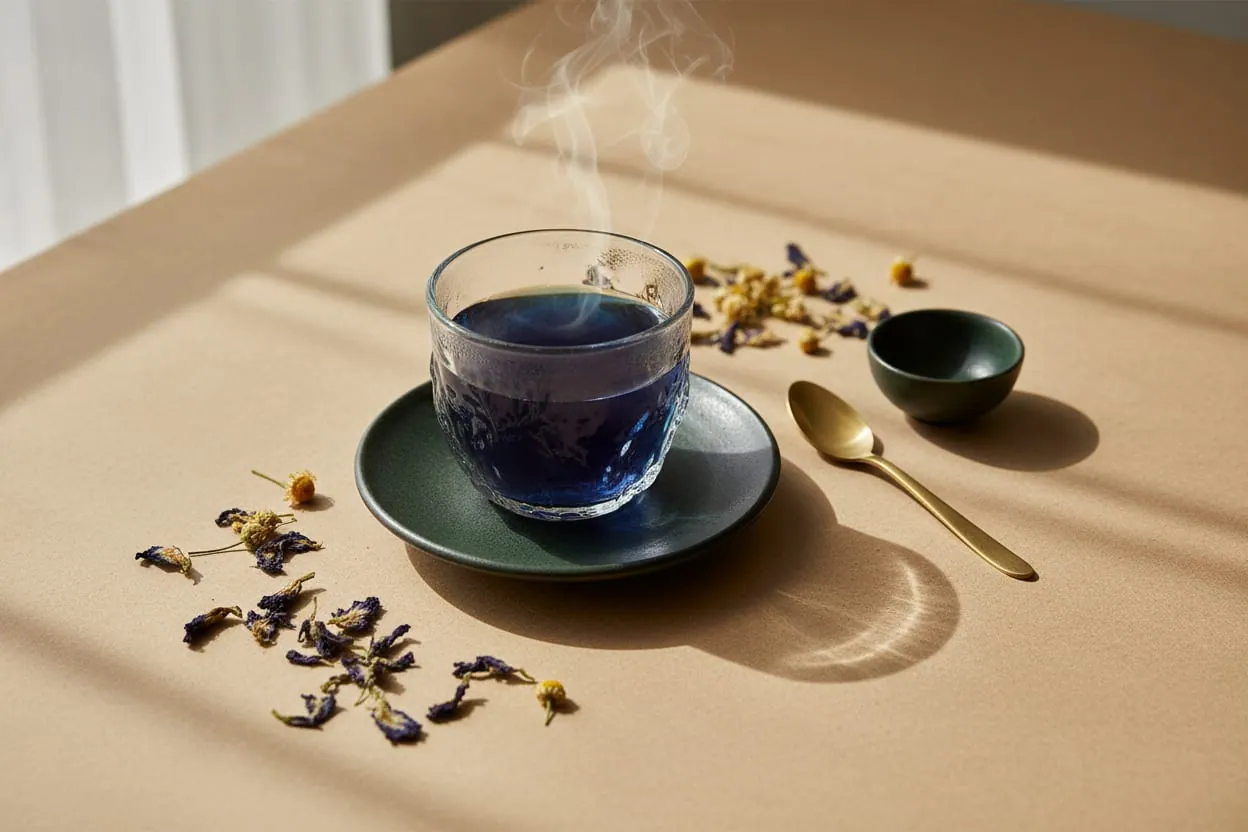
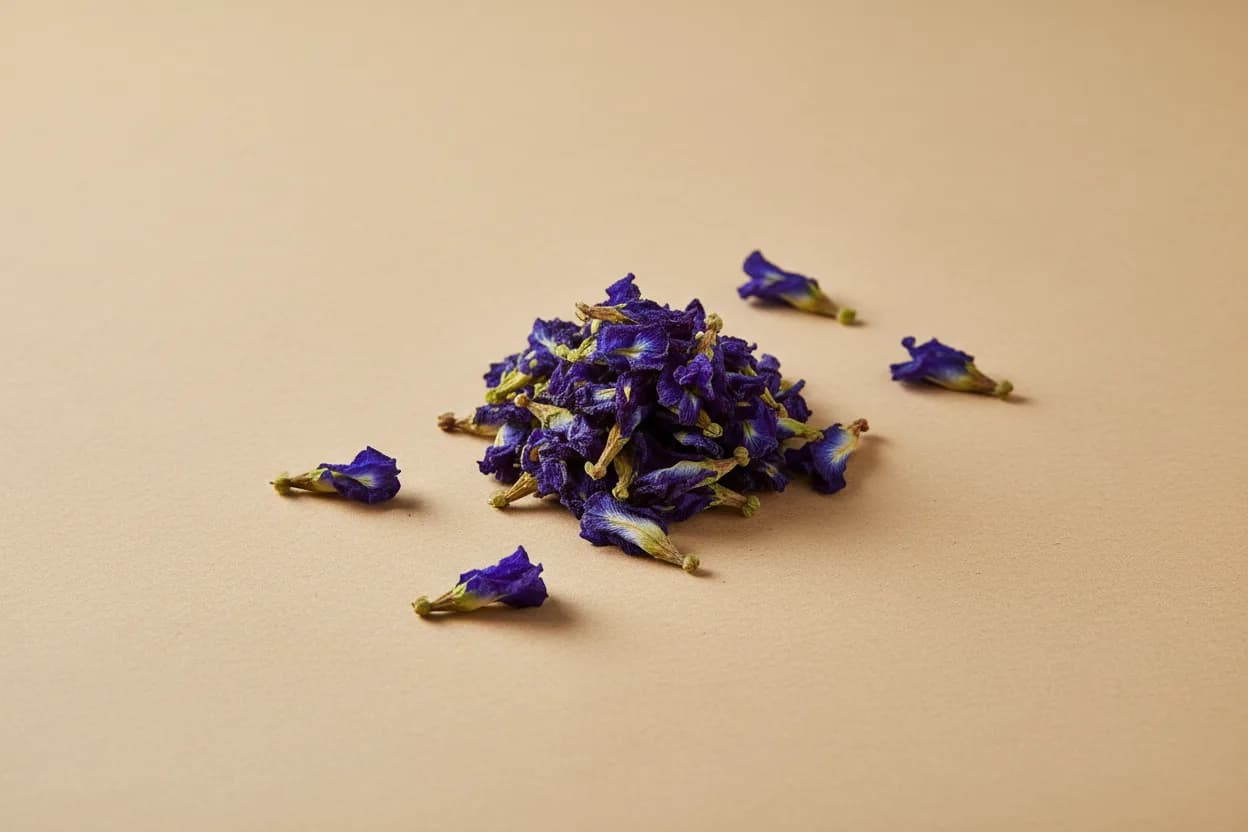
The ternatin pigments of butterfly pea that dye the cup deep indigo and carry a mild antioxidant calm along with the color.
On the table together
THE INDEX, LINKEDThis recipe is part of a set: follow the thread through the blends it uses and what it's served with.