A Watermelon Is a Berry, a Strawberry Is Not: How Fruits Got Their Names
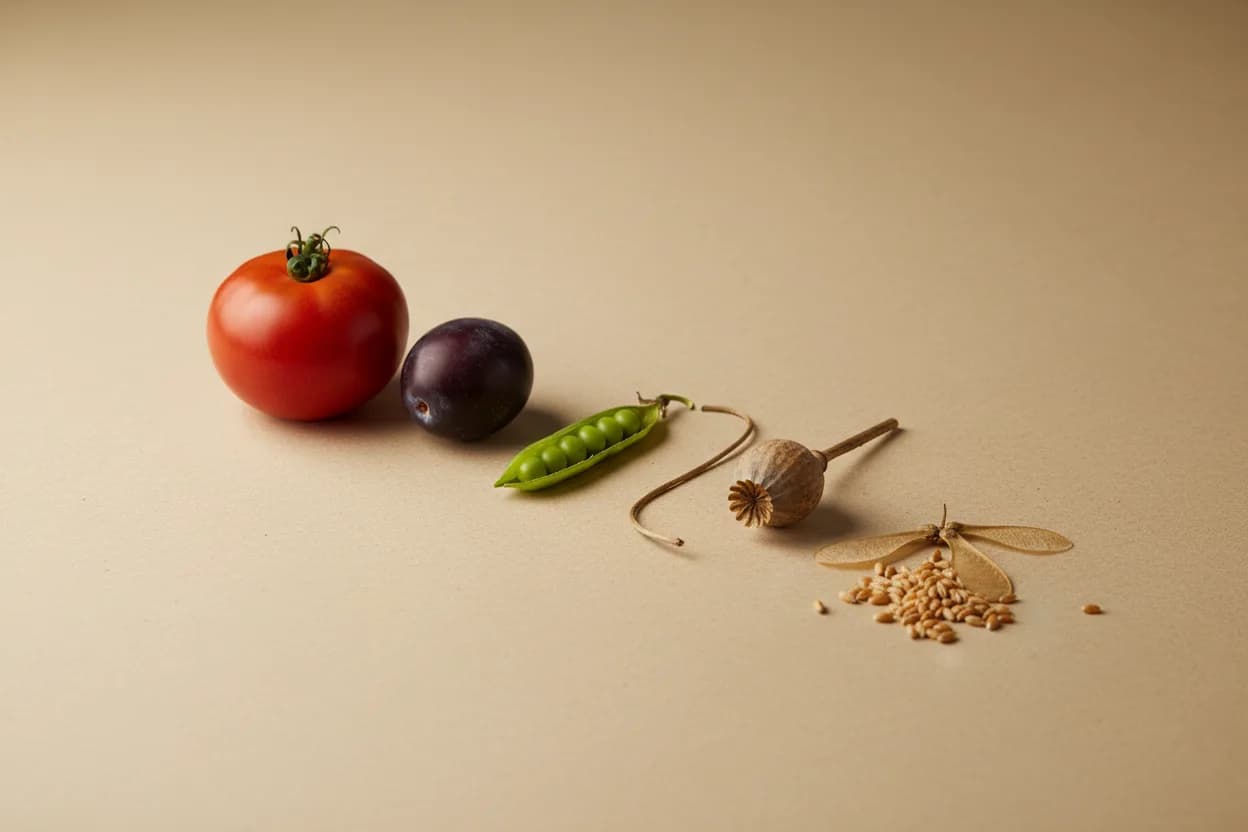
Botany files every fruit on earth by its construction: eight Latin words in 1751, a French brawl in 1813, ninety-five types today. Half of them are hiding in your spice drawer.
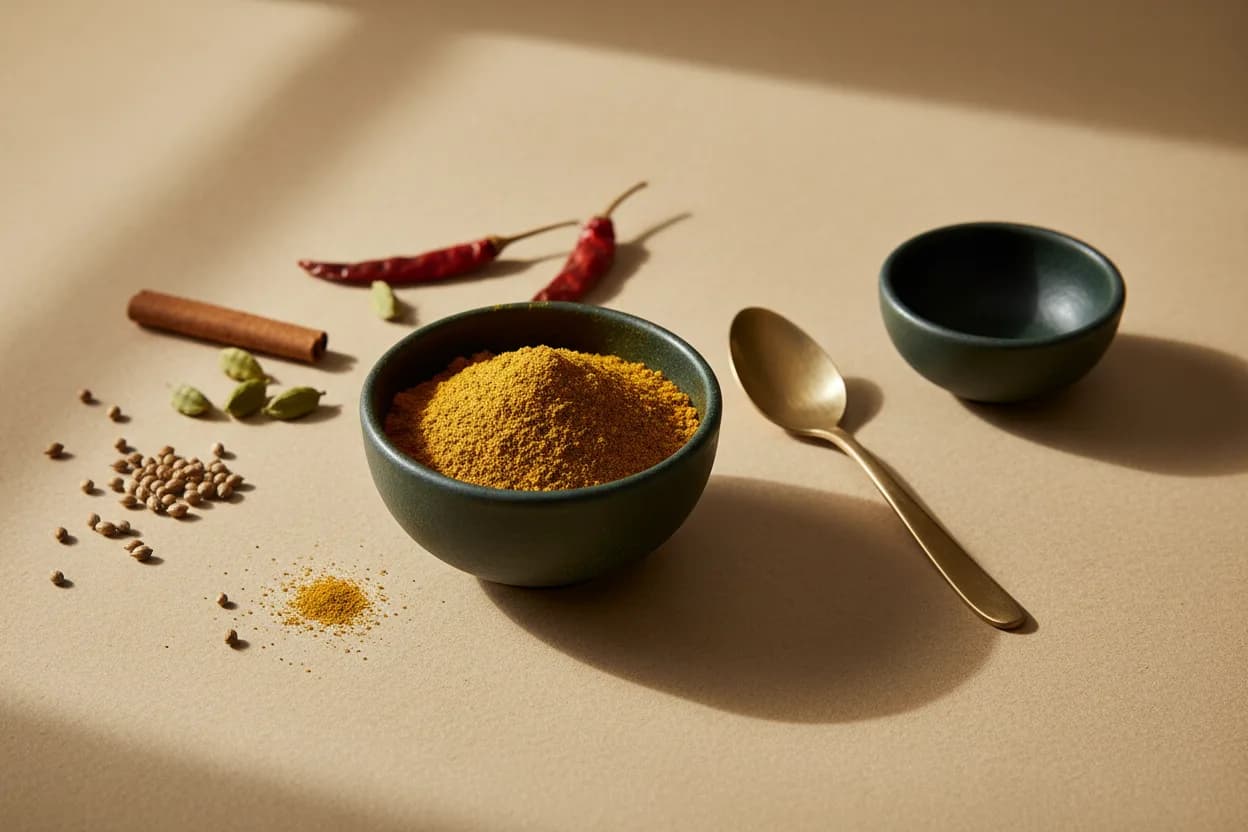
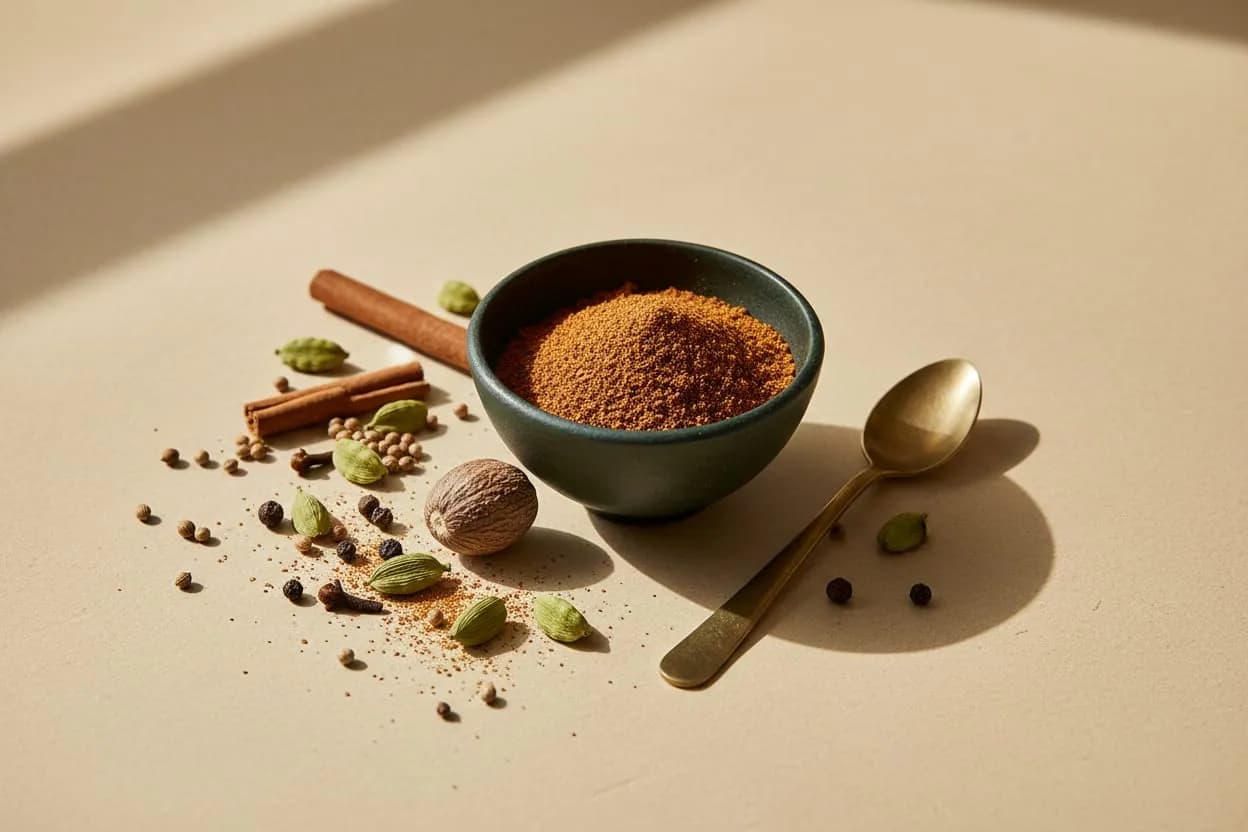
A small set of blends, each documented to a printed profile: exact gram ratios, the toast, the grind, and the aroma compounds that carry it. Cuminaldehyde for cumin's earth, eugenol for the heat of clove, cinnamaldehyde for the sweet edge of cinnamon.
Start with the named blends: a Levantine seven spice, a Japanese curry powder built from toasted whole spices, and the fish and rice mixes that season a Gazan sayadiya.
Fewer blends, each explained. When a mix earns a place here it arrives whole: what goes in, in what ratio, and which molecule you are actually smelling.


Botany files every fruit on earth by its construction: eight Latin words in 1751, a French brawl in 1813, ninety-five types today. Half of them are hiding in your spice drawer.

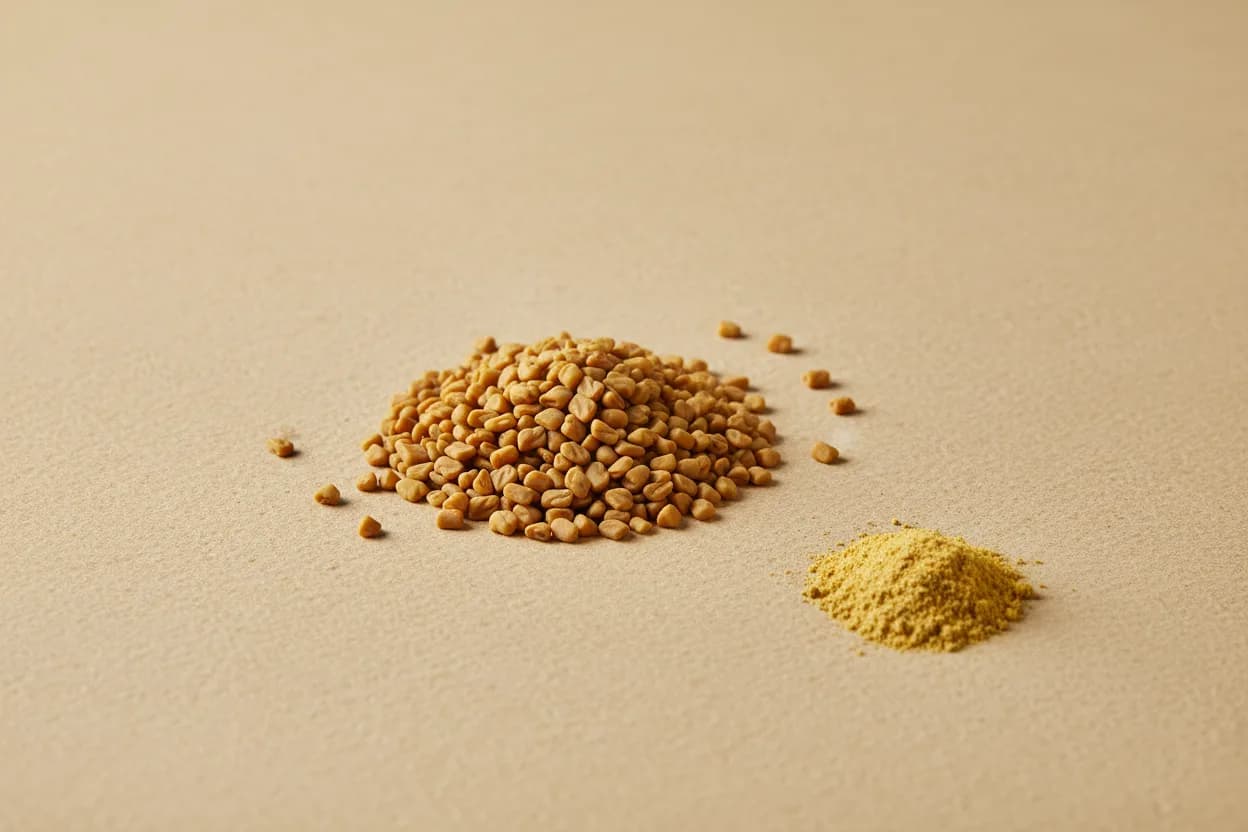
Fenugreek is a bean whose smell changes character with dilution, so the same seed can vanish into a red sauce, coat a cured beef, and turn up in a dessert for new mothers.

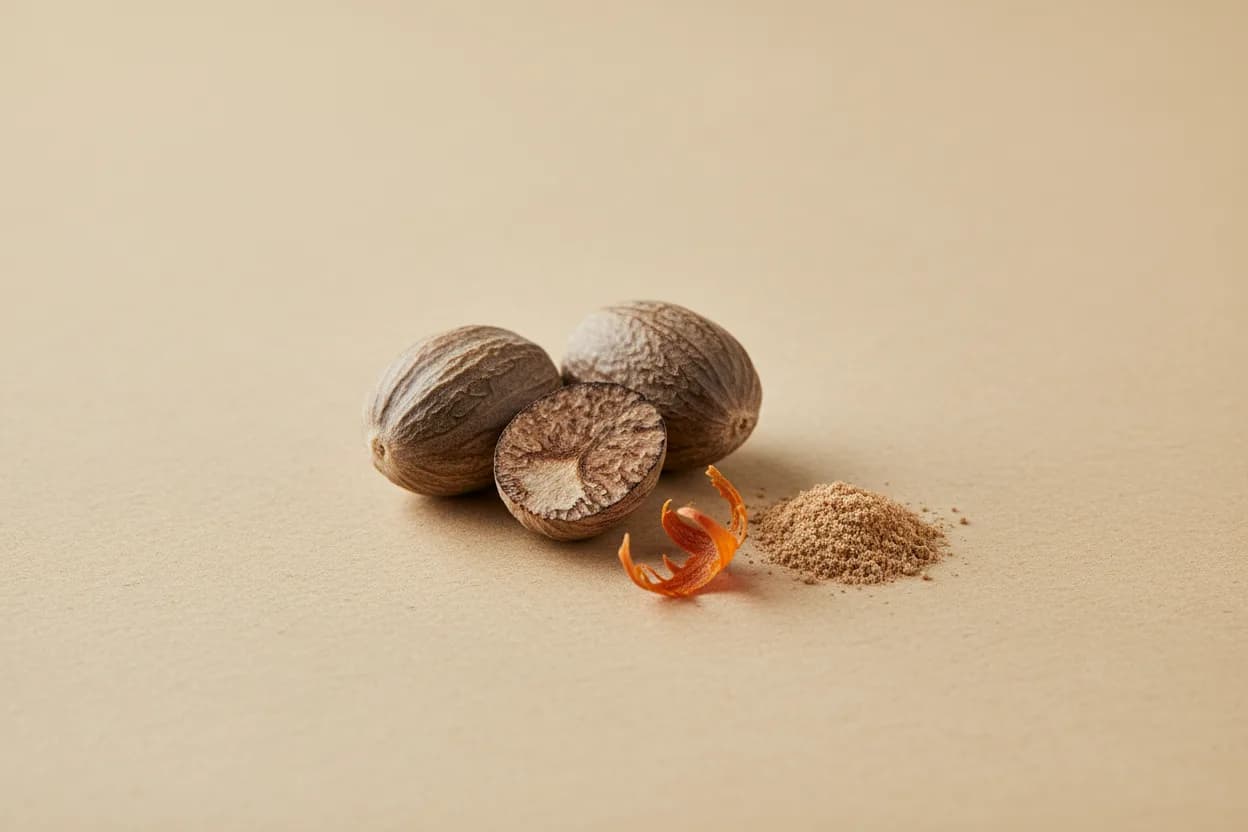
A woman in the Netherlands put about two teaspoons of nutmeg into a dish of asparagus and woke at four in the morning confused, with a heart rate of 120 and a dry mouth that took 36 hours to go. The spice rack sits one to two orders of magnitude below that. The mechanism everybody cites for it has never been demonstrated in a person.