Skip to content
MORTAR & KETTLE
Apothecary of Flavor
THE JOURNAL · CITED NOTES ON FLAVOR

Where flavor comes from

Longer notes on the ingredients in the index: where they grew, how they travelled, and what the chemistry actually says. Every claim carries its source.

49NOTES883SOURCES CITED
TOPIC
49 notes
№49Origins

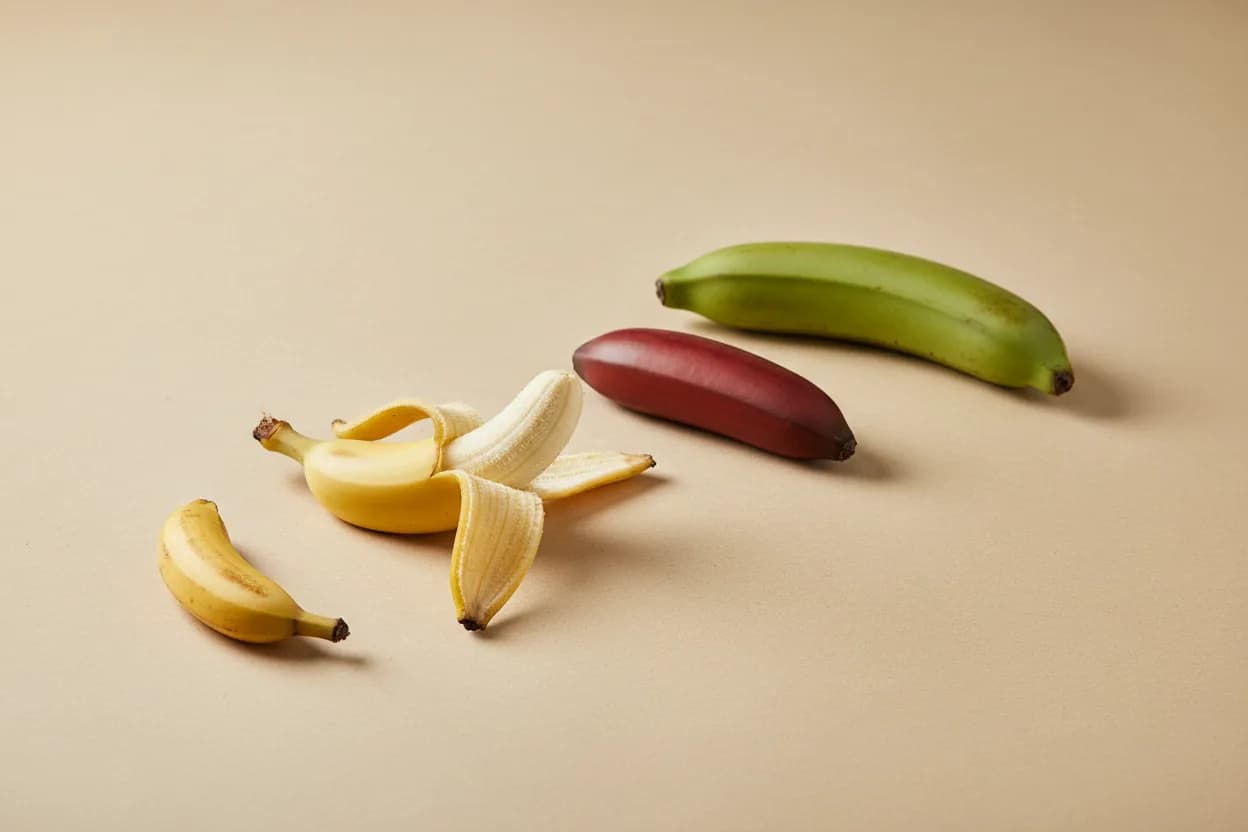
Big Mike, Blue Java, Matooke: a Map of Every Banana Worth Knowing

A wild banana is mostly seeds. Everything edible descends from a few Southeast Asian wild populations, some still unidentified, sorted into an alphabet of genomes. Here is who begat whom, why the export banana has died once already, and what banana candy has to do with it.

13 September 2026·9 min read·71 SOURCES
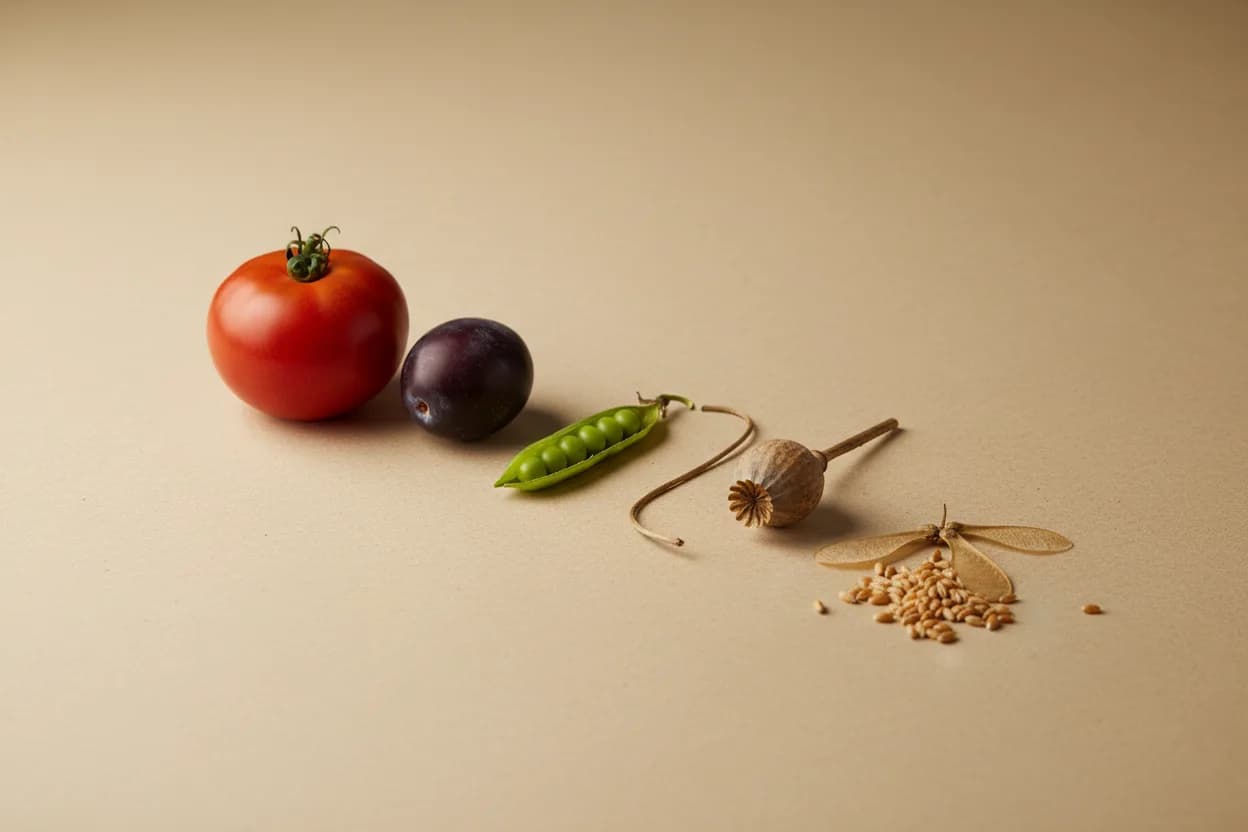
№47Origins

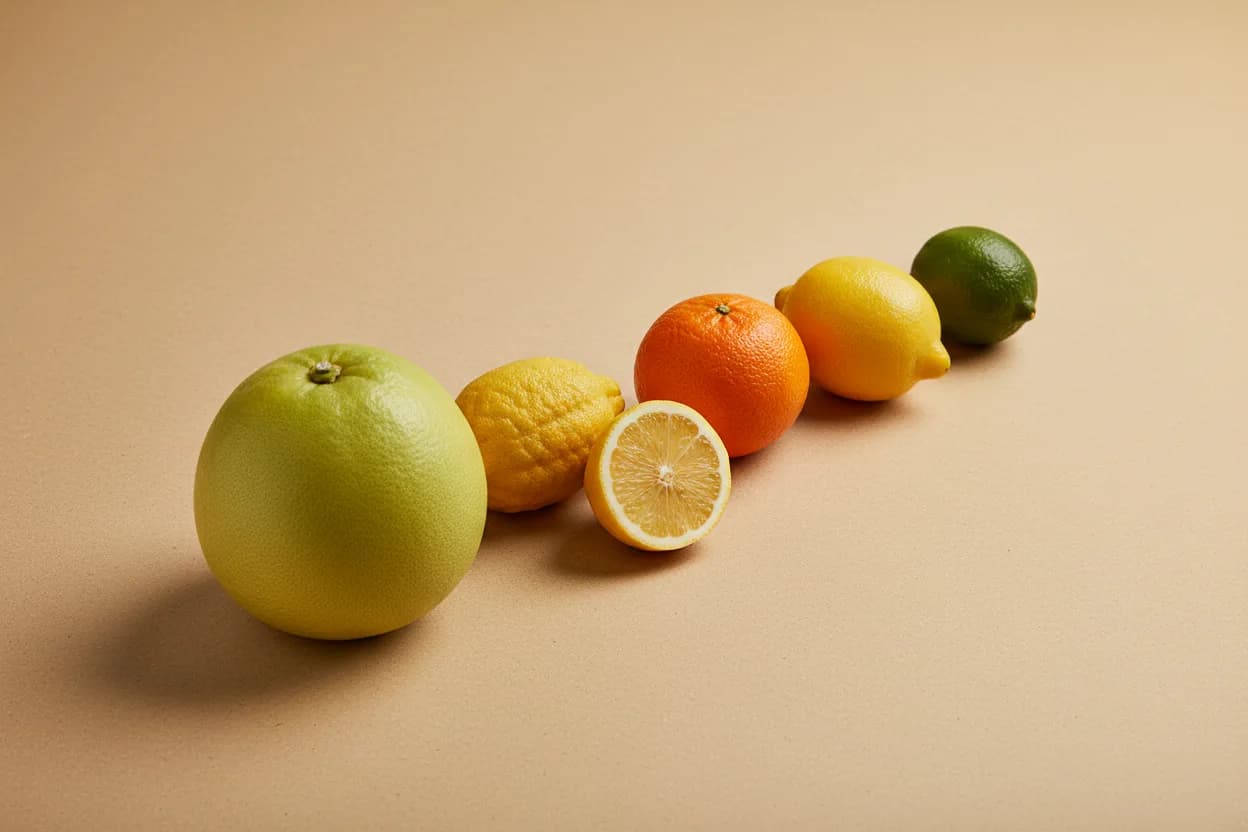
Every lemon and every lime traces back to the same father

Ten wild citrus species exist. Almost nothing you buy is one of them. A map of what crossed with what, with the botanical names, the parentage, and what each hybrid ended up tasting and smelling like.

1 September 2026·14 min read·68 SOURCES
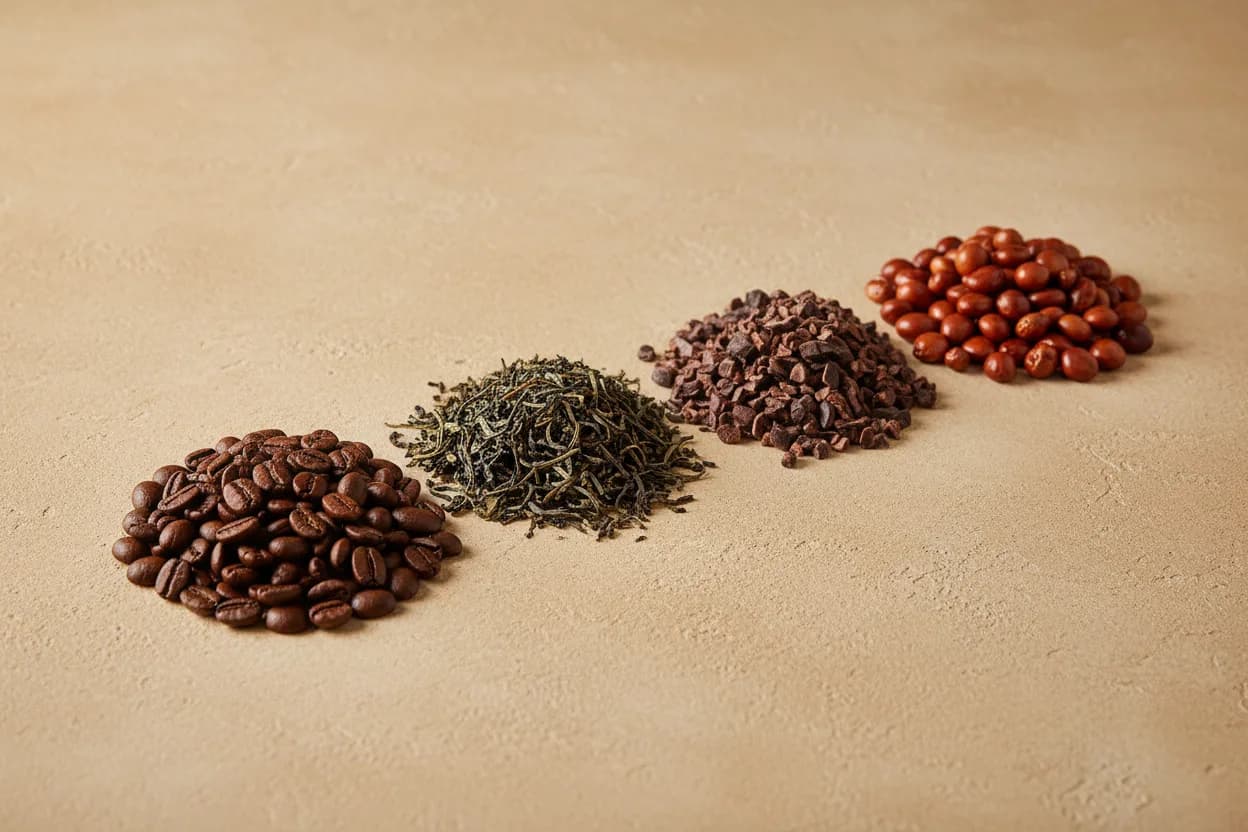
№46Senses

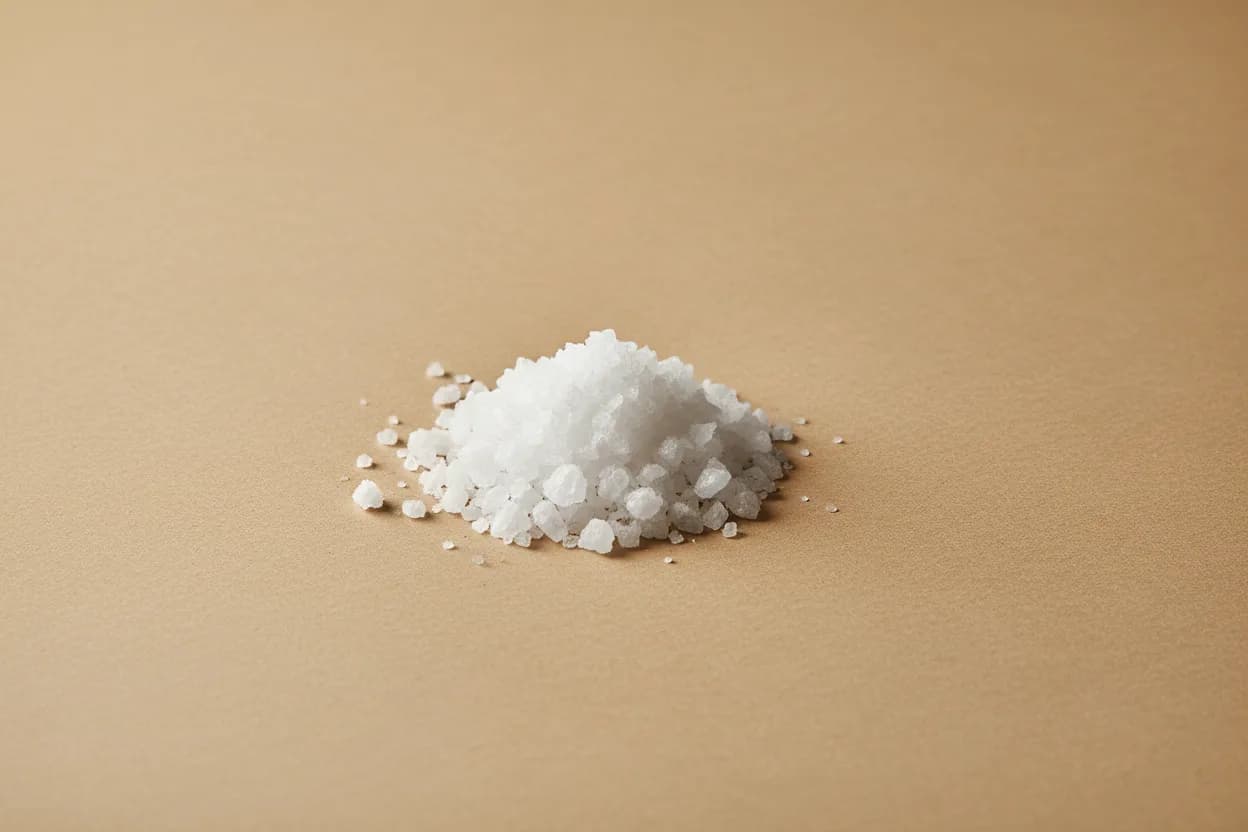
Salt mostly works by taking something away

The reason a pinch of salt improves almost everything is not that it adds saltiness. It removes bitterness, it does so asymmetrically, and the tongue turns out to have two separate ways of tasting salt that disagree with each other.

31 August 2026·9 min read·5 SOURCES
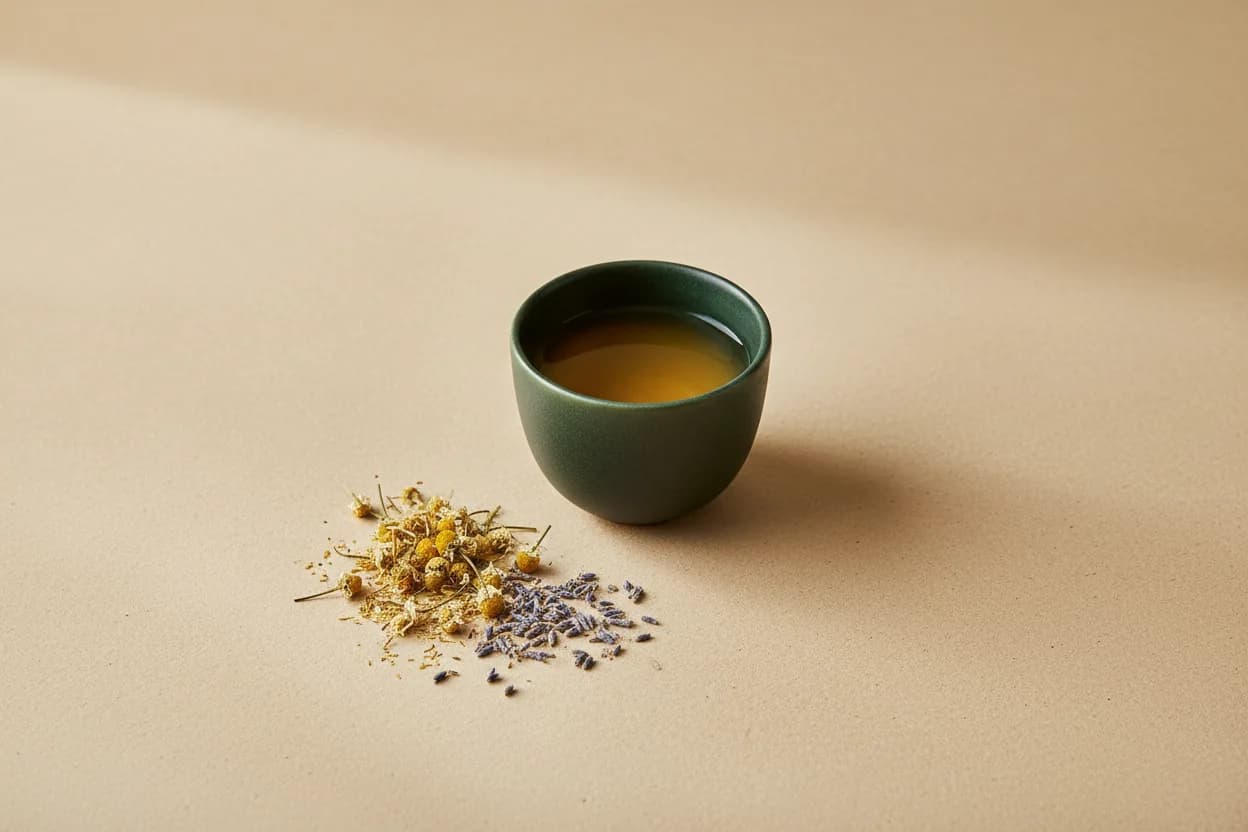
№45Chemistry

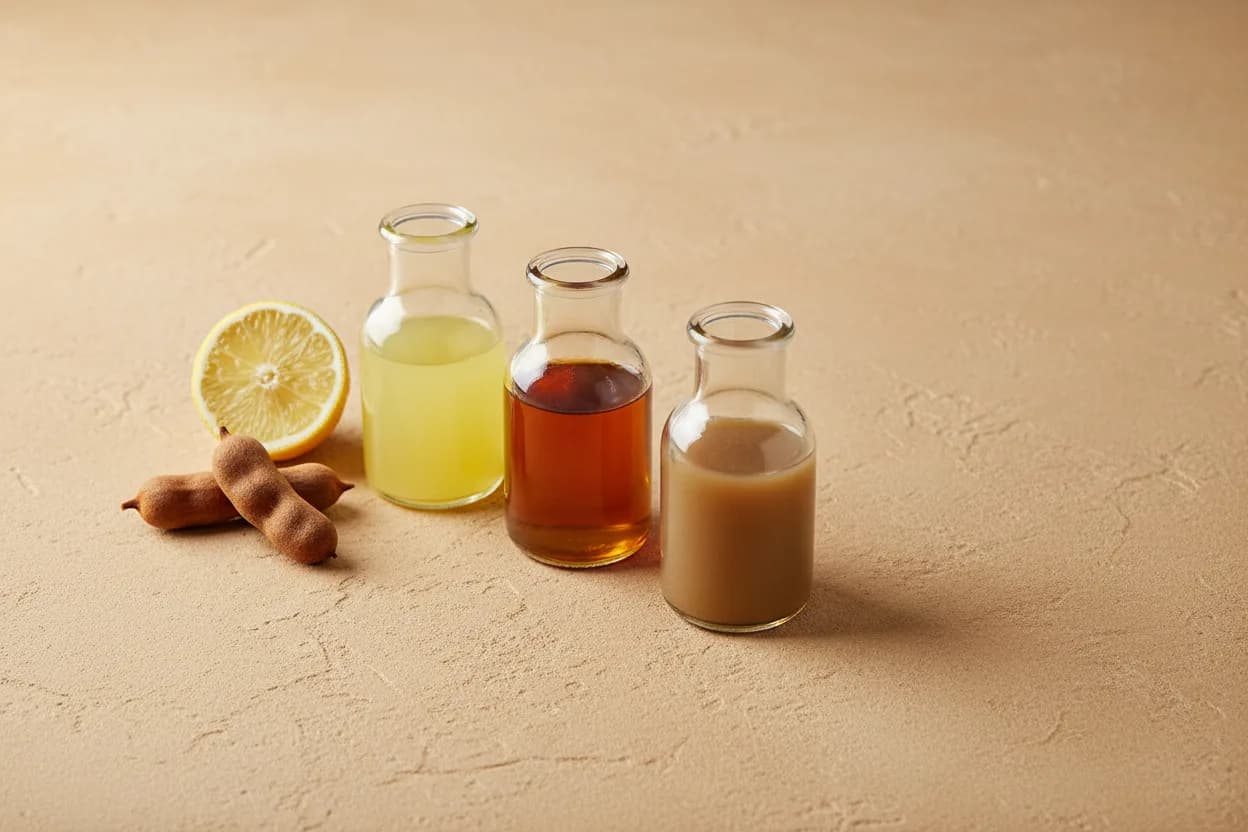
Most of the world's citric acid has never been near a lemon

Every sour thing in the kitchen leads with one particular acid, and the fruit it is named after is usually not where it comes from any more. A look at citric, tartaric, malic and acetic, what each does to flavour, and why vinegar has no legal definition at all.

30 August 2026·10 min read·6 SOURCES
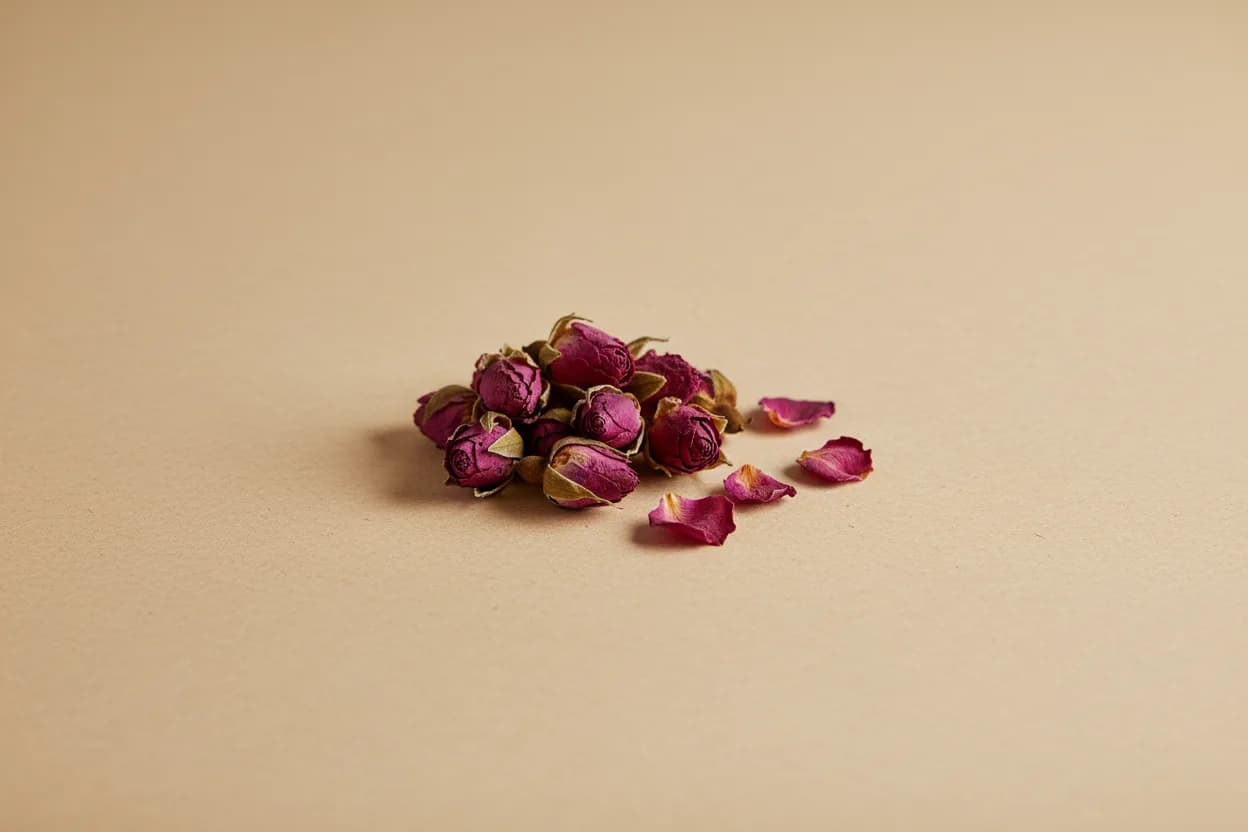
№44Safety

The mustard order has a tropical fruit in it

Papaya seeds taste of radish and cress because papaya is filed with the mustards, and the seed carries as much of the relevant chemistry as the hottest daikon. Roasting them is the part nobody thinks through.

28 August 2026·9 min read·9 SOURCES
№42History

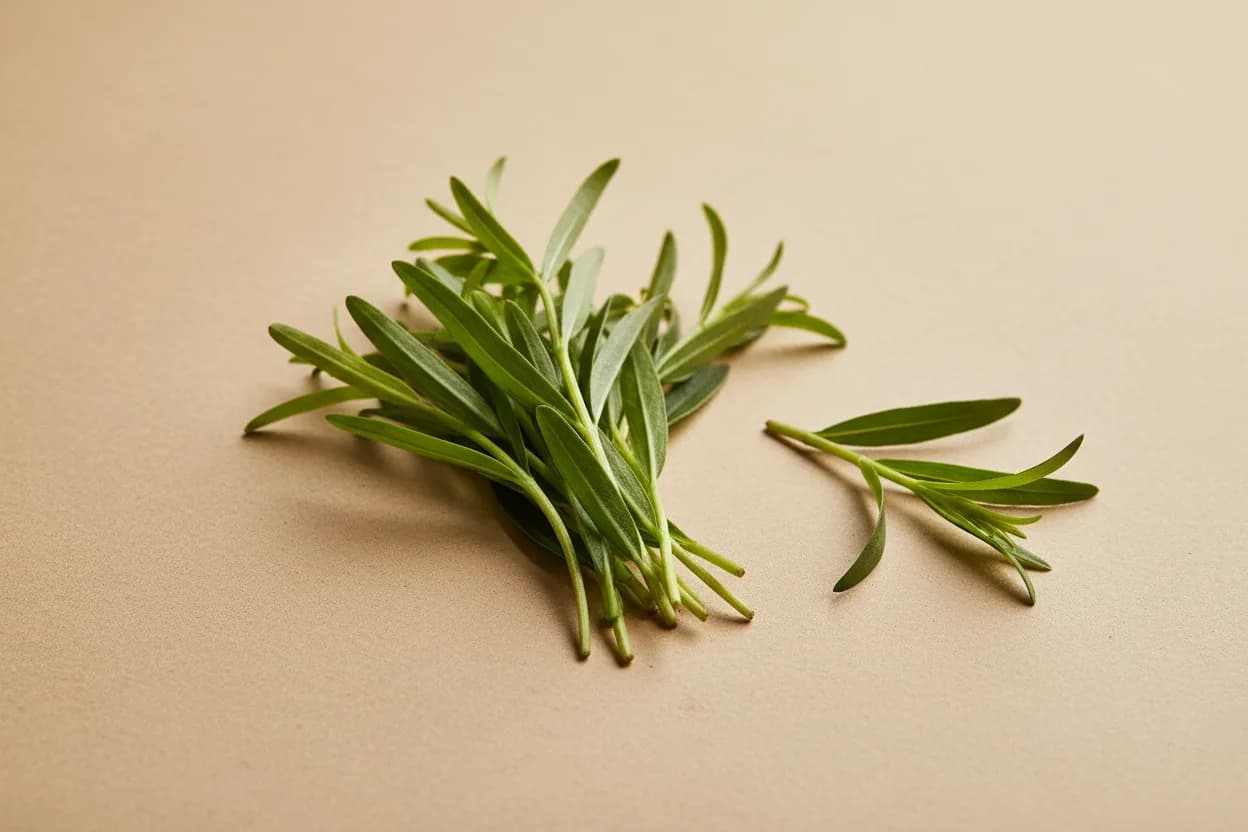
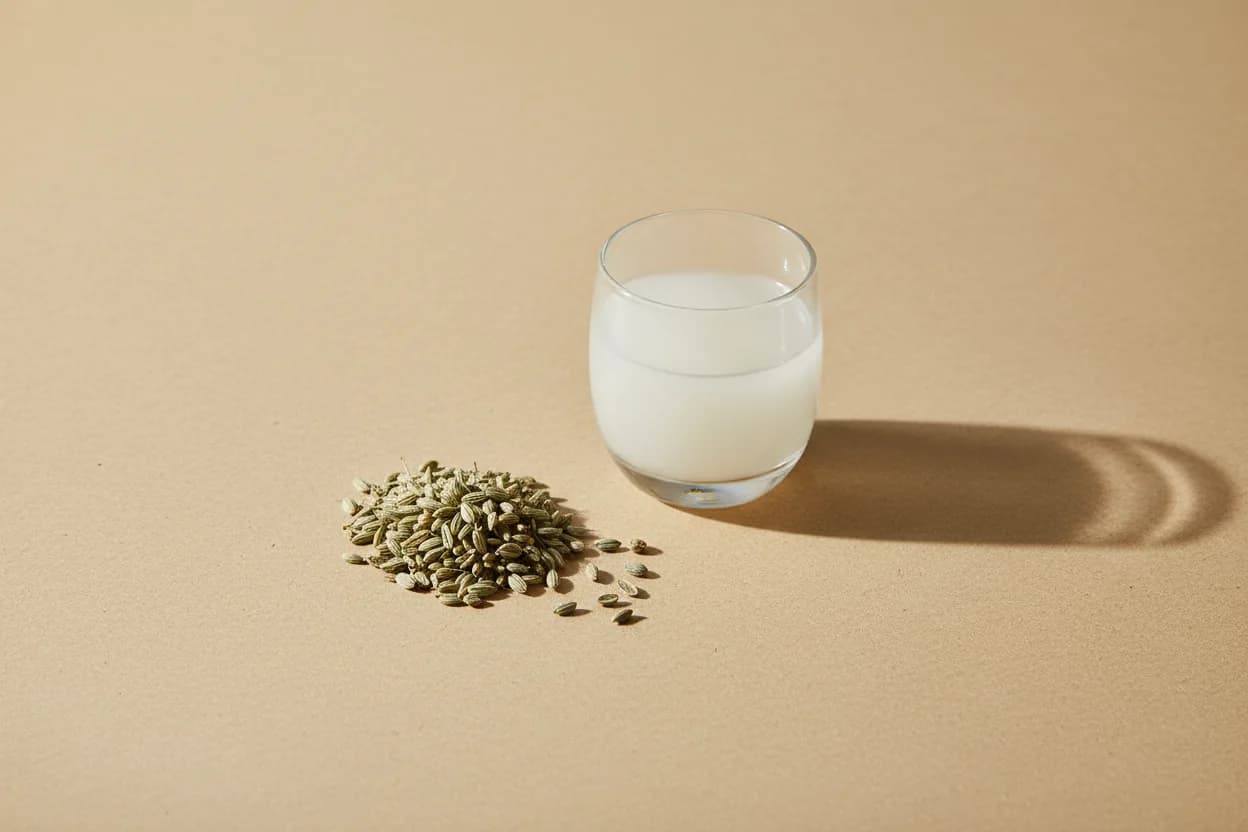
A pot-herb well known to the people of al-Sham

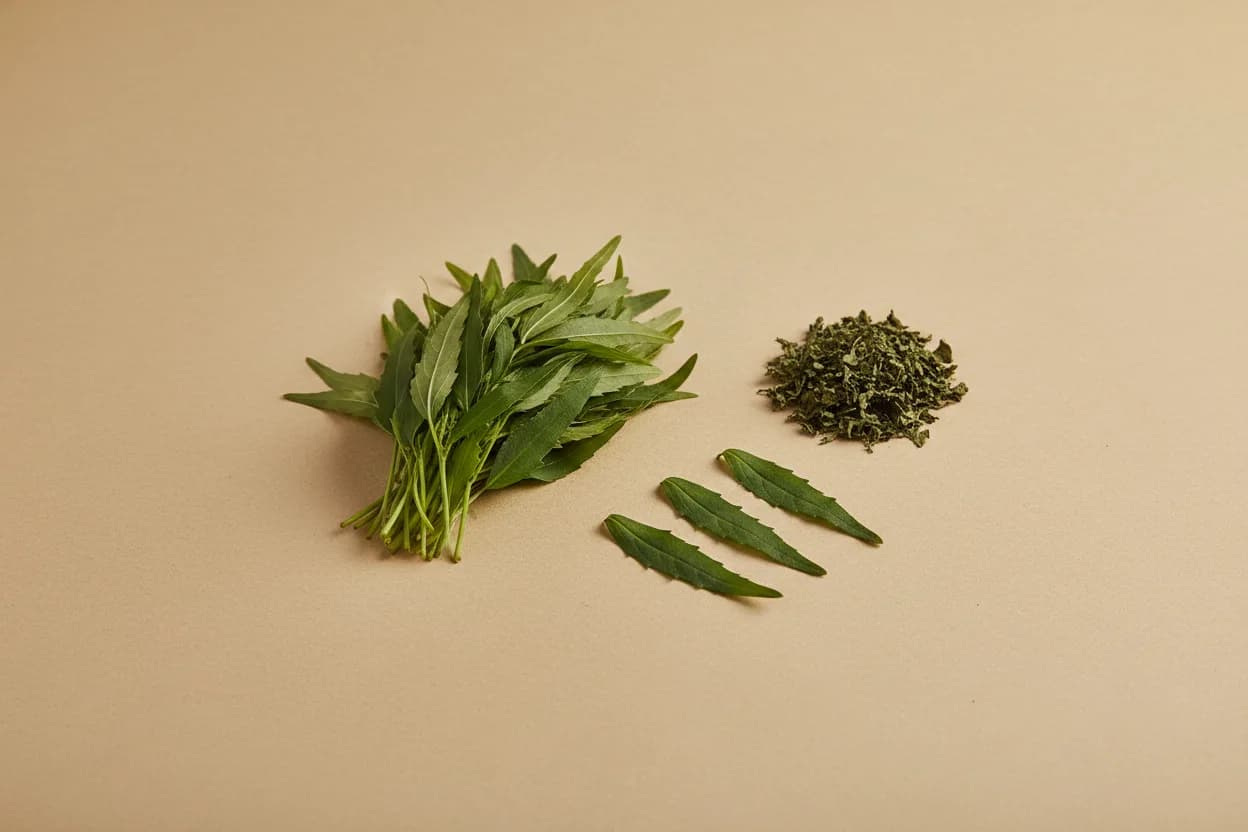
Modern ethnobotanical surveys of Syria and its neighbours record every wormwood in the region except this one. Yet a botanist who died in Damascus in 1248 calls tarragon ordinary there, and a Syrian cookbook from the same century pickles it twice. The herb did not fail to arrive.

17 August 2026·12 min read·17 SOURCES
№41Senses

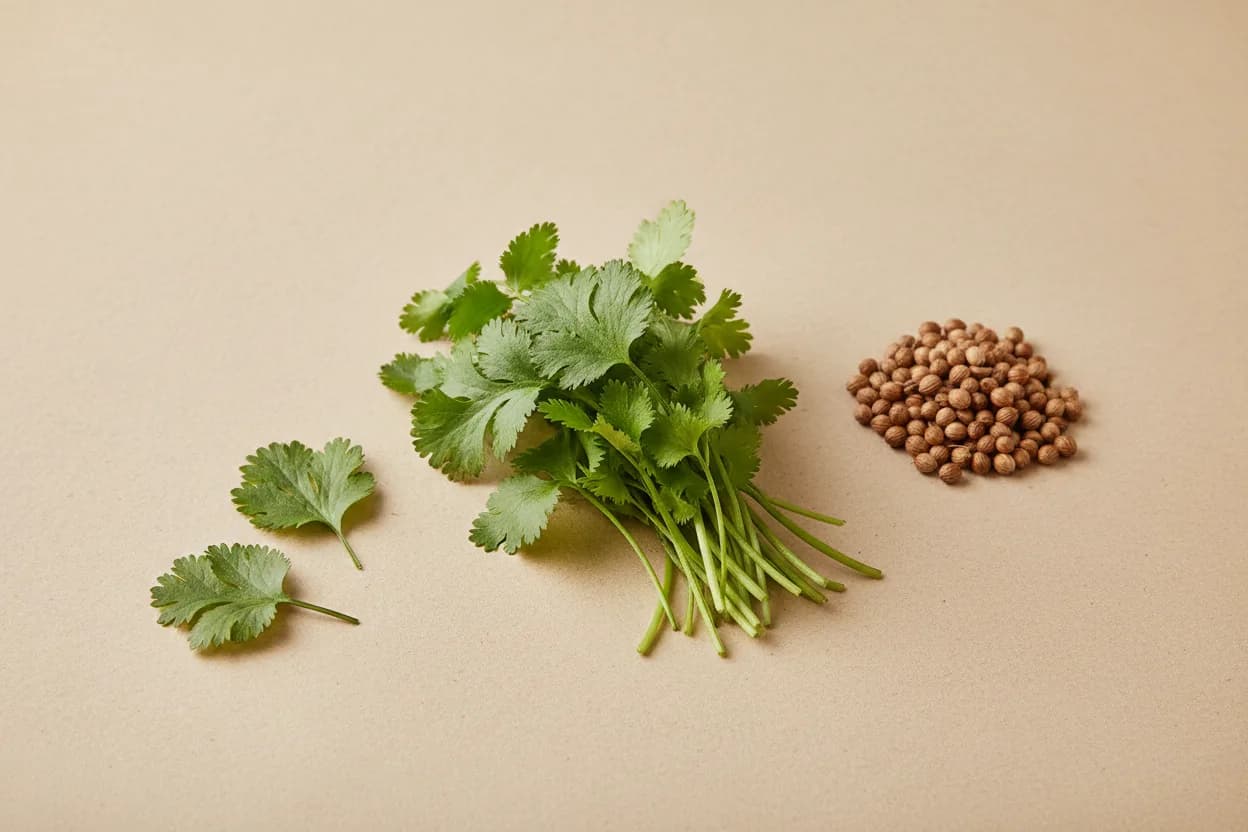
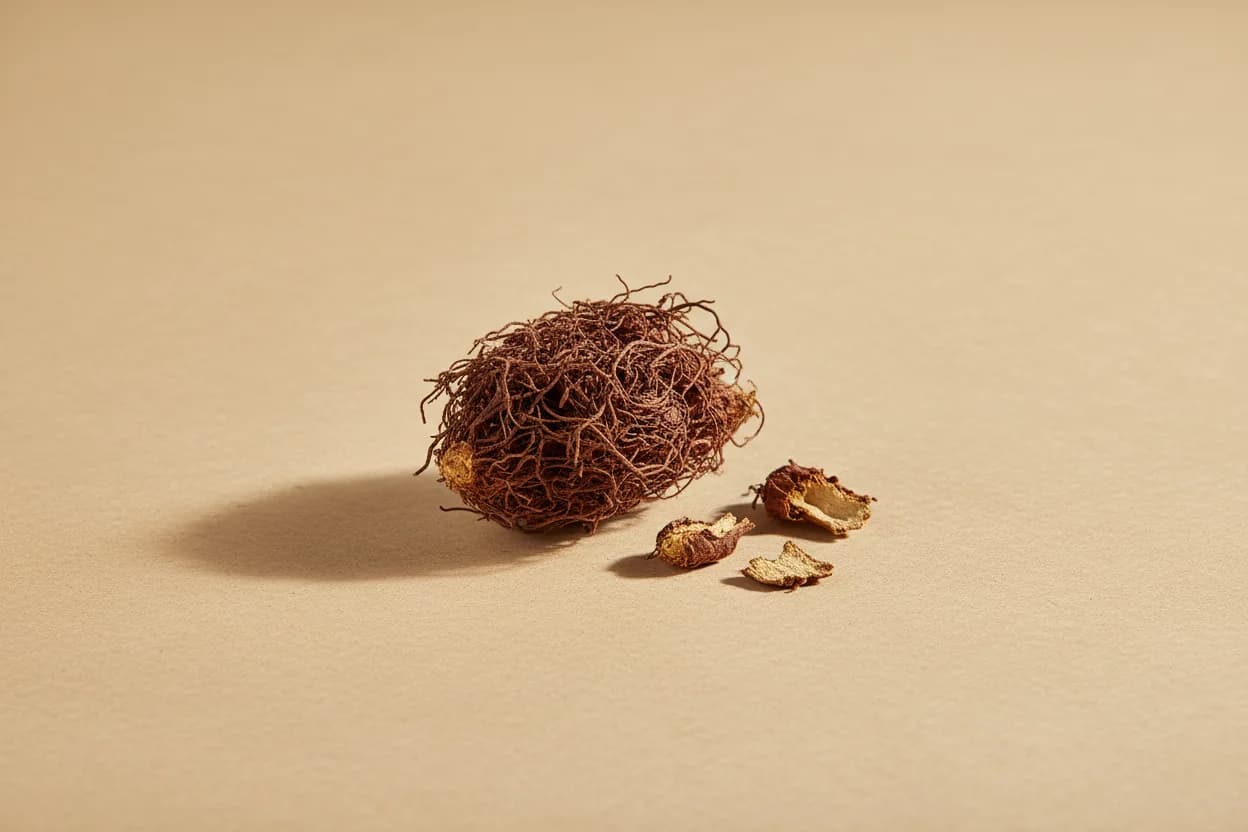
The cilantro gene is eight genes and half a per cent

One variant near a cluster of eight olfactory receptors shifts the odds that you call cilantro soapy. It explains about half a per cent of the variance, no primary study has retested it in fourteen years, and the paper everyone cites reports that allele frequency does not explain why some populations taste soap and others do not.

16 August 2026·12 min read·12 SOURCES
№40Origins

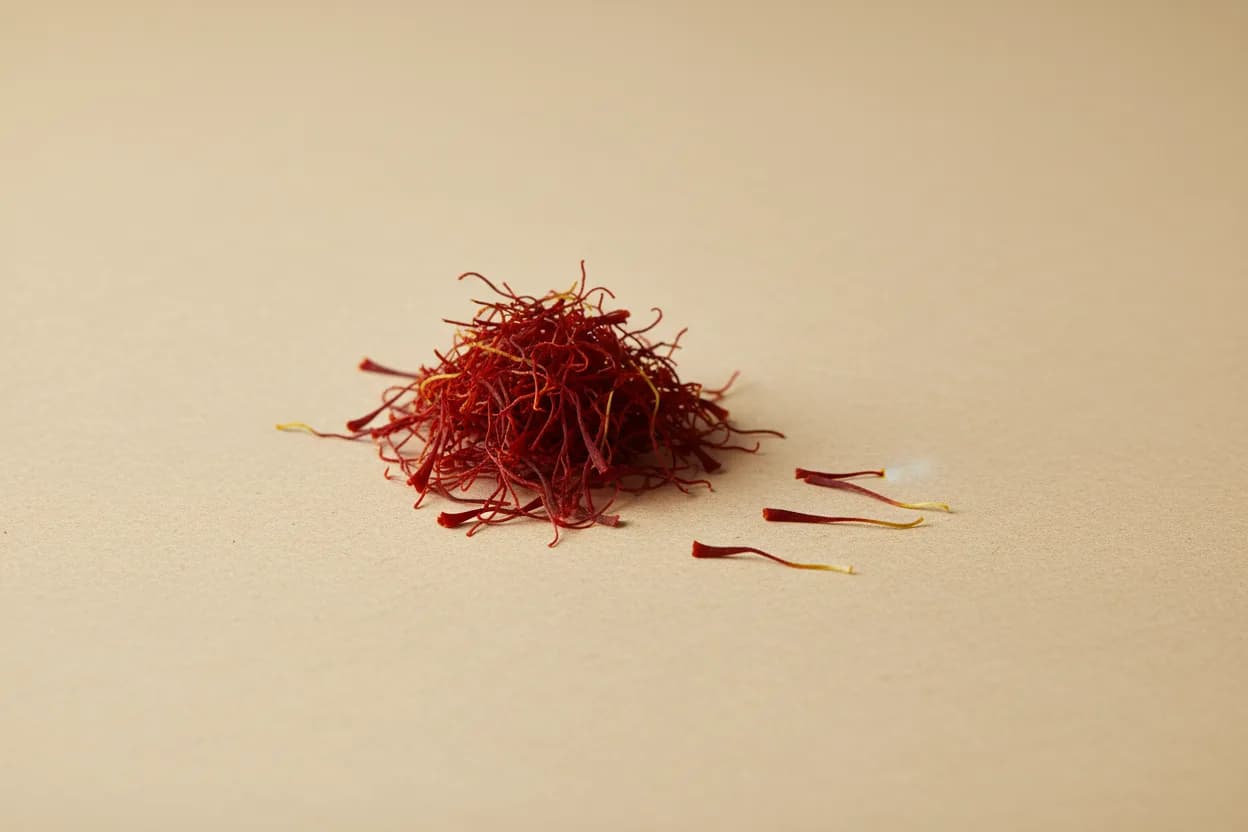
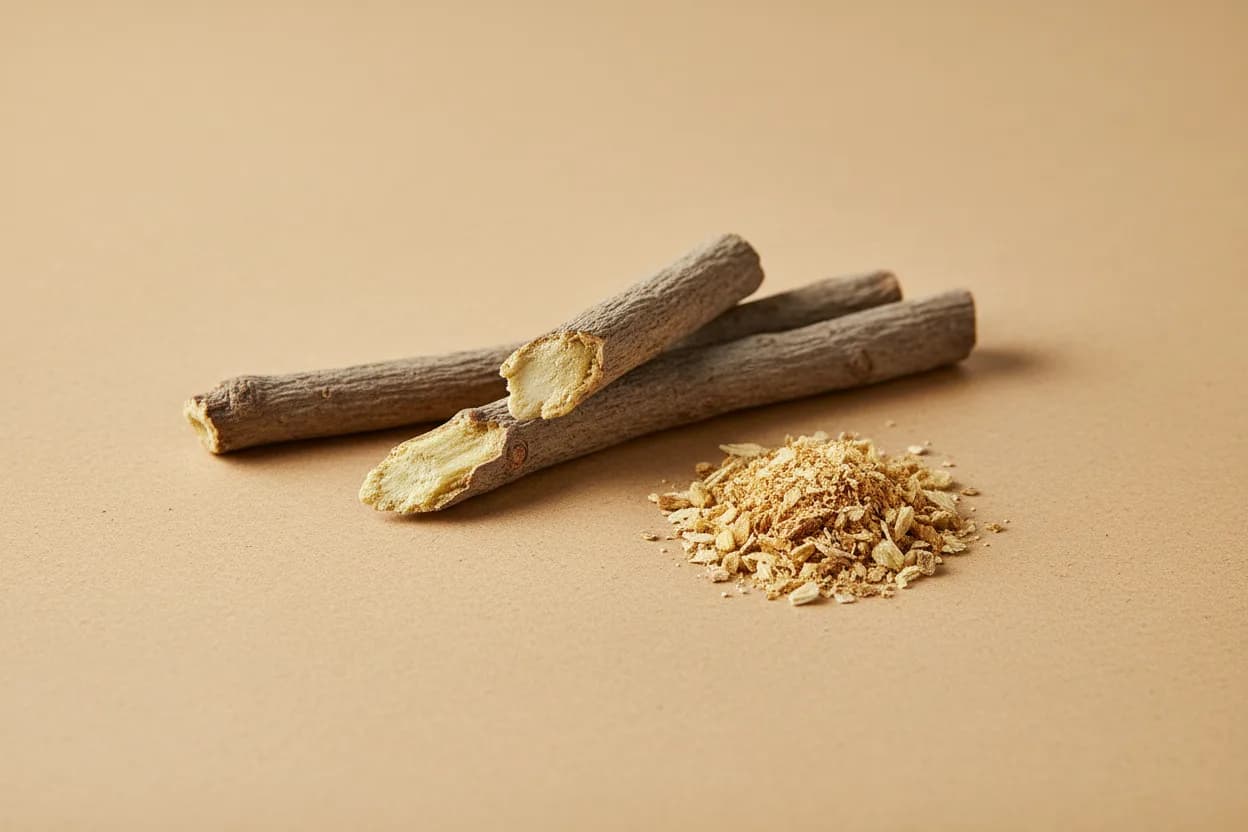
Saffron has not set seed since the Bronze Age

The spice everyone calls Persian was domesticated in Attica, and it happened once. Genome-wide sequencing puts 99.3 per cent of saffron's alleles inside a single Greek wild crocus, and forty-three accessions from eleven countries return not one polymorphic band.

16 August 2026·11 min read·16 SOURCES
№39Chemistry

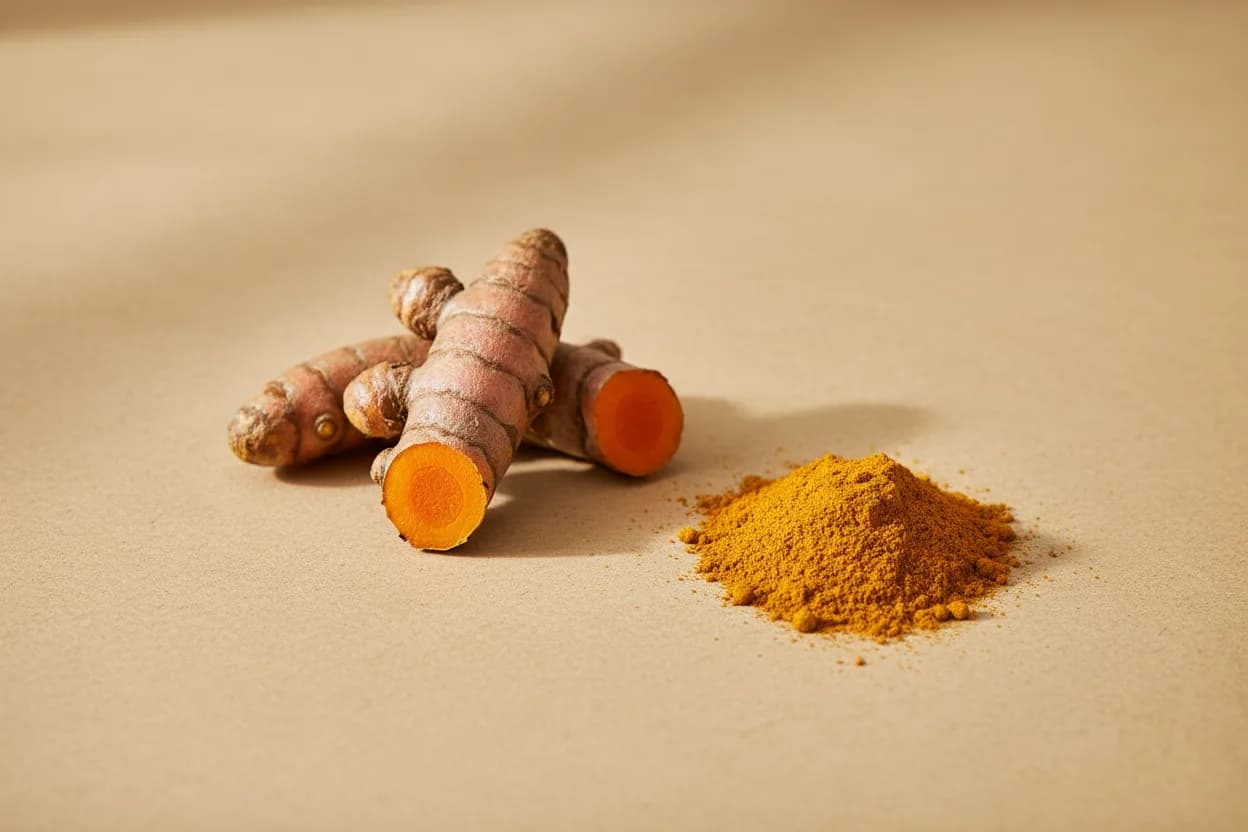
The flour does not contain any gluten

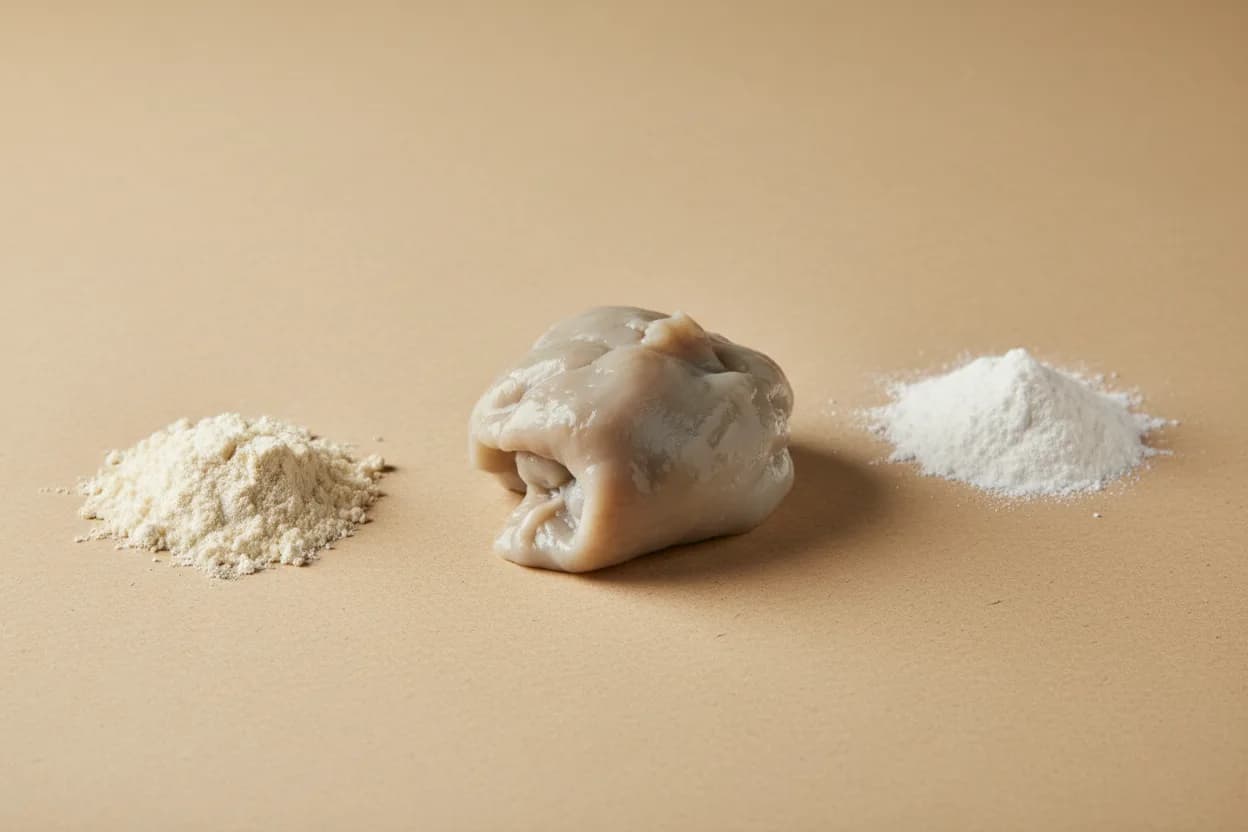
Gliadin and glutenin sit in the wheat endosperm as storage protein. Gluten is what water and work make out of them, and five minutes of mixing drives the polymer to half the level sitting in the undisturbed flour. The proline that builds the network is the same proline no human protease can cut.

15 August 2026·18 min read·25 SOURCES
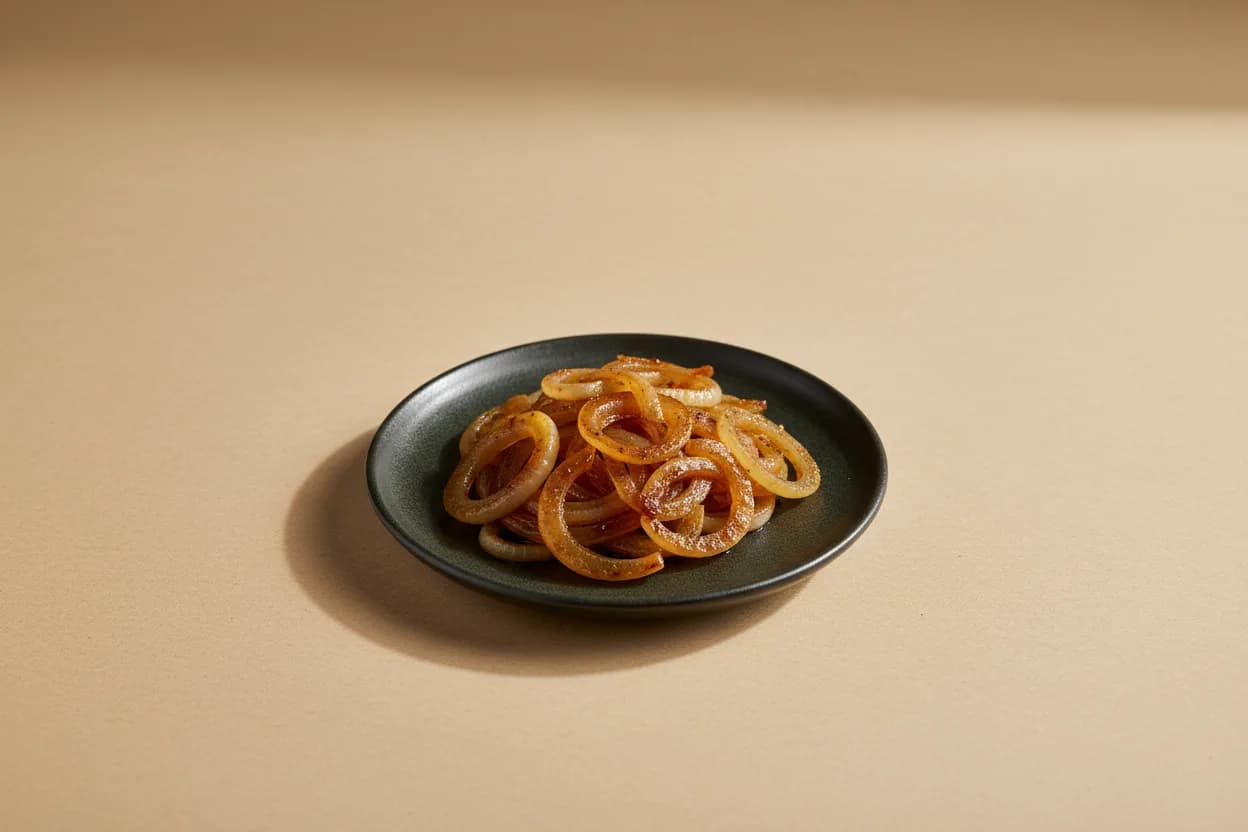
№38Senses

A third of people taste something when you warm the tongue

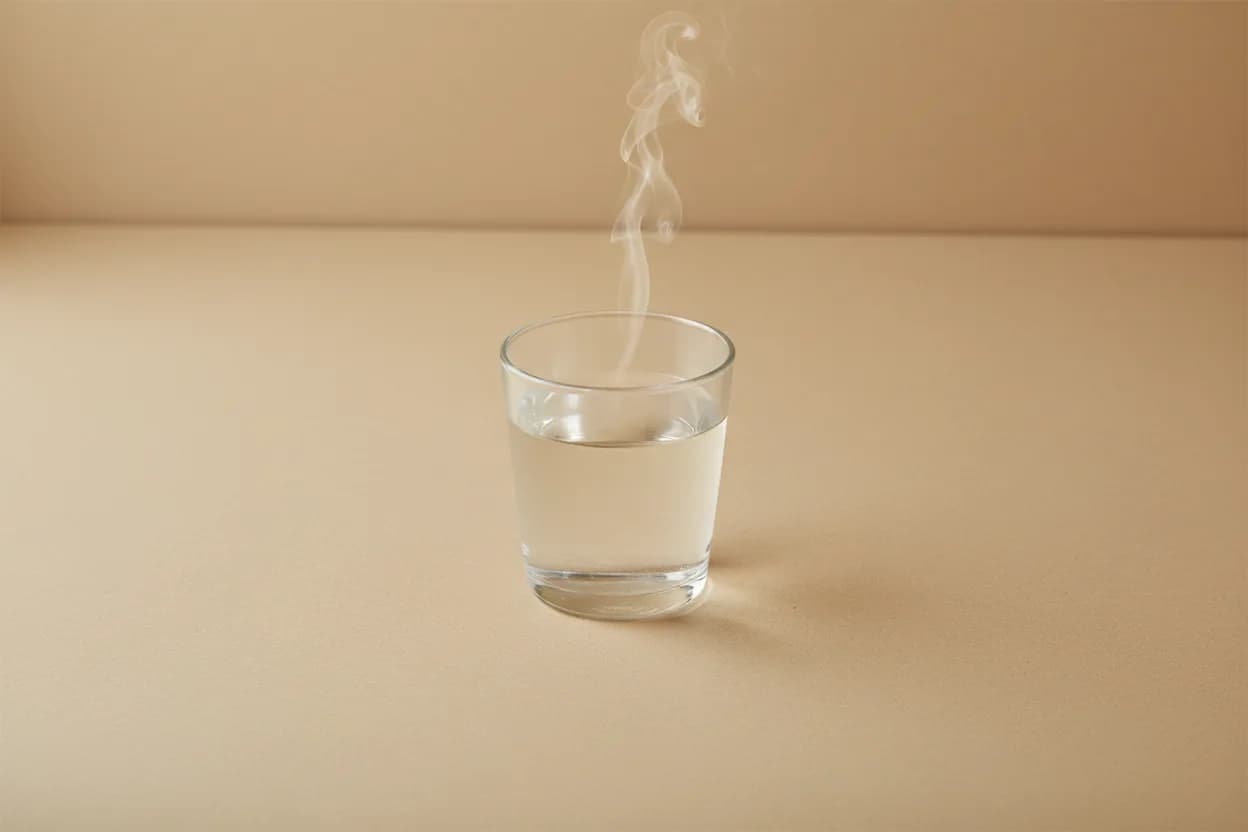
Put nothing in the mouth. Warm the tip of the tongue from 20 degrees to 35 and a good fraction of people report sweetness, from plain deionised water. In 2020 the effect was switched off with a compound that blocks the sweet receptor, which means temperature is opening the same door sugar opens.

14 August 2026·12 min read·14 SOURCES