Skip to content
MORTAR & KETTLE
Apothecary of Flavor
HERBAL TEA · №016

Jasmine & Lavender

a delicate floral steep

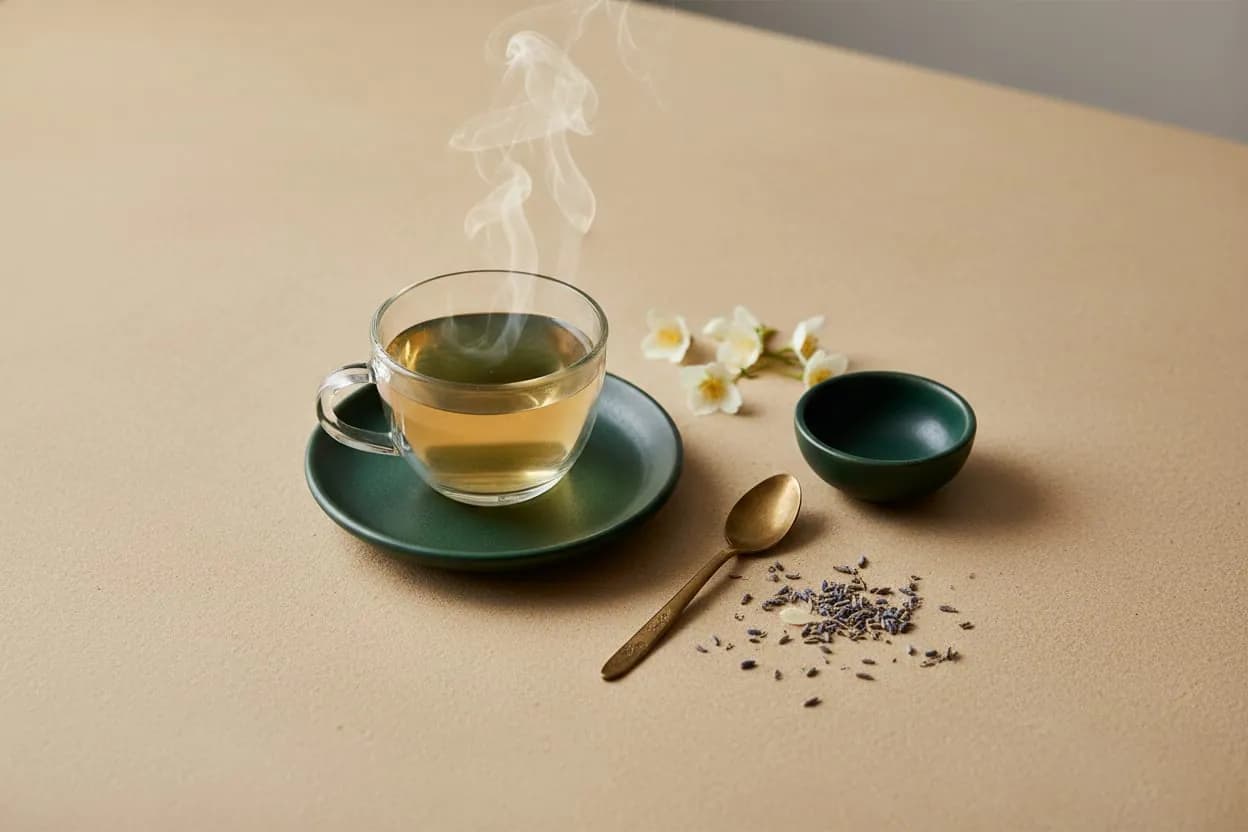
A pale, perfumed steep where jasmine's honeyed lift meets the cool hush of lavender. Floral and softly sweet, it settles the nerves while keeping the mind clear and quietly attentive.

Easy4 minModerate
FloralSweetCalmingFocus
Jasmine & Lavender · finished

Method

Check off each step as you go. Your progress is saved. Amounts below already match your batch size.

Warm the water to about 80°C, as anything hotter scorches the jasmine.
250 mlfiltered water
80°C
Steep the jasmine pearls first so they can unfurl.
3 pearlsjasmine pearls
2.5 min
Add the lavender, steep briefly, then strain.
0.03 gdried lavender
1–2 min
A good steep is chemistry with the kettle on. Mind the minutes.
THE MORTAR & KETTLE METHOD

The chemistry

SKELETAL STRUCTURES

3 compounds carry this recipe. Here is what each one does and, where we have it, what it actually looks like.

C₉H₁₀O₂
benzyl acetate
C₉H₁₀O₂

The signature perfume of jasmine pearls; it gives this tea its heady, honeyed floral top note and much of its sweetness.

FloralSweet
C₁₀H₁₈O
linalool
C₁₀H₁₈O

Shared by both jasmine and lavender, it braids their scents together and eases the nervous system into a calm, settled state.

FloralCalming
C₁₂H₂₀O₂
linalyl acetate
C₁₂H₂₀O₂

Lavender's cool, fruity-floral heart; it smooths the edge off the jasmine and lends the steep its clear, quietly focused finish.

CalmingFocus

On the table together

THE INDEX, LINKED

This recipe is part of a set: follow the thread through the blends it uses and what it's served with.

FROM THE JOURNAL

The reading behind this recipe

What to boil, what to steep, and the rule that was never tested
№30Chemistry

What to boil, what to steep, and the rule that was never tested

Roots and barks get boiled, leaves and flowers get steeped. Every herbal tradition says so and the European Medicines Agency prints it as guidance. I went looking for the measurement underneath it and could not find one. Here is what the four methods actually do, and where the received wisdom holds.

11 August 2026·14 min read·19 SOURCES
The film on the tea was never limescale
№27Chemistry

The film on the tea was never limescale

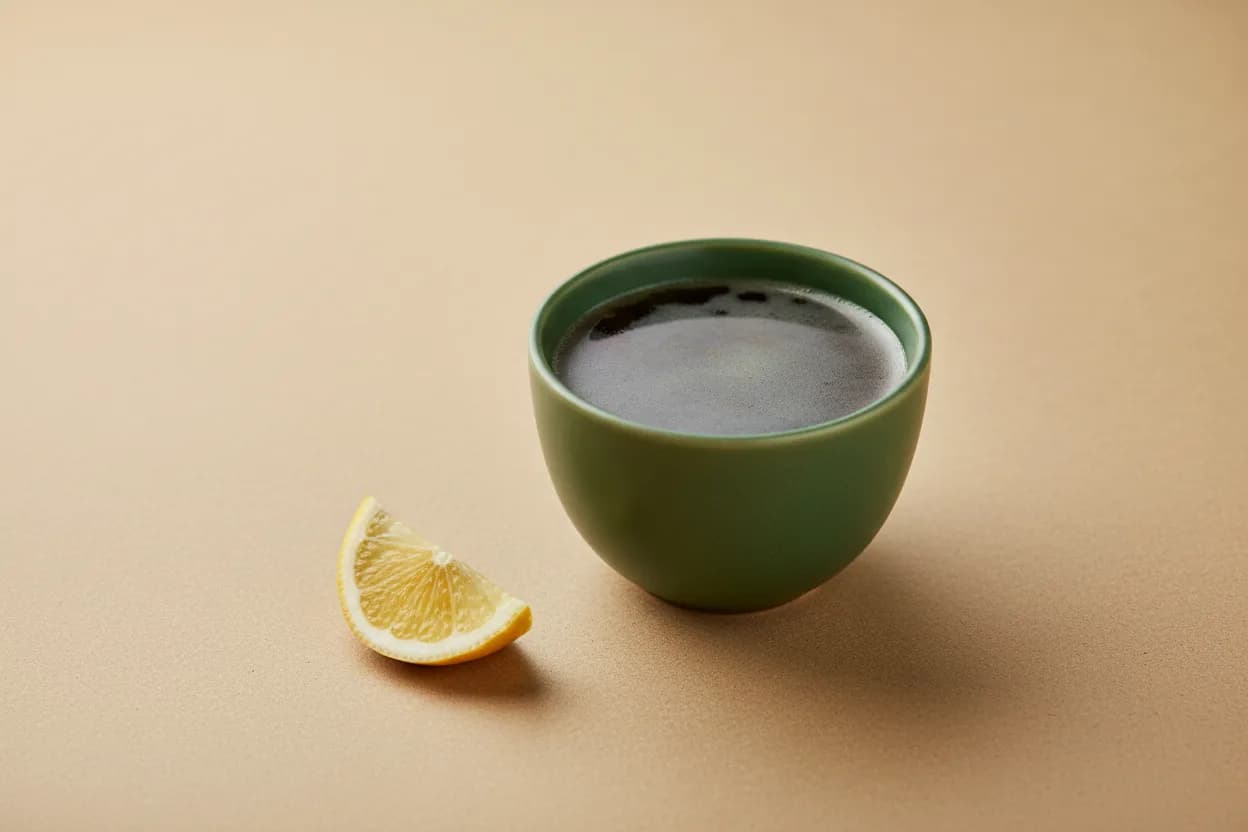
Water is the most-used ingredient in this index, in twenty-nine of thirty-nine recipes and in every single tea, and it is the one nobody writes down. In the 1990s a chemist at Imperial College spent four papers on the film it leaves on the surface of a cup, and almost everything people assume about that film turned out to be wrong.

9 August 2026·7 min read·13 SOURCES