Skip to content
MORTAR & KETTLE
Apothecary of Flavor
, home
HERBAL TEA · №005

Chamomile, Lavender & Star Anise

a soft evening steep

A hushed, honeyed steep where chamomile's apple-soft calm meets lavender's floral drift, threaded with the sweet licorice warmth of star anise. It is built for the hour the day loosens its grip, a cup that quiets the nerves and coaxes the body toward sleep.

Easy6 minForgiving
FloralSweetCalmingSleep
Chamomile, Lavender & Star Anise · finished

Method

Check off each step as you go. Your progress is saved. Amounts below already match your batch size.

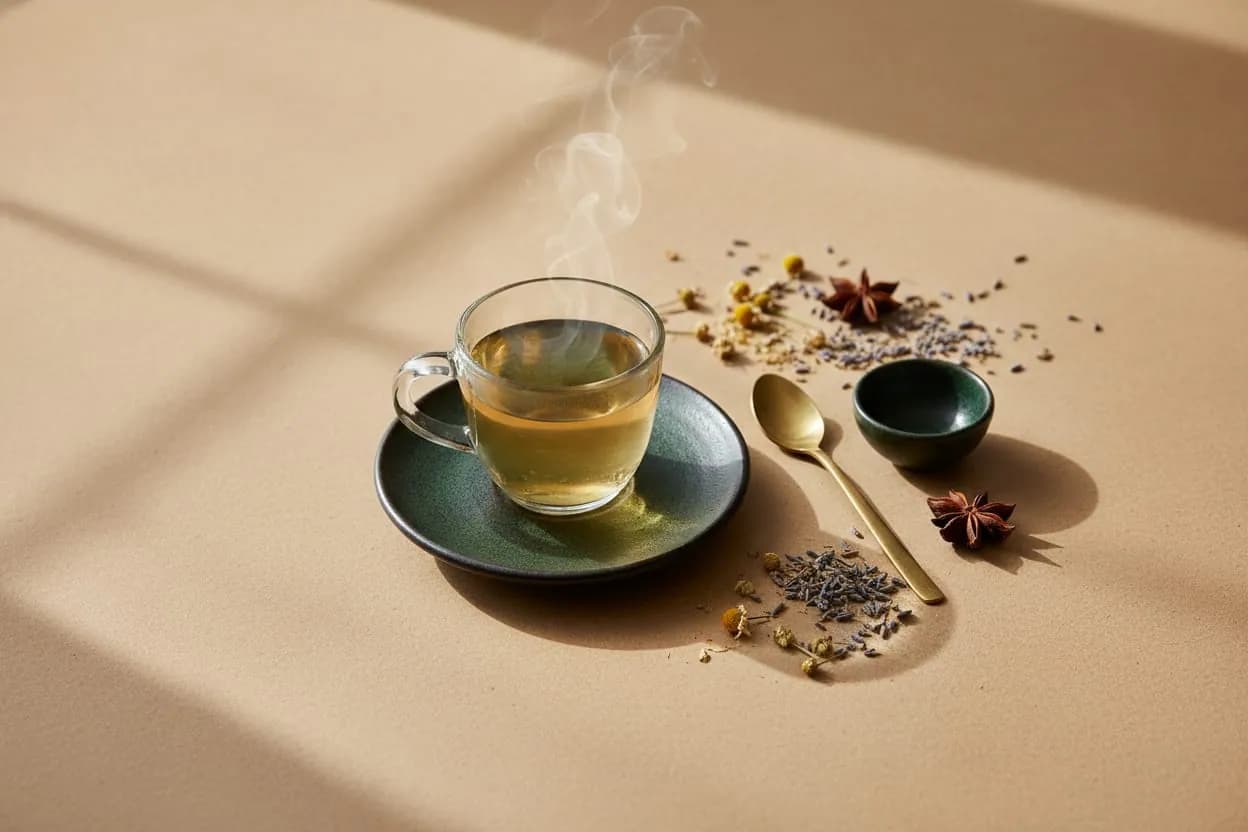
Combine the chamomile, lavender, and star anise in a warmed pot.
▸0.8 gchamomile flowers▸0.08 gdried lavender▸0.05 gstar anise
Pour over water just under the boil and cover.
▸300 mlfiltered water
Steep, covered, then strain; a longer steep gives a deeper, sleepier cup.
5–6 min
“A good steep is chemistry with the kettle on. Mind the minutes.”
THE MORTAR & KETTLE METHOD

The chemistry

SKELETAL STRUCTURES

4 compounds carry this recipe. Here is what each one does and, where we have it, what it actually looks like.

C₁₅H₁₀O₅
C₁₅H₁₀O₅

Chamomile's signature flavone binds gently at the brain's benzodiazepine sites, easing anxiety and setting the tea's drowsy, unwinding tone.

CalmingSleep
C₁₅H₂₆O
C₁₅H₂₆O

A mellow, faintly sweet terpene alcohol from chamomile that smooths the aroma and lends the cup its gentle, settling character.

FloralCalming
C₁₀H₁₈O
C₁₀H₁₈O

The floral heart of lavender; it eases the nervous system and carries most of the steep's calming, sleep-drawing scent.

FloralSleep
C₁₀H₁₂O
C₁₀H₁₂O

The warm anise-licorice principle of star anise, rounding the florals with a soft sweetness that keeps the cup comforting rather than sharp.

SweetCalming

About

IN DEPTH

Chamomile, lavender and star anise go into a warmed pot together, no staging, water poured on just under a boil, about 95°C, then covered five to six minutes; the recipe says stretch that if you want it sleepier. Chamomile's showier chemistry doesn't survive a teapot: what comes out is water-soluble, apigenin still mostly bound to a sugar as its glucoside, and a scatter of flavonoid glycosides, a different mixture from the dried flower, not a weaker version. Lavender adds linalool, 33.6 to 46.1 percent of the flower's oil, and star anise's anethole, 72 to 92 percent of its own oil, rounds the florals with a warm licorice sweetness that keeps the cup comforting rather than sharp.

The evidence lines up cleaner for sleep than for calm, and the size of the effect is smaller than the tagline. The one trial in diagnosed insomnia, using a standardized extract, not tea, gave 34 adults capsules for four weeks and found no difference from placebo; their dose worked out to fifteen grams of chamomile flowers a day, not feasible as tea. The one trial using actual tea, 80 women with poor sleep after childbirth, improved at two weeks, faded by four. Pooled across twelve trials, chamomile improved sleep quality, an effect size of 0.73, and nothing measurable for state anxiety, 0.15, its interval straddling zero. Lavender's better number, 0.35 against placebo on the Hamilton Anxiety scale, belongs to Silexan, and all five trials behind it were funded by its maker. The Journal's notes on chamomile's chemistry and on herbs for chronic stress cover this further.

Steep it the full six minutes for the sleepier version the recipe promises, covered, in a pot that's already warm so the water doesn't lose its heat before the flowers open. One caution: chamomile is a daisy, and the daisy family is a documented allergen. An eight-year-old with ragweed and mugwort allergies had a severe reaction to his first-ever cup, and antibody testing showed the cross-reaction runs straight through the pollen family. If ragweed sets off your hay fever, this is not the tea to try untested.

On the table together

THE INDEX, LINKED

This recipe is part of a set: follow the thread through the blends it uses and what it's served with.

FROM THE JOURNAL

The reading behind this recipe

Chamomile makes its blue in the still, not in the field
№50Chemistry

Chamomile makes its blue in the still, not in the field

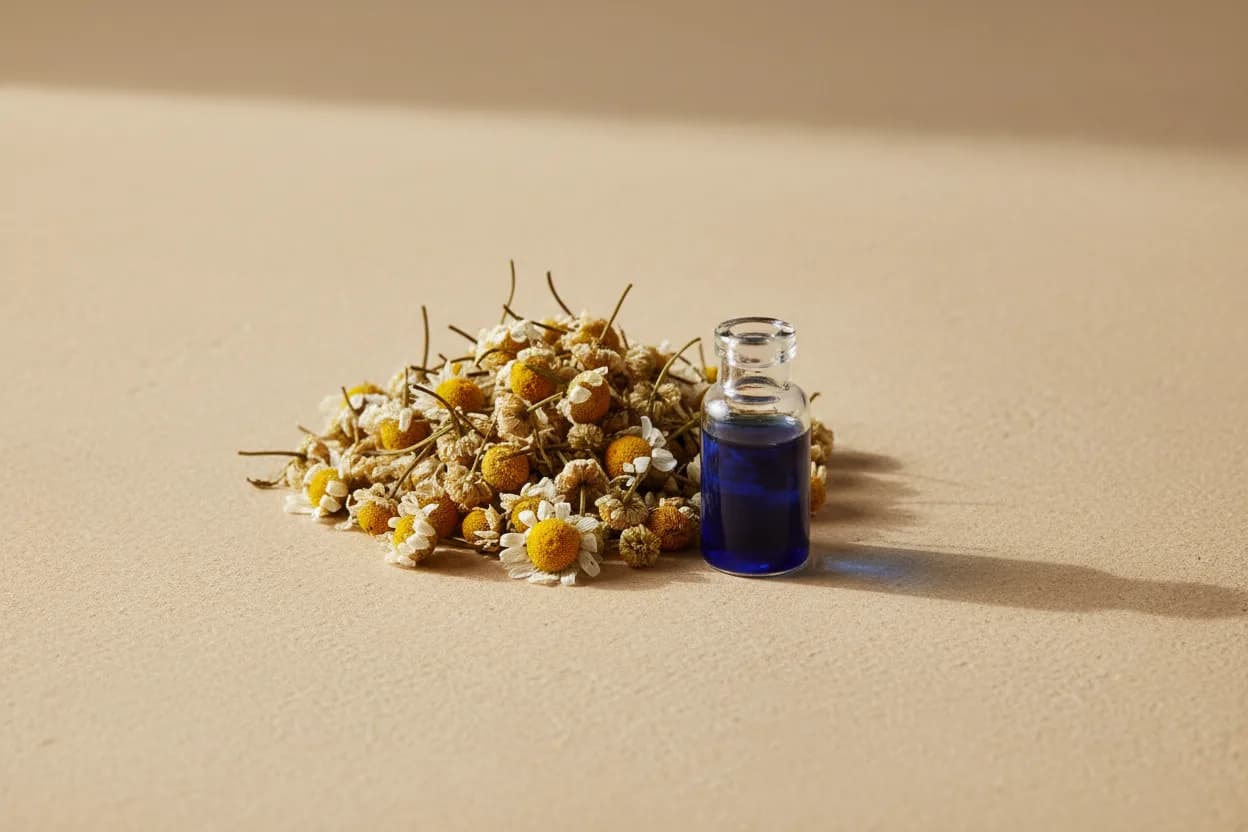
German chamomile flowers are white and gold. Distil them and the oil runs ink-blue, from a molecule the living plant never contains. What is in the flower, what a cup of tea actually carries, and why the trials that made chamomile's name mostly did not use tea.

16 September 2026·10 min read·17 SOURCES
The film on the tea was never limescale
№27Chemistry

The film on the tea was never limescale

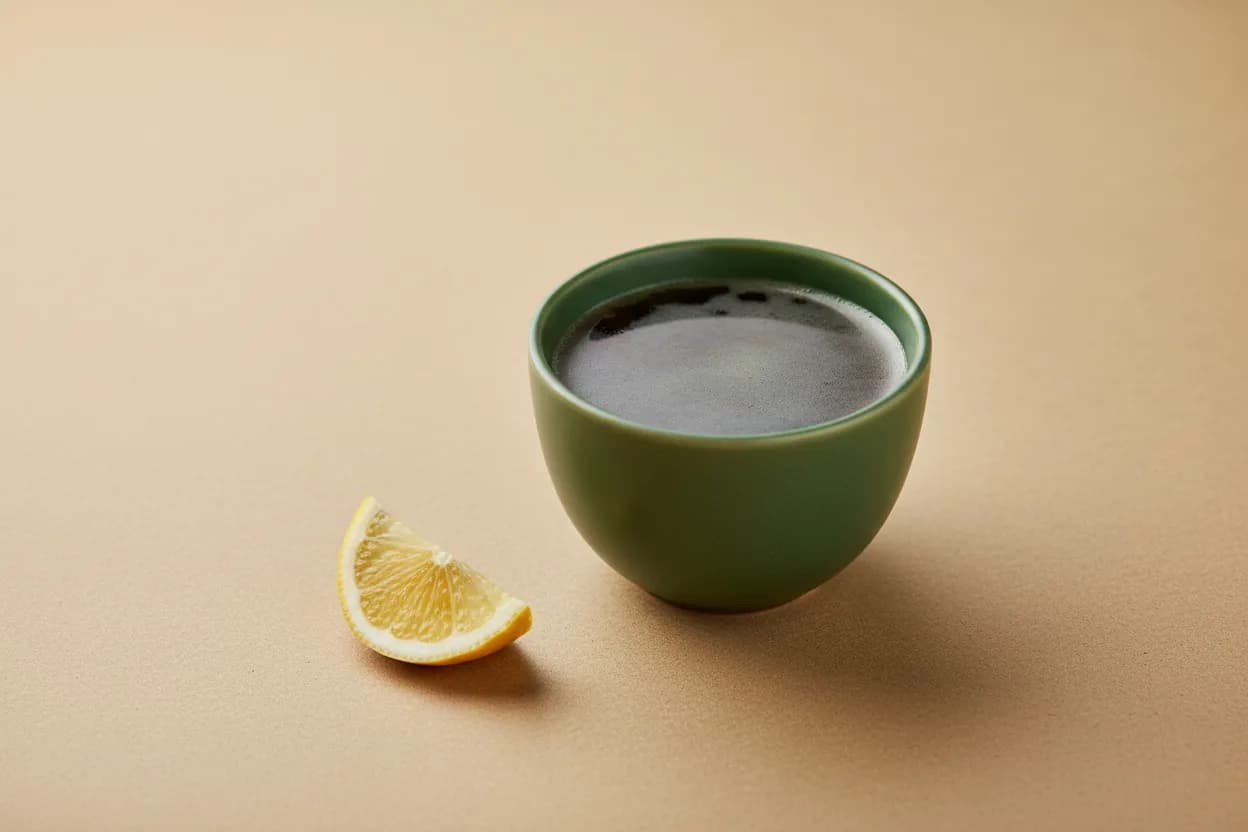
Water is the most-used ingredient in this index, in twenty-nine of thirty-nine recipes and in every single tea, and it is the one nobody writes down. In the 1990s a chemist at Imperial College spent four papers on the film it leaves on the surface of a cup, and almost everything people assume about that film turned out to be wrong.

9 August 2026·7 min read·13 SOURCES
Anise is not thirteen times sweeter than sugar, and nobody has ever checked
№22Chemistry

Anise is not thirteen times sweeter than sugar, and nobody has ever checked

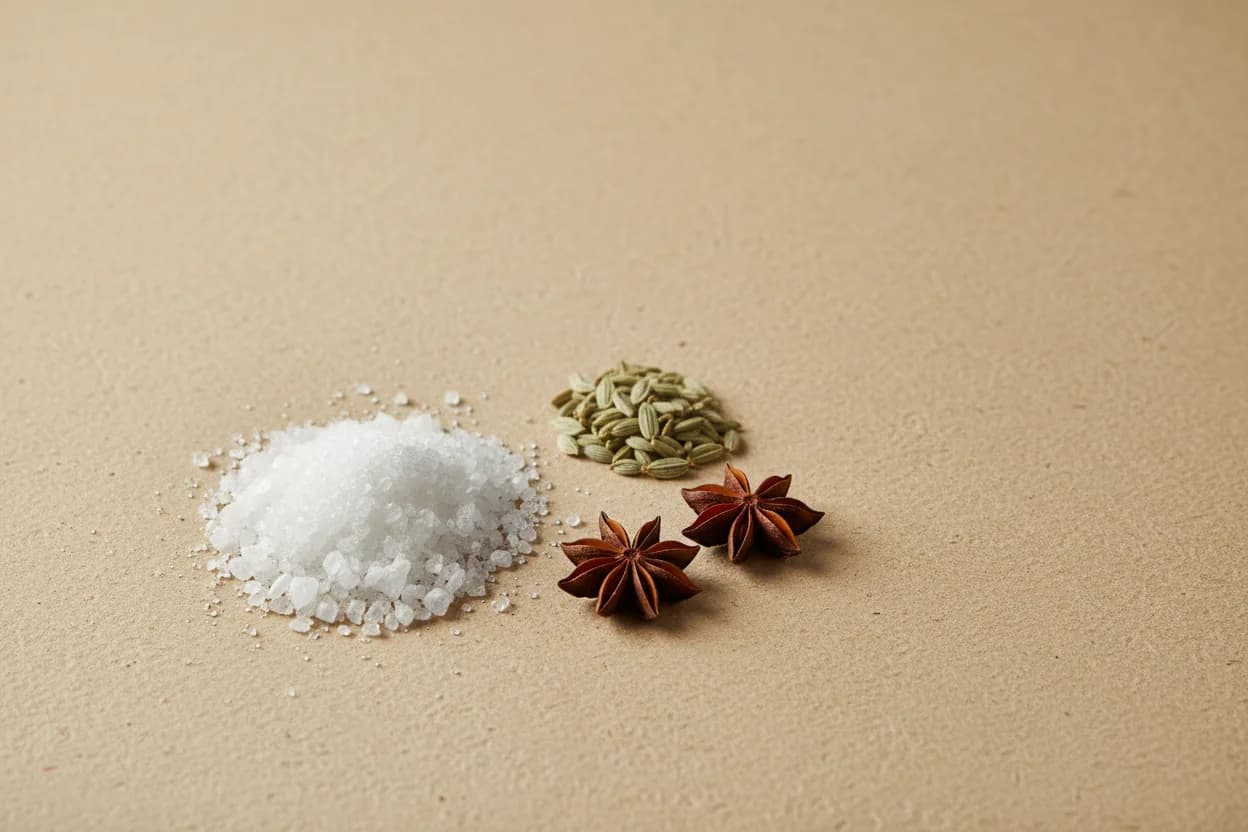
Sweet taste runs through a single receptor that will accept a sugar, a protein or a synthetic molecule with equal enthusiasm. Which is how anise tastes sweet with no sugar in it. The famous number attached to that fact, though, traces back to an uncited sentence, and the measurement behind it could not have been made.

6 August 2026·14 min read·26 SOURCES