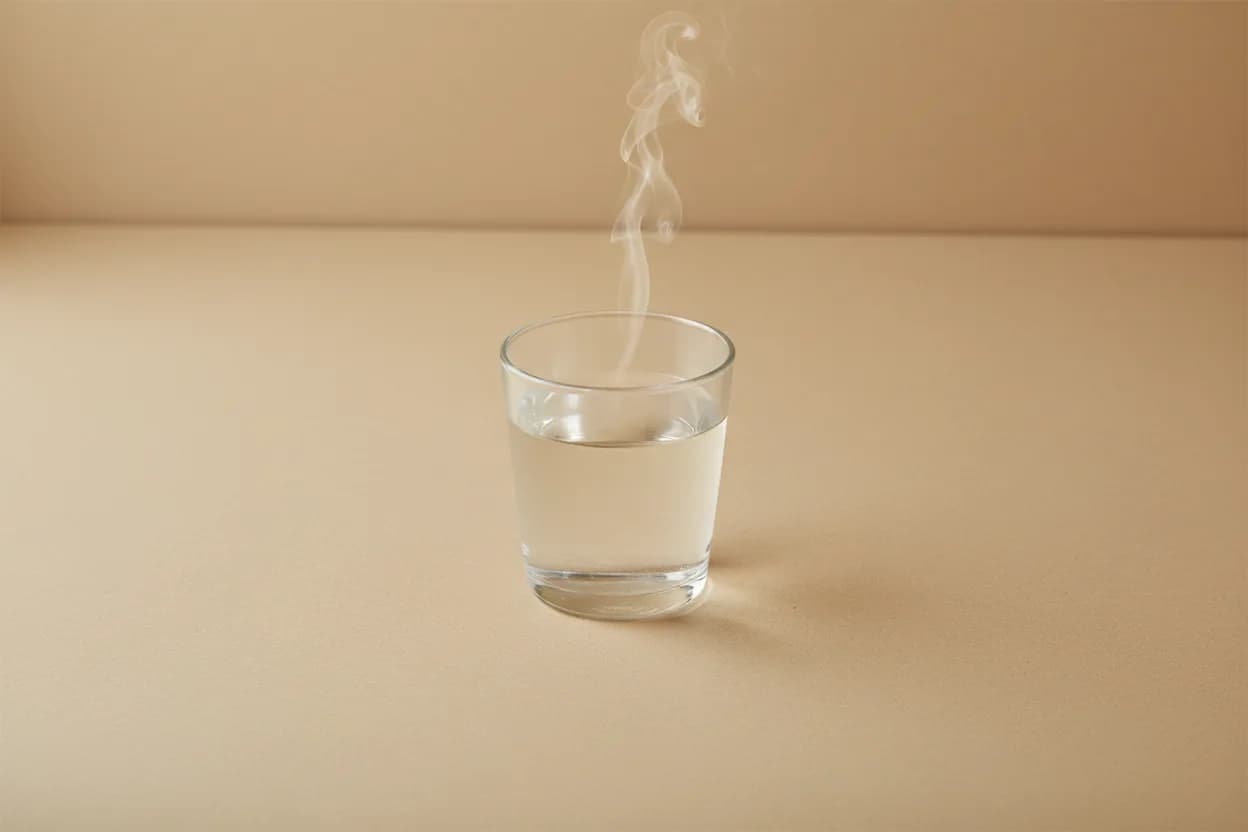
Skip to content
MORTAR & KETTLE
Apothecary of Flavor
HERBAL TEA · №013

Rose Milk Tea

a silken, rosy comfort

A silken infusion where crushed rose buds bloom over a jujube-sweetened black tea, softened by three milks into something between a comfort and a caress. It warms slowly and settles the nerves: floral on the surface, quietly grounding underneath.

Medium10 minModerate
FloralSweetWarmingCalming
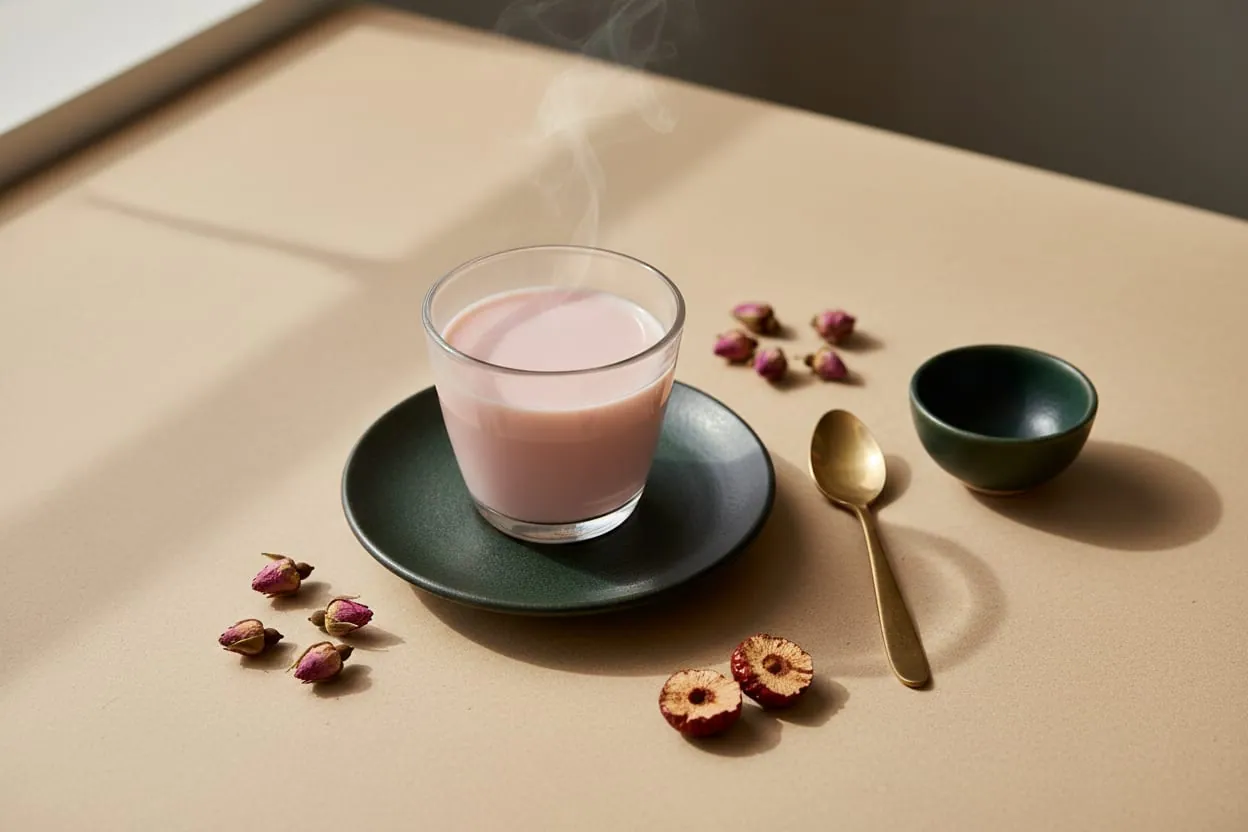
Rose Milk Tea · finished

Method

Check off each step as you go. Your progress is saved. Amounts below already match your batch size.

Simmer the jujube and ginger in the water to build a sweet, warming base.
4 piecesjujube2 gfresh ginger160 mlfiltered water
6–7 min
Add the black tea and steep.
1.5 gblack tea
1 min
Turn off the heat and add the crushed rose buds.
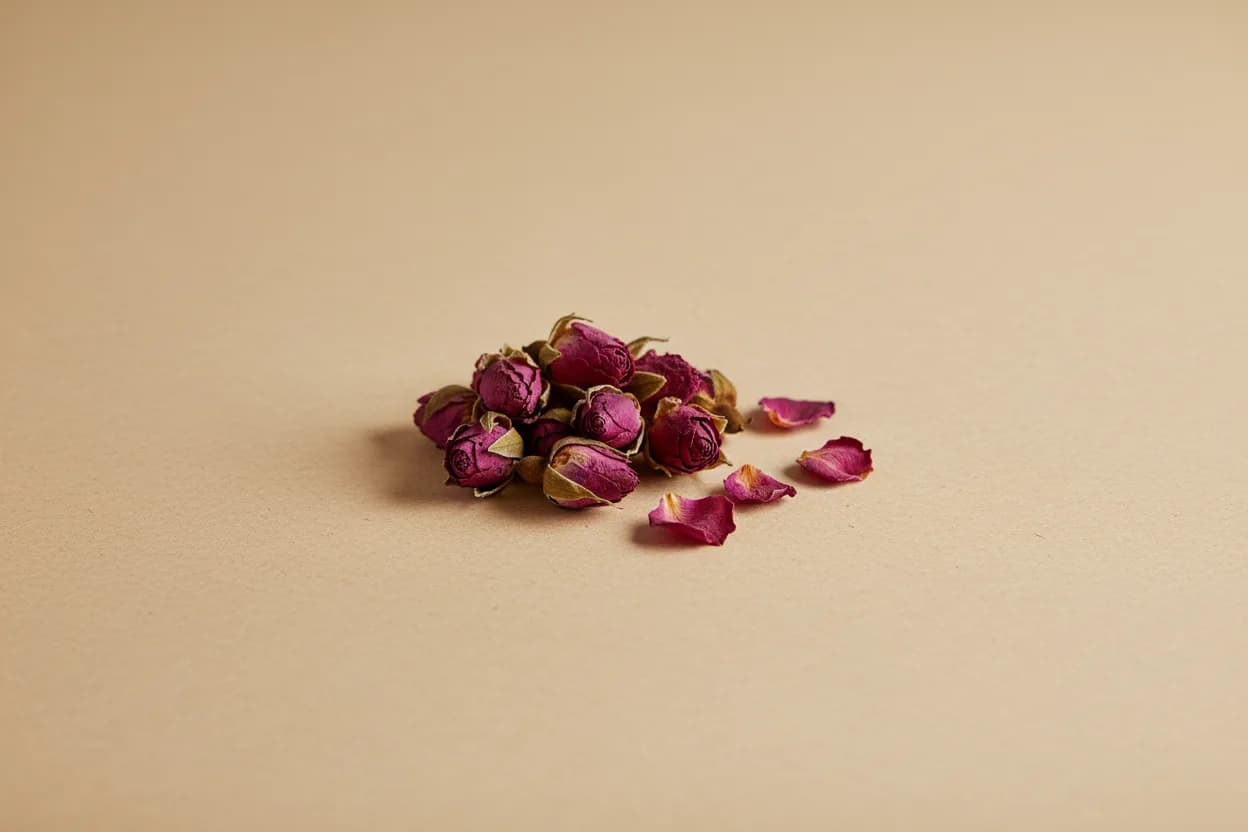
6 rose buds
3 min
Strain, then stir in the fresh, evaporated, and condensed milk last.
80 mlfresh milk40 mlevaporated milk8 mlcondensed milk
A good steep is chemistry with the kettle on. Mind the minutes.
THE MORTAR & KETTLE METHOD

The chemistry

SKELETAL STRUCTURES

4 compounds carry this recipe. Here is what each one does and, where we have it, what it actually looks like.

C₁₀H₂₀O
citronellol
C₁₀H₂₀O

The rosy heart of the crushed buds; it carries the tea's signature floral perfume and lends a gentle, calming lift to the whole cup.

FloralCalming
C₁₇H₂₆O₄
gingerol
C₁₇H₂₆O₄

Simmered from the fresh ginger, it is the source of the base's radiant warmth and a rounded sweetness that anchors the florals.

WarmingSweet
C₇H₁₄N₂O₃
l-theanine
C₇H₁₄N₂O₃

Drawn from the black tea, it tempers the caffeine's edge and brings a smooth, quieting sweetness that keeps this cup restful rather than brisk.

CalmingSweet
C₃₀H₄₈O₄
jujubosides
C₃₀H₄₈O₄

The saponin-rich sweetness the jujube gives up while simmering; long prized for calming the spirit, it deepens the tea's mellow, comforting body.

SweetCalming

On the table together

THE INDEX, LINKED

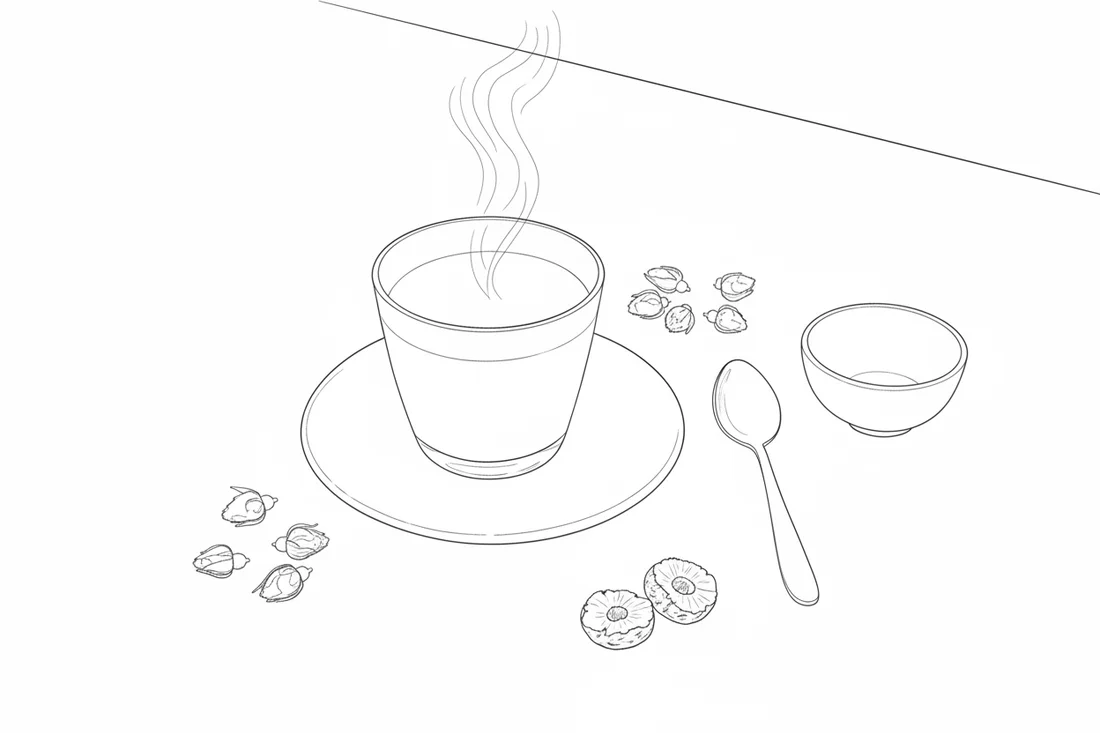
This recipe is part of a set: follow the thread through the blends it uses and what it's served with.
FROM THE JOURNAL

The reading behind this recipe

A third of people taste something when you warm the tongue
№38Senses

A third of people taste something when you warm the tongue

Put nothing in the mouth. Warm the tip of the tongue from 20 degrees to 35 and a good fraction of people report sweetness, from plain deionised water. In 2020 the effect was switched off with a compound that blocks the sweet receptor, which means temperature is opening the same door sugar opens.

14 August 2026·12 min read·14 SOURCES
Numb the taste nerve and the tea still dries your mouth
№33Senses

Numb the taste nerve and the tea still dries your mouth

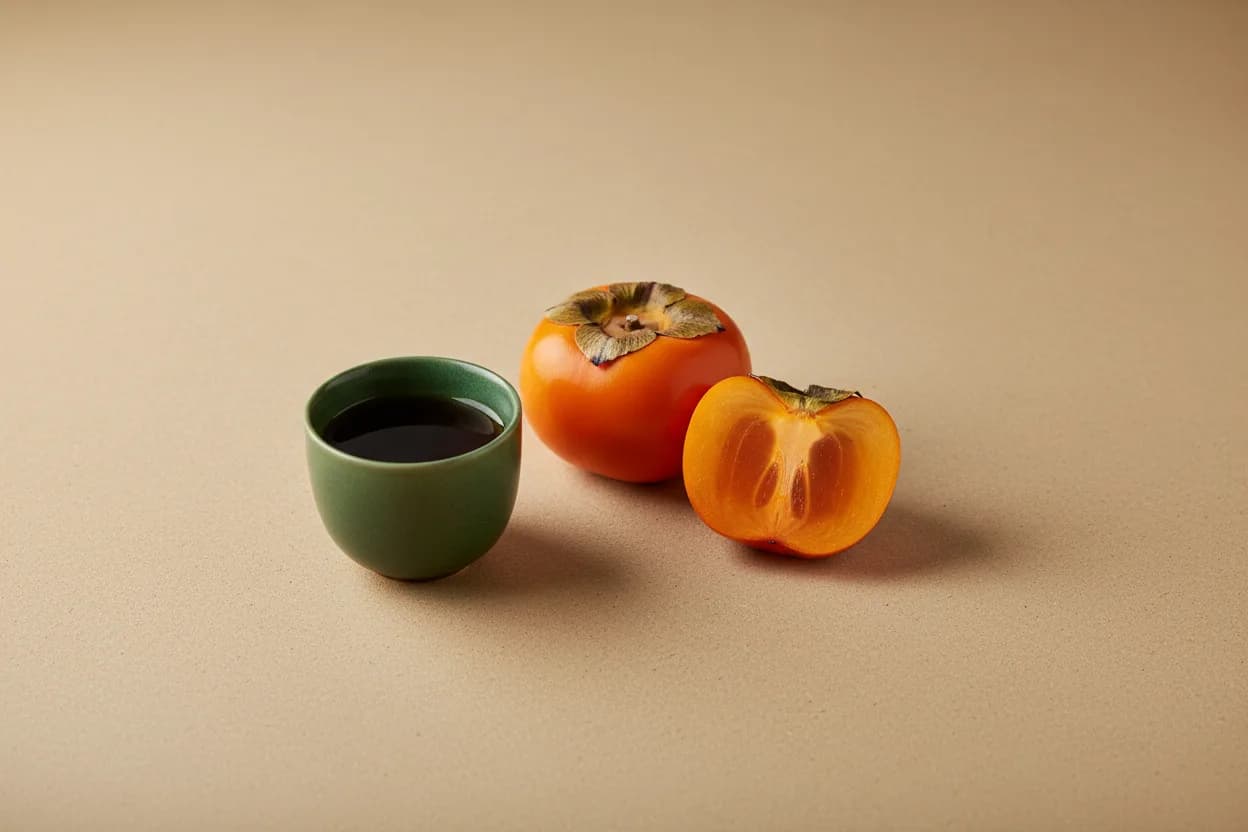
Strong tea, young red wine and an unripe persimmon all do the same thing: they pull the inside of your mouth tight. That sensation is not one of the tastes, and the experiment that proves it involved anaesthetising people's nerves one at a time until the feeling went away.

12 August 2026·10 min read·11 SOURCES
Most of what a rose is made of does not smell of rose
№15Chemistry

Most of what a rose is made of does not smell of rose

Citronellol and geraniol are the abundant ones. A large fraction of rose oil is odourless wax. The molecule that makes the smell unmistakable sits far below a tenth of a per cent, and the famous number attached to it turns out not to be a measurement.

3 August 2026·8 min read·10 SOURCES