Skip to content
MORTAR & KETTLE
Apothecary of Flavor
HERBAL TEA · №025

Tamarind Drink

a sweet-sour tamarind cooler

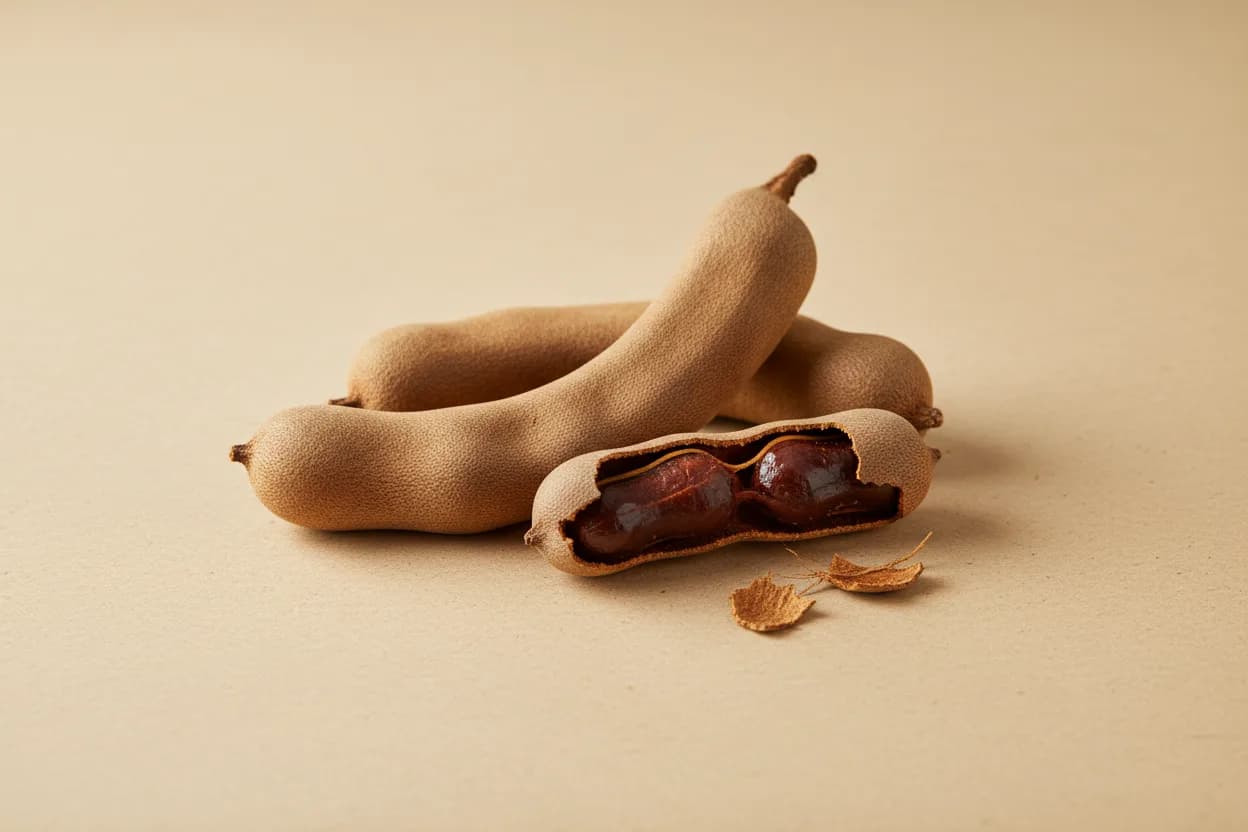
A cooler built on the pucker of tamarind pulp, its dark fruit sourness tempered by sugar and a whisper of salt. This is acidity as refreshment: bright, quenching, and just literary enough to feel like a study in tartness.

Easy45 minForgiving
TartSweetFruityCoolingDigestive
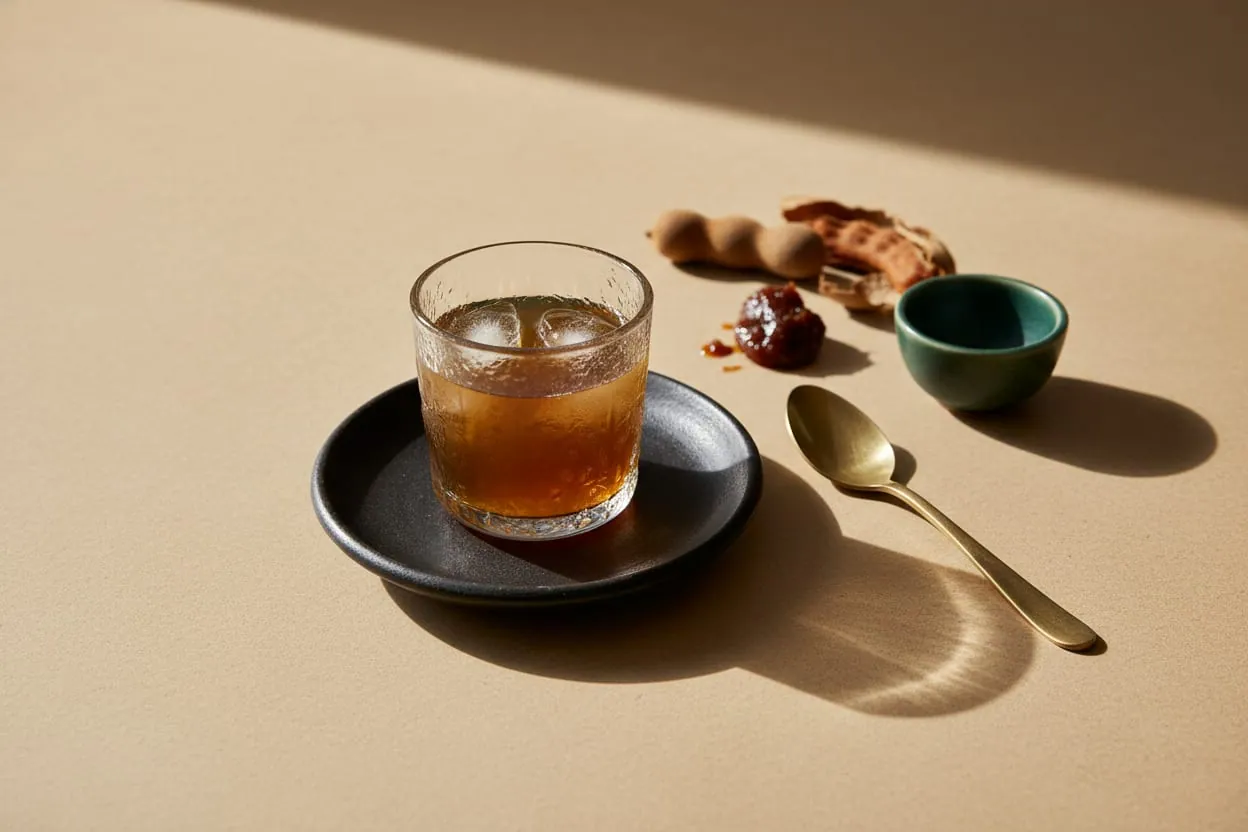
Tamarind Drink · finished

Method

Check off each step as you go. Your progress is saved. Amounts below already match your batch size.

Soak the tamarind block in the warm water.
200 gtamarind1.5 Lfiltered water
30–45 min
Squeeze and mash it thoroughly to release the pulp.
200 gtamarind
Strain out the seeds and fibres.
Stir in the sugar and salt, adjusting to taste.
60 graw sugar1.5 gsea salt
Chill well before serving.
A good steep is chemistry with the kettle on. Mind the minutes.
THE MORTAR & KETTLE METHOD

The chemistry

SKELETAL STRUCTURES

2 compounds carry this recipe. Here is what each one does and, where we have it, what it actually looks like.

C₄H₆O₆
tartaric acid
C₄H₆O₆

Tamarind's dominant acid, tartaric acid supplies the deep, mouth-puckering sourness that defines the drink. It is the backbone against which the sugar and salt are balanced.

TartDigestive
C₆H₈O₇
citric acid
C₆H₈O₇

A secondary acid that lifts the tamarind's heavier sourness with a cleaner, more cooling tartness. It sharpens the overall brightness and makes the cooler read as refreshing rather than merely sour.

FruityCooling

On the table together

THE INDEX, LINKED

This recipe is part of a set: follow the thread through the blends it uses and what it's served with.

FROM THE JOURNAL

The reading behind this recipe

Most of the world's citric acid has never been near a lemon
№45Chemistry

Most of the world's citric acid has never been near a lemon

Every sour thing in the kitchen leads with one particular acid, and the fruit it is named after is usually not where it comes from any more. A look at citric, tartaric, malic and acetic, what each does to flavour, and why vinegar has no legal definition at all.

30 August 2026·10 min read·6 SOURCES
An Indian name on an African tree
№28Origins

An Indian name on an African tree

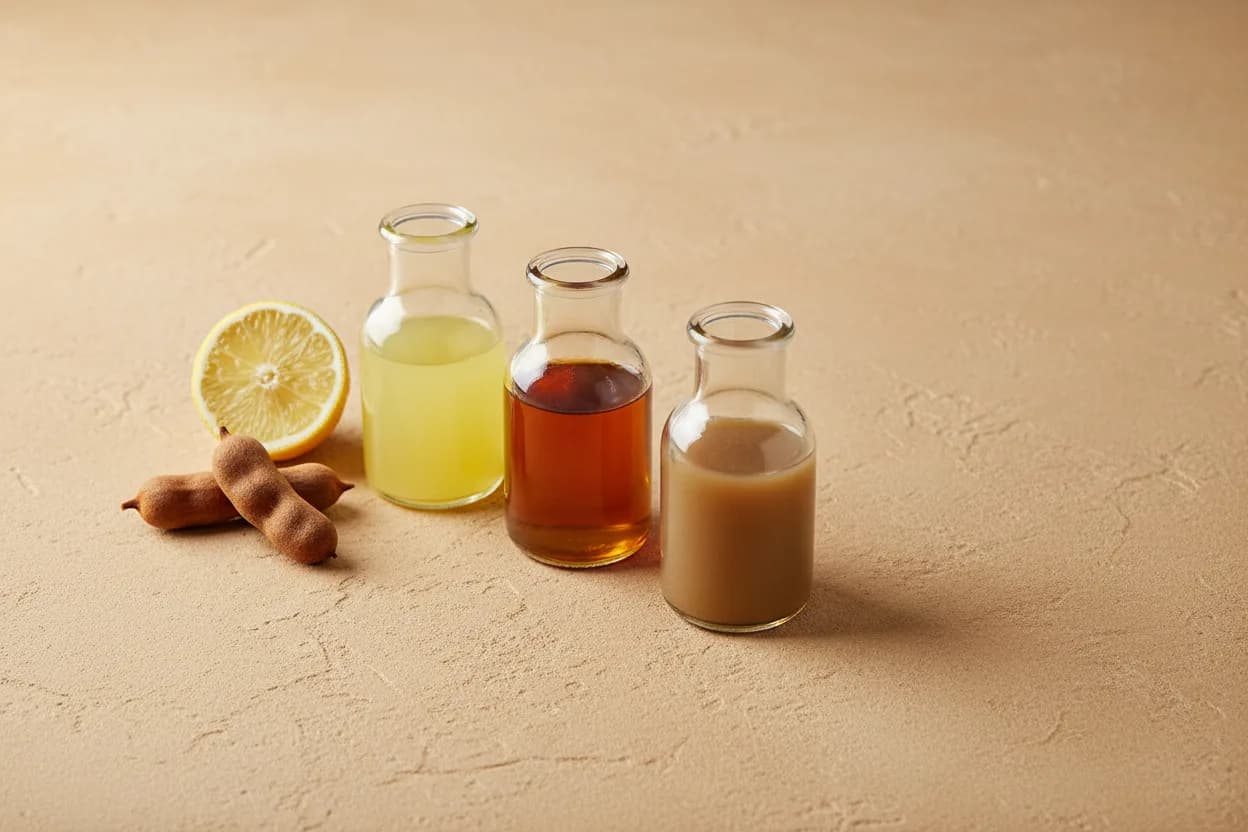
Arabic traders called it tamr hindi, the date of India. Linnaeus wrote that down as Tamarindus indica in 1753 and the label has held ever since, for a tree that no botanical authority today places in India at all. The name is a receipt from a spice market, and it outlived every fact it got wrong.

9 August 2026·7 min read·12 SOURCES