Skip to content
MORTAR & KETTLE
Apothecary of Flavor
, home
HERBAL TEA · №007

Warm Mint Comfort Tea

a soothing minty warmth

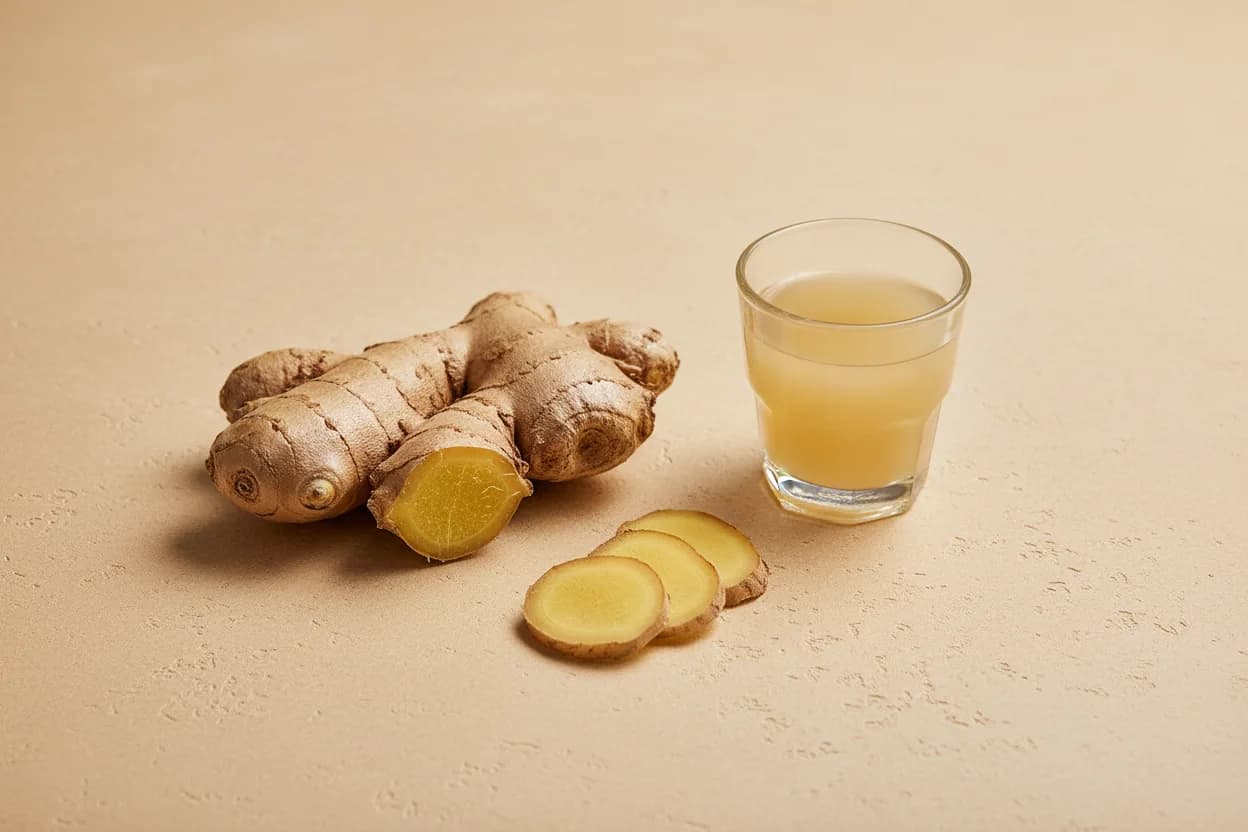
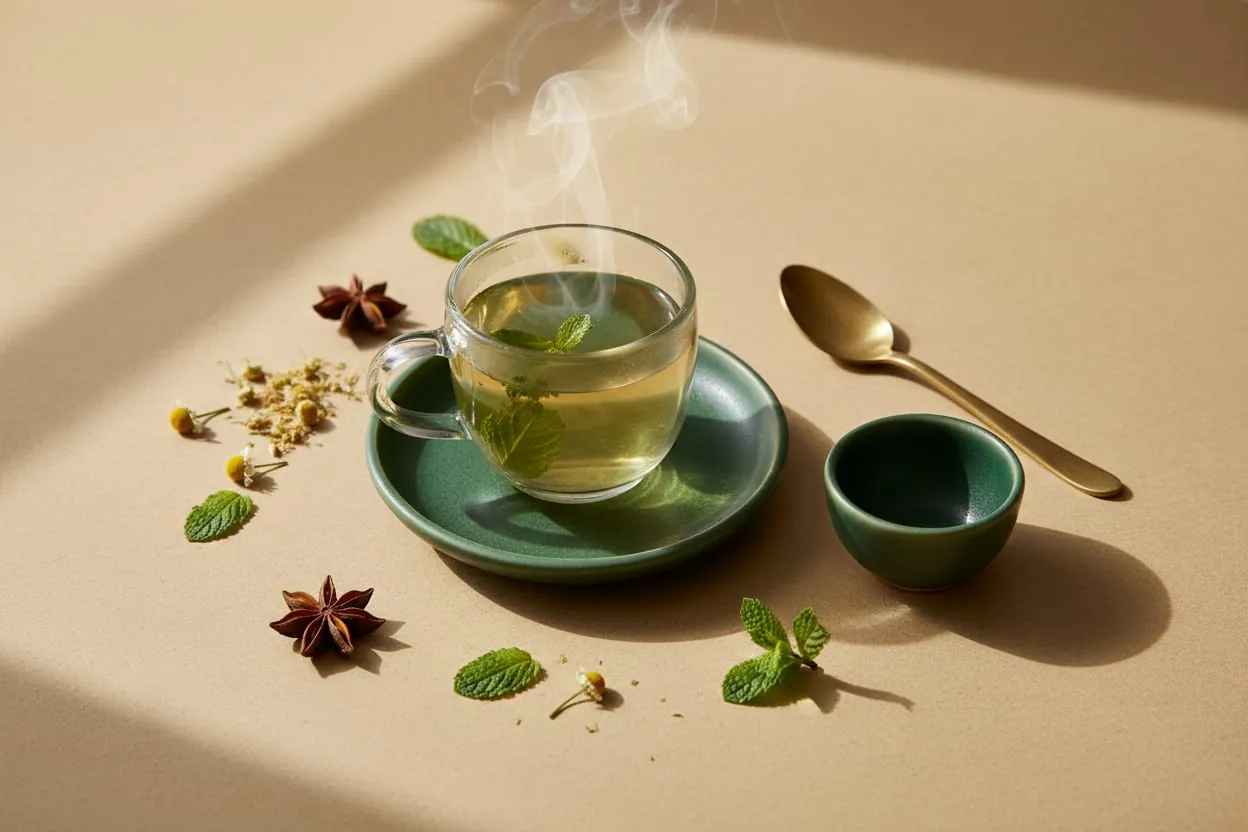
A gentle simmer of ginger and star anise laced with fresh mint and chamomile, warmth that settles the stomach while it cools the tongue. This is comfort traced to its chemistry: a quiet, herbaceous calm that eases digestion and unknots the day.

Easy10 minModerate
MintyHerbaceousCalmingDigestiveWarming
Warm Mint Comfort Tea · finished

Method

Check off each step as you go. Your progress is saved. Amounts below already match your batch size.

Simmer the ginger and star anise in the water until fragrant.
▸1.5 gfresh ginger▸0.05 gstar anise▸300 mlfiltered water
5 min
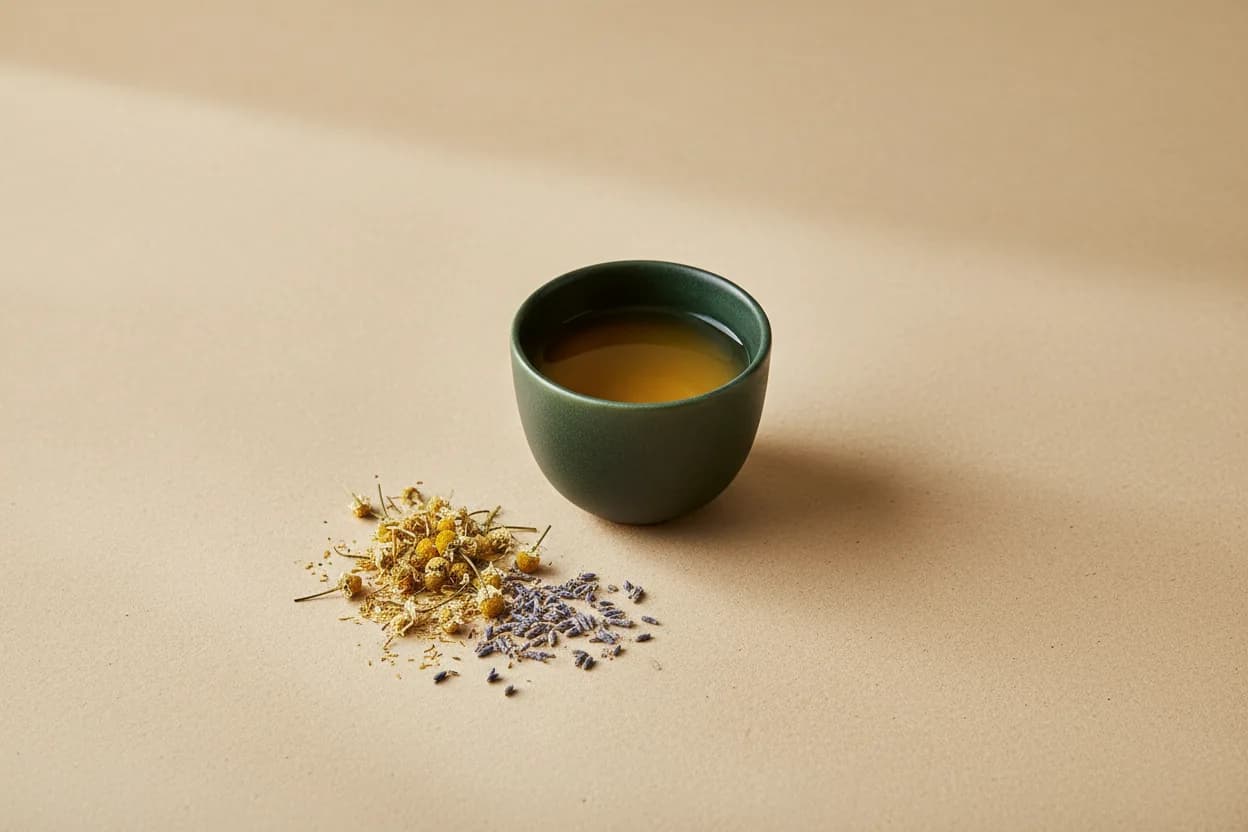
Take off the heat and add the mint and chamomile.
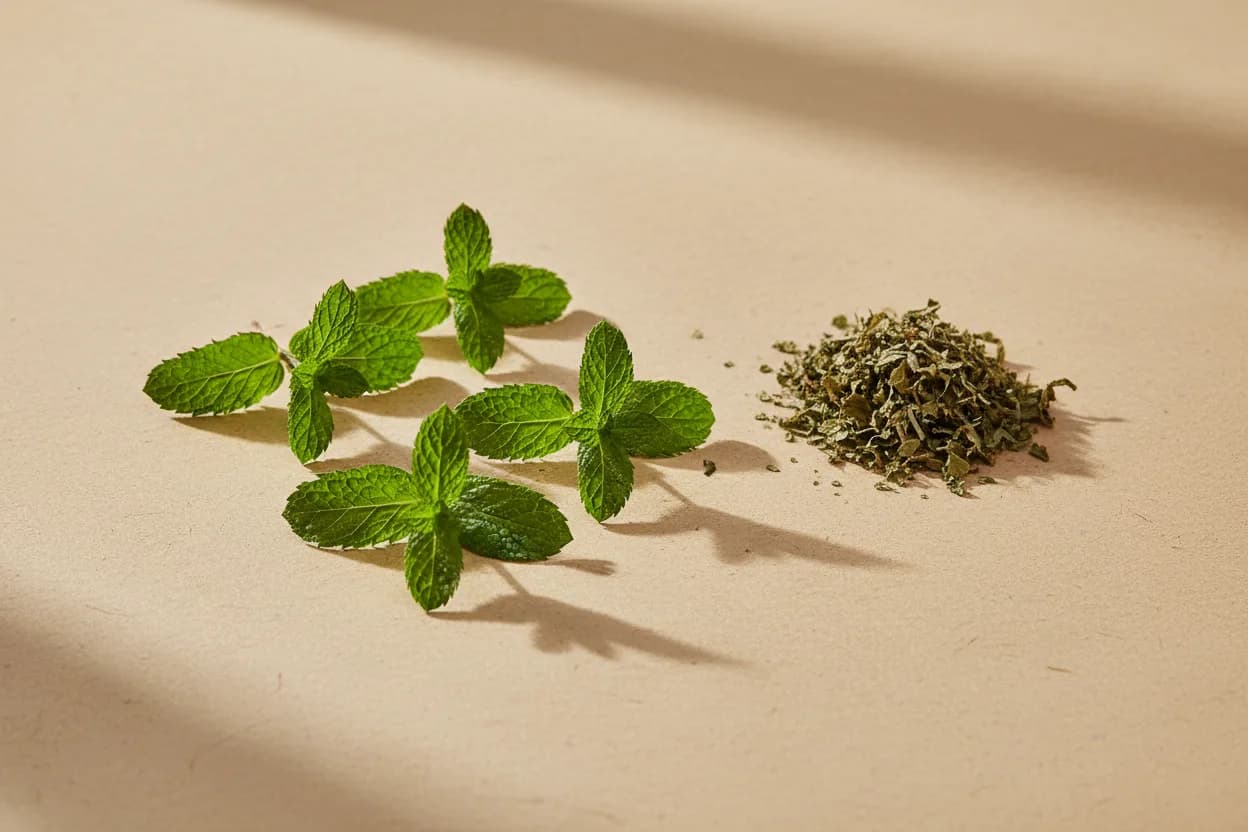
▸8 leavesfresh mint▸0.8 gchamomile flowers
Steep, covered, then strain into a warmed cup.
5 min
“A good steep is chemistry with the kettle on. Mind the minutes.”
THE MORTAR & KETTLE METHOD

The chemistry

SKELETAL STRUCTURES

4 compounds carry this recipe. Here is what each one does and, where we have it, what it actually looks like.

C₁₇H₂₆O₄
C₁₇H₂₆O₄

The heat of fresh ginger drawn out in the simmer; it stirs circulation and soothes the digestive tract, giving this tea its comforting inner warmth.

WarmingDigestive
C₁₀H₂₀O
C₁₀H₂₀O

The bright cooling lift from fresh mint that plays against the ginger's heat, freshening the breath and calming the gut.

MintyDigestive
C₁₀H₁₂O
C₁₀H₁₂O

The sweet anise thread from a mere pinch of star anise; it rounds the ginger's edge and gently eases the stomach.

HerbaceousDigestive
C₁₅H₂₆O
C₁₅H₂₆O

The soft, grassy calm within chamomile that steeps in after the heat is off, coaxing the nervous system toward rest.

HerbaceousCalming

About

IN DEPTH

The same five ingredients as its sibling, Digestive Mint Tea, pushed in a different direction. A slice and a half of ginger and the same tiny pinch of star anise simmer for five minutes, not three; the heat then goes off and eight mint leaves, two fewer than the other recipe, join 0.8 grams of chamomile, nearly twice as much, to steep covered for five minutes and strain into a warmed cup. More ginger, a longer simmer and less mint keep the heat from giving way to cold, so menthol's chill plays against the ginger rather than cutting across it. Digestive Mint Tea meets a meal that just happened; this one meets the end of a day, with no meal to answer to.

Ginger's evidence points the same direction: its one well-supported job is nausea, and even the effect that looks most mechanistic, speeding gastric emptying, showed up in two trials at 1.2 grams without moving a single reported symptom. Menthol's cooling is the same trick in both teas: it shifts the TRPM8 cold receptor's threshold into ordinary room temperature rather than lowering anything. Chamomile carries this tea's calming tag, but the trials behind that reputation used standardised capsule extracts, not tea: the one dedicated insomnia trial found no difference from placebo, at a dose its authors calculated as fifteen grams of flowers a day, far past what a cup delivers. Pooled across twelve trials, chamomile improved sleep quality and general anxiety; state anxiety, the moment-to-moment kind, didn't move, the more honest read of the calm this cup is sold on.

Drink it slow, in the evening, in something that holds heat, and don't expect the chamomile at this dose to do more than round off the ginger's edge. The same caution as its sibling: buy star anise from someone who can tell Illicium verum from its toxic look-alike, Illicium anisatum, which has put infants into seizures. This tea asks for only 0.05 grams of it, the whole reason it's a pinch and not a spoonful.

On the table together

THE INDEX, LINKED

This recipe is part of a set: follow the thread through the blends it uses and what it's served with.

FROM THE JOURNAL

The reading behind this recipe

Nobody has measured what is in a ginger shot
№19Safety

Nobody has measured what is in a ginger shot

A pharmacist in Buxton named the molecule in 1879 after boiling down twenty-eight pounds of the stuff. Since then we have learned that drying ginger does not weaken it but changes the molecule, that it works the same receptor as chilli, and that the one thing ginger is genuinely good for has never been tested in the form everyone drinks.

5 August 2026·14 min read·29 SOURCES
What a cup of tea can and cannot do about your stress
№16Safety

What a cup of tea can and cannot do about your stress

The word adaptogen was refused by Europe's medicines regulator in 2008 and has been on every label since. Here is what the trials actually show, what the cortisol numbers hide, and where a herb sits next to sleep.

3 August 2026·11 min read·19 SOURCES
Mint does not cool anything
№05Chemistry

Mint does not cool anything

Menthol lowers no temperature at all. It picks the lock on the receptor your nerves use to report cold, which is a far stranger thing to do.

31 July 2026·6 min read·7 SOURCES