Skip to content
MORTAR & KETTLE
Apothecary of Flavor
, home
HERBAL TEA · №008

Digestive Mint Tea

a cooling after-meal settle

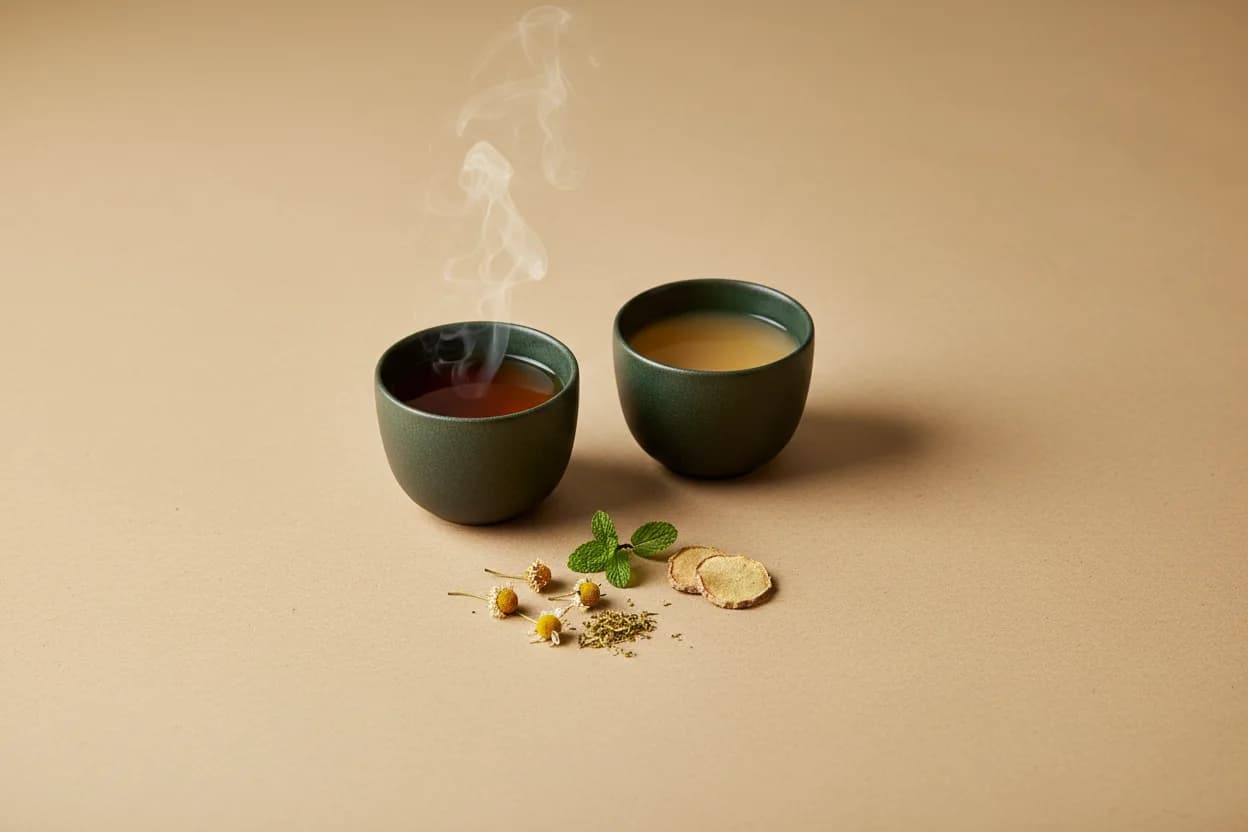
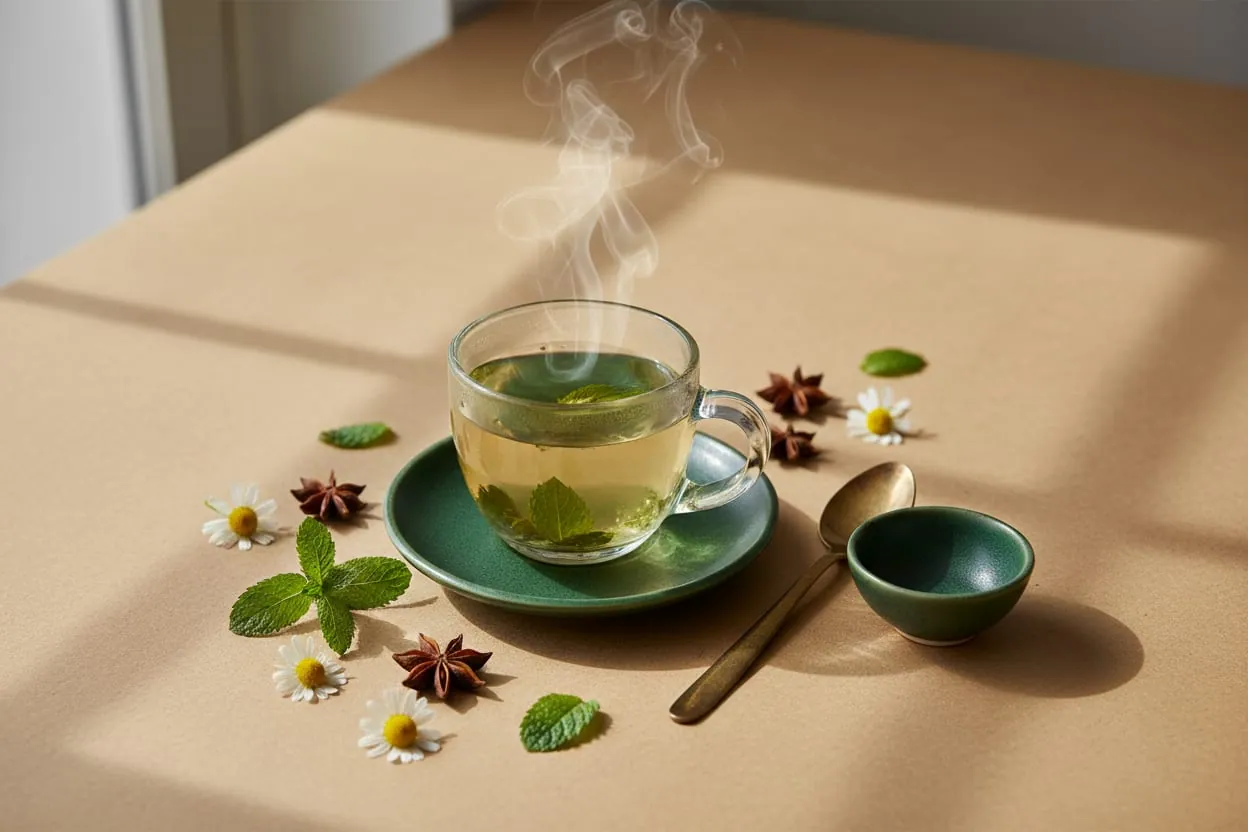
A warming simmer of ginger and star anise met by a cooling rush of fresh mint and the soft chamomile hush. This is the tea you reach for when a meal sits heavy. It settles the stomach and clears the palate, warmth beneath and coolness above.

Easy8 minForgiving
MintyHerbaceousDigestiveCooling
Digestive Mint Tea · finished

Method

Check off each step as you go. Your progress is saved. Amounts below already match your batch size.

Simmer the ginger and star anise in the water.
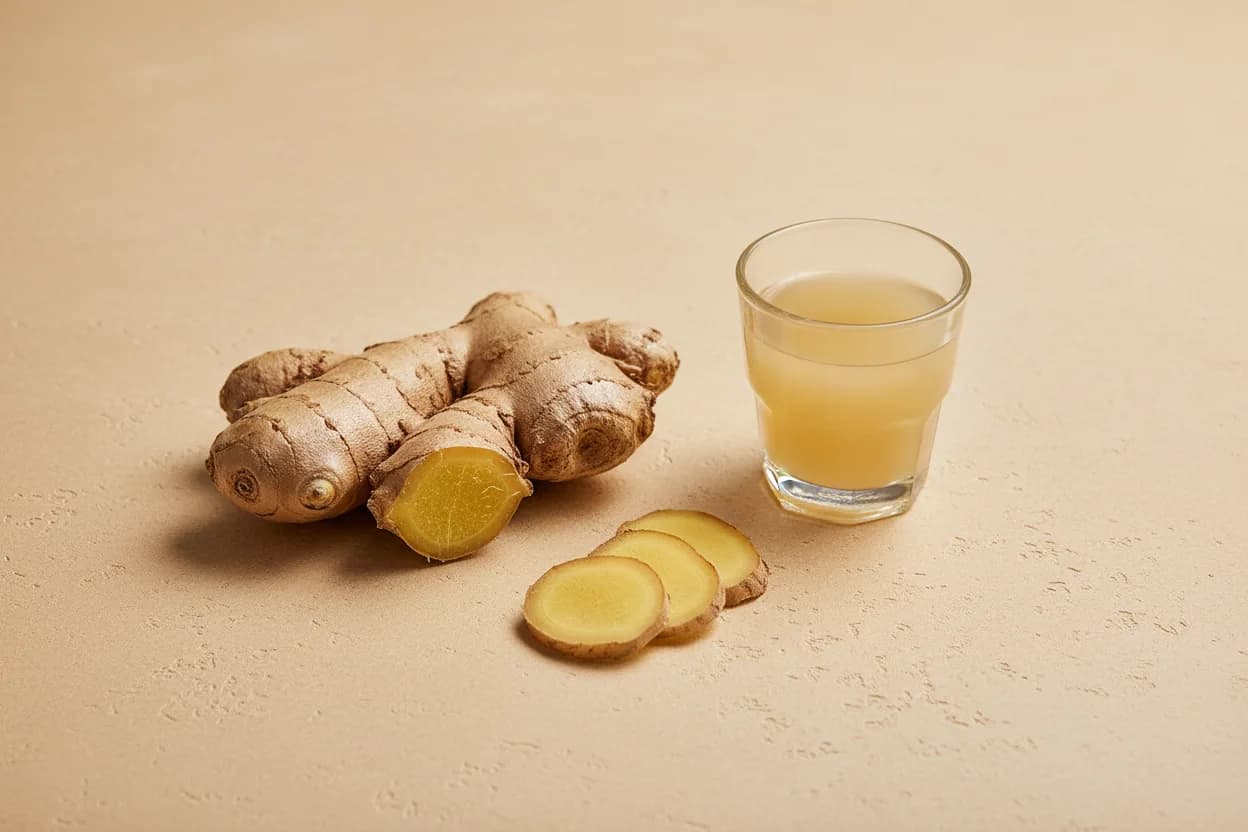
▸1 gfresh ginger▸0.05 gstar anise▸300 mlfiltered water
3 min
Take off the heat and add the mint and chamomile.
▸10 leavesfresh mint▸0.5 gchamomile flowers
Steep, covered, then strain.
5 min
“A good steep is chemistry with the kettle on. Mind the minutes.”
THE MORTAR & KETTLE METHOD

The chemistry

SKELETAL STRUCTURES

4 compounds carry this recipe. Here is what each one does and, where we have it, what it actually looks like.

C₁₇H₂₆O₄
C₁₇H₂₆O₄

The pungent warmth of fresh ginger; it stimulates gastric motility and eases the after-meal heaviness at the heart of this tea.

HerbaceousDigestive
C₁₀H₂₀O
C₁₀H₂₀O

The cool breath of fresh mint; it triggers the body's cold receptors and gives the tea its clean, palate-clearing finish.

MintyCooling
C₁₀H₁₂O
C₁₀H₁₂O

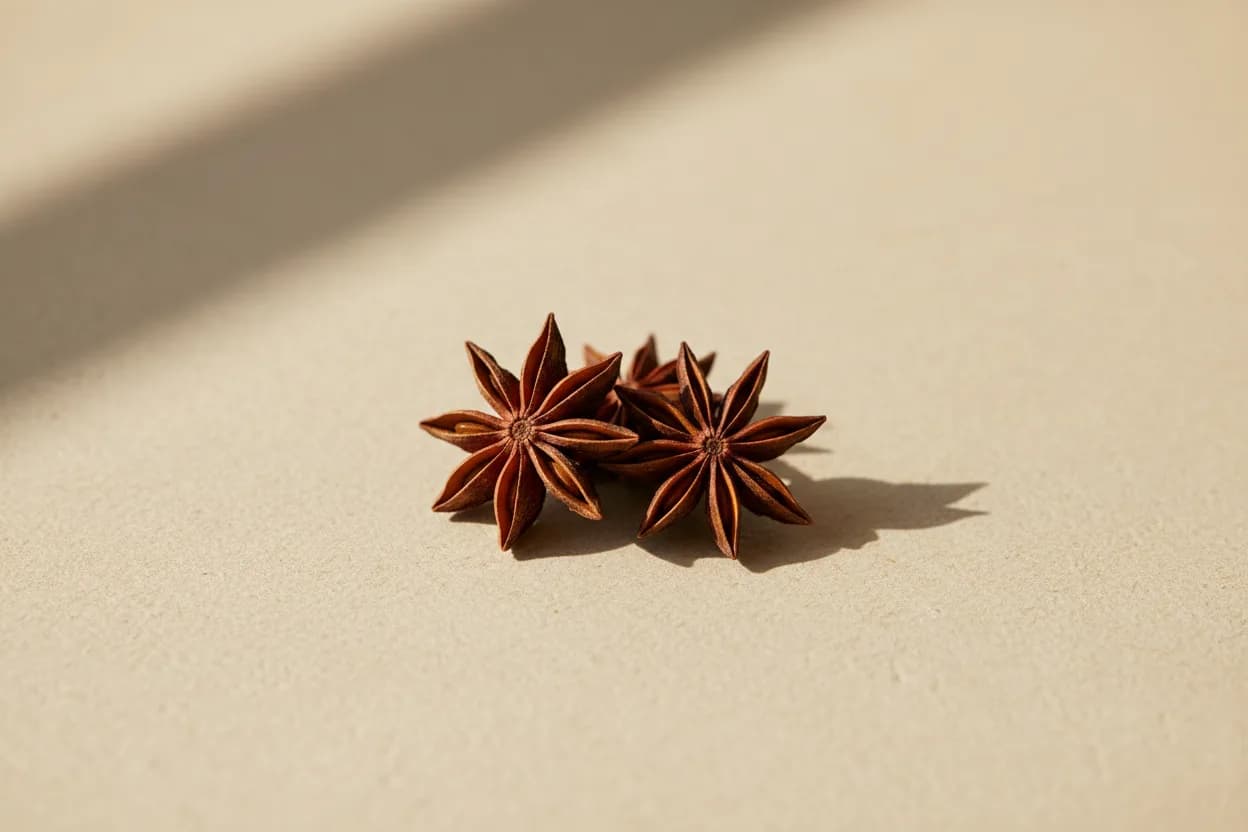
The sweet-anise note from a pinch of star anise; a traditional carminative, it calms the gut and rounds the ginger's bite.

HerbaceousDigestive
C₁₅H₂₆O
C₁₅H₂₆O

The gentle floral balm of chamomile; it soothes the stomach lining and softens the tea's warming edge into calm.

HerbaceousCooling

About

IN DEPTH

Four botanicals, in two stages. A slice of ginger and a tiny pinch of star anise simmer for three minutes; the heat then goes off and ten mint leaves join half a gram of dried chamomile to steep, covered, for five minutes, warm underneath and cool on top. The Journal's note on brewing methods flags this sequence: the European Medicines Agency's template says aromatic herbs like mint may be infused at the end of a decoction. Its sibling, Warm Mint Comfort Tea, uses the same five ingredients in different proportions: half again as much ginger, a longer five-minute simmer, two fewer mint leaves and more chamomile, built for winding down an evening rather than settling a meal that just happened.

The evidence for what it's meant to do is real but narrow. Ginger's one well-supported use is nausea; even its most mechanistic effect, faster gastric emptying, doesn't survive a symptom diary: in two randomised trials, 1.2 grams sped emptying by half in healthy volunteers and changed no reported symptom. Mint's coolness is a trick, not a temperature: menthol shifts the TRPM8 receptor's activation point into the warm range, so a cold-reporting nerve fires at room temperature. Chamomile fares best of the four: Europe's herbal medicines committee lists chamomile tea, at 1.5 to 4 grams per 150 millilitres, as a traditional remedy for minor gastrointestinal complaints including bloating, a use this recipe's half gram sits comfortably under. Star anise supplies sweetness more than medicine; its flu-fighting reputation belongs to shikimic acid, the Tamiflu precursor, not any antiviral action of its own.

Drink it hot, right after the meal it's meant to follow, and let the mint do the work rather than expecting much from the chamomile at that dose. One caution: buy star anise from someone who can name the species. Illicium anisatum, Japanese star anise, looks nearly identical dried and is toxic, a GABA-A blocker whose active compound has sent infants into seizures from a single cup. The 0.05 grams this recipe asks for, a tiny pinch of the real thing, is already doing its job.

On the table together

THE INDEX, LINKED

This recipe is part of a set: follow the thread through the blends it uses and what it's served with.

FROM THE JOURNAL

The reading behind this recipe

What to boil, what to steep, and the rule that was never tested
№30Chemistry

What to boil, what to steep, and the rule that was never tested

Roots and barks get boiled, leaves and flowers get steeped. Every herbal tradition says so and the European Medicines Agency prints it as guidance. I went looking for the measurement underneath it and could not find one. Here is what the four methods actually do, and where the received wisdom holds.

11 August 2026·14 min read·19 SOURCES
Nobody has measured what is in a ginger shot
№19Safety

Nobody has measured what is in a ginger shot

A pharmacist in Buxton named the molecule in 1879 after boiling down twenty-eight pounds of the stuff. Since then we have learned that drying ginger does not weaken it but changes the molecule, that it works the same receptor as chilli, and that the one thing ginger is genuinely good for has never been tested in the form everyone drinks.

5 August 2026·14 min read·29 SOURCES
The spice that fed a drug factory
№08Safety

The spice that fed a drug factory

Star anise was once the world's main industrial source of shikimic acid, the starting material for Tamiflu. It does not follow that star anise treats flu, and there is a poisonous look-alike worth knowing about.

31 July 2026·7 min read·9 SOURCES