Skip to content
MORTAR & KETTLE
Apothecary of Flavor
HERBAL TEA · №004

Spikenard, Lavender & Star Anise

grounding and floral at once

A tea that reaches in two directions at once: the damp, resinous earth of spikenard root anchored to the high floral lift of lavender, with star anise threading a sweet warmth between them. It settles the nervous system and coaxes the body toward sleep, grounding and lulling in the same sip.

Easy10 minForgiving
EarthyFloralCalmingSleep
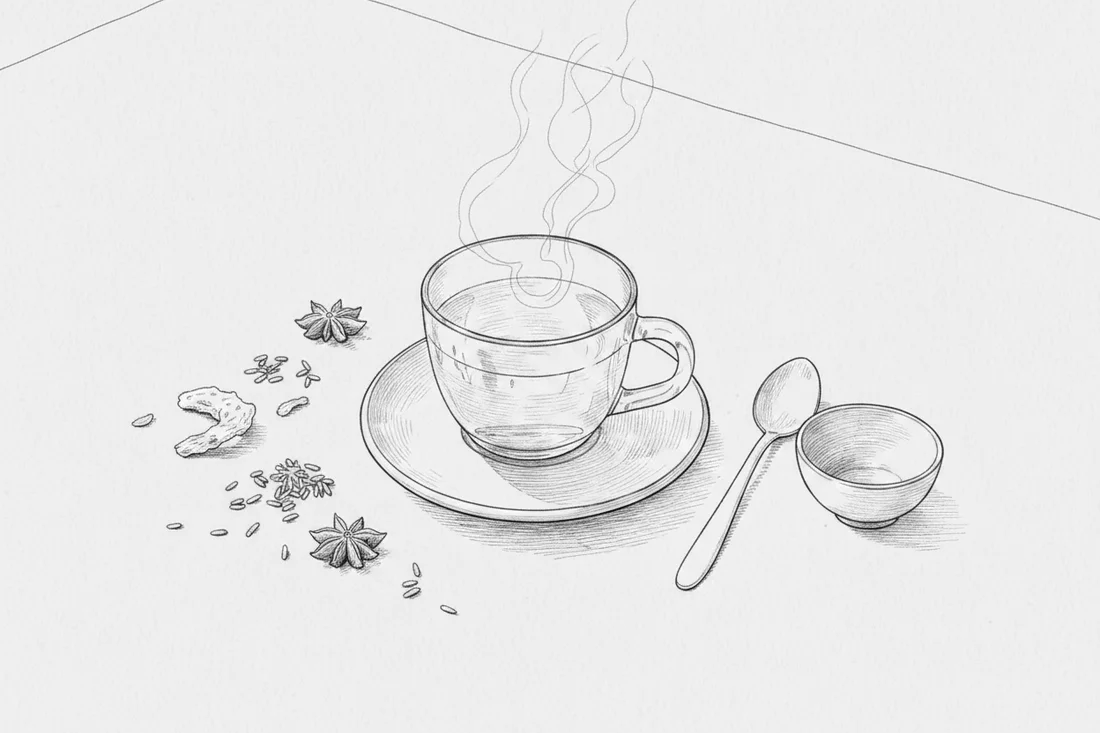
Spikenard, Lavender & Star Anise · finished

Method

Check off each step as you go. Your progress is saved. Amounts below already match your batch size.

Combine the spikenard, lavender, and star anise in a small pot.
0.5 gspikenard root0.05 gdried lavender0.05 gstar anise
Pour over just-boiled water and cover to hold the aromatics in.
300 mlfiltered water
Steep slowly so the earthy root and floral lavender settle together, then strain.
8–10 min
A good steep is chemistry with the kettle on. Mind the minutes.
THE MORTAR & KETTLE METHOD

The chemistry

SKELETAL STRUCTURES

3 compounds carry this recipe. Here is what each one does and, where we have it, what it actually looks like.

C₁₀H₁₈O
linalool
C₁₀H₁₈O

The soft floral heart of lavender; it quiets the nervous system and lends the tea its calming, sleep-leaning lift above the earthy base.

FloralCalming
C₁₀H₁₂O
anethole
C₁₀H₁₂O

The sweet licorice-anise principle of star anise; it rounds the bridge between root and flower and adds a gentle, settling warmth.

FloralSleep
jatamansone

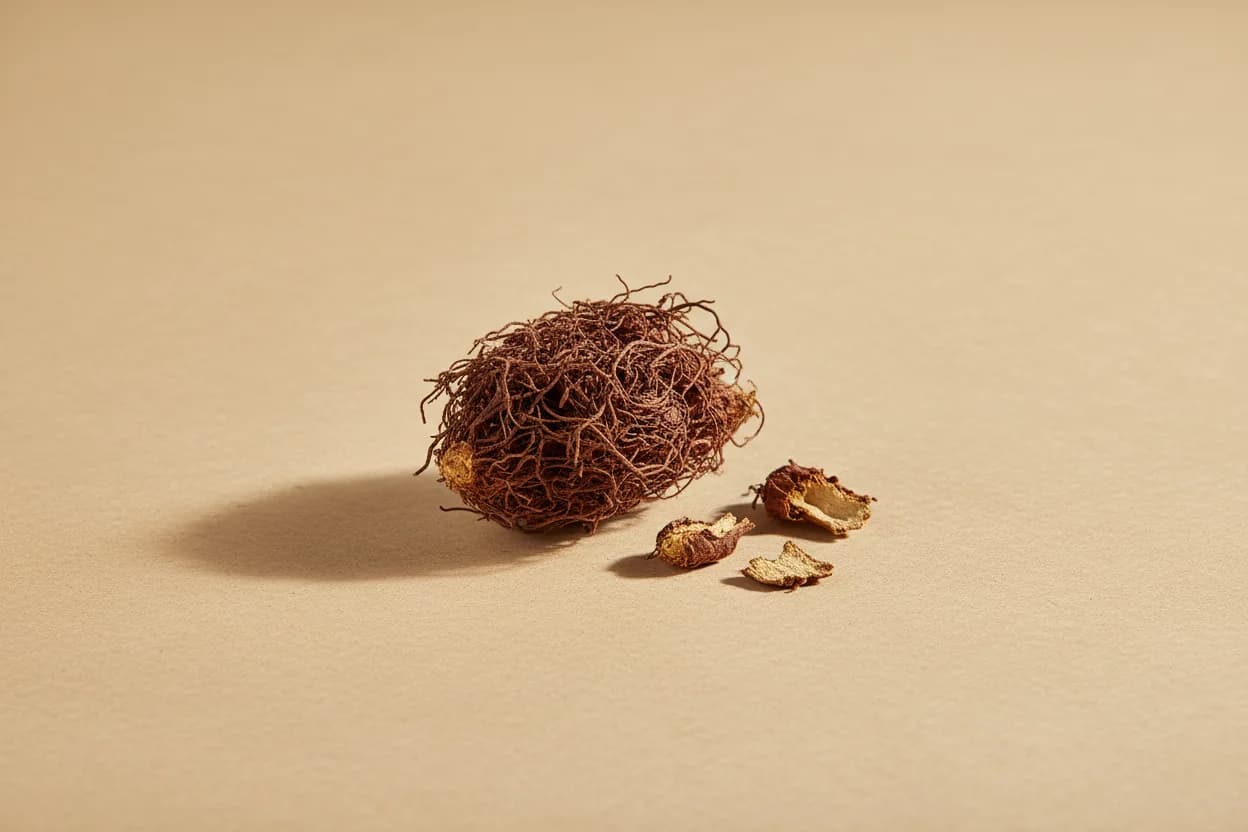
A sesquiterpene from spikenard root that carries its deep, resinous earthiness and its traditional quieting, sleep-inviting pull.

EarthySleep

On the table together

THE INDEX, LINKED

This recipe is part of a set: follow the thread through the blends it uses and what it's served with.

FROM THE JOURNAL

The reading behind this recipe

The perfume in the jar is now a protected species
№13Origins

The perfume in the jar is now a protected species

Pliny priced Indian nard at a hundred denarii a pound. Two thousand years later the same Himalayan rhizome is assessed as Critically Endangered, and its assessors report the Indian wild population down by more than eighty per cent in a decade.

2 August 2026·8 min read·11 SOURCES