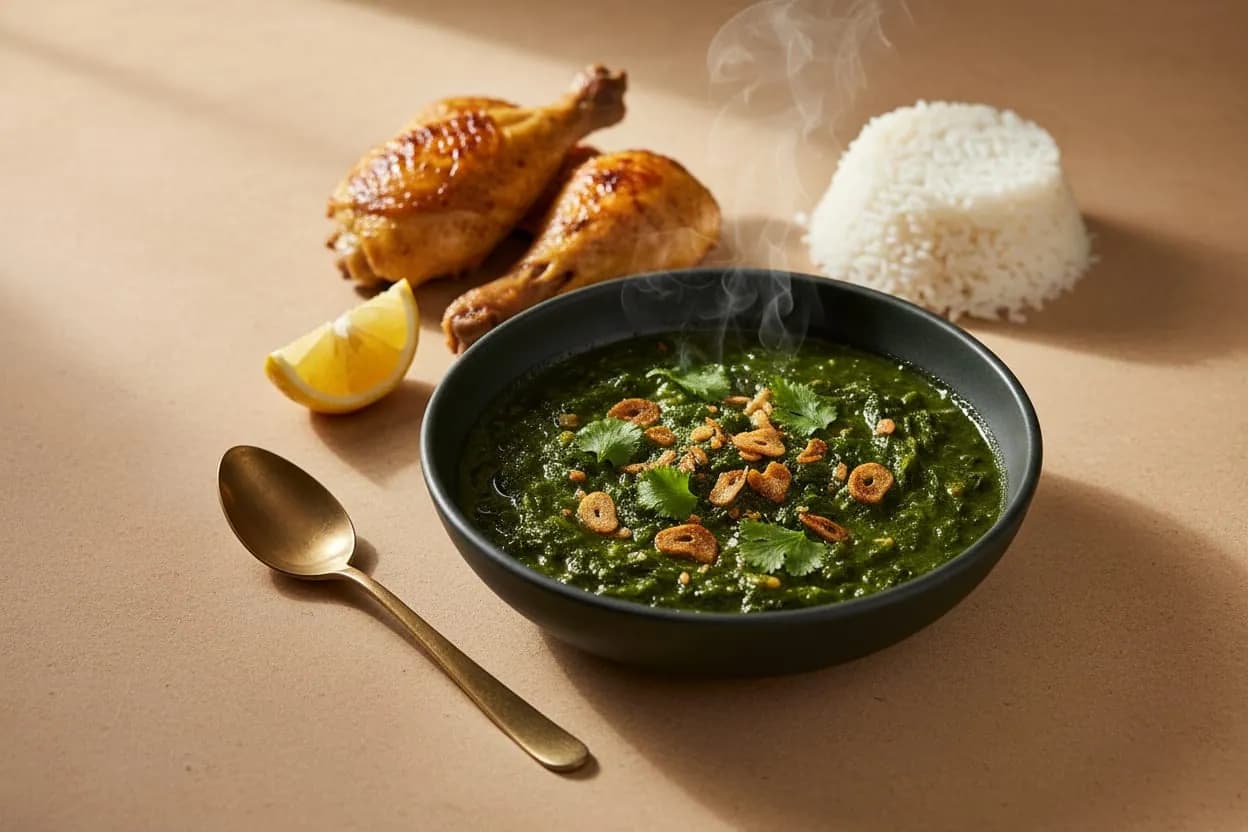
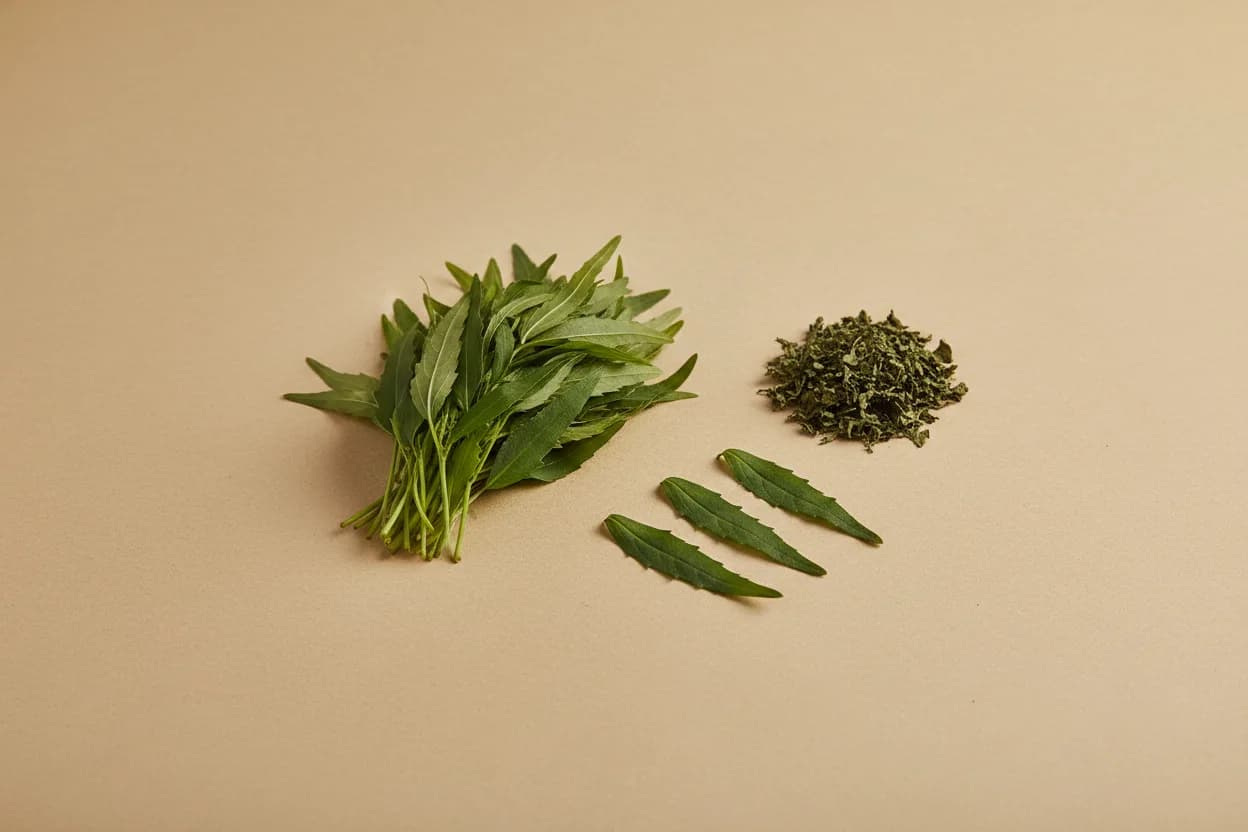
Palestinian Molokhiya with Chicken Medium · about 1 hour · Forgiving · 1 pot molokhiya: green, garlicky, and deeply savoury 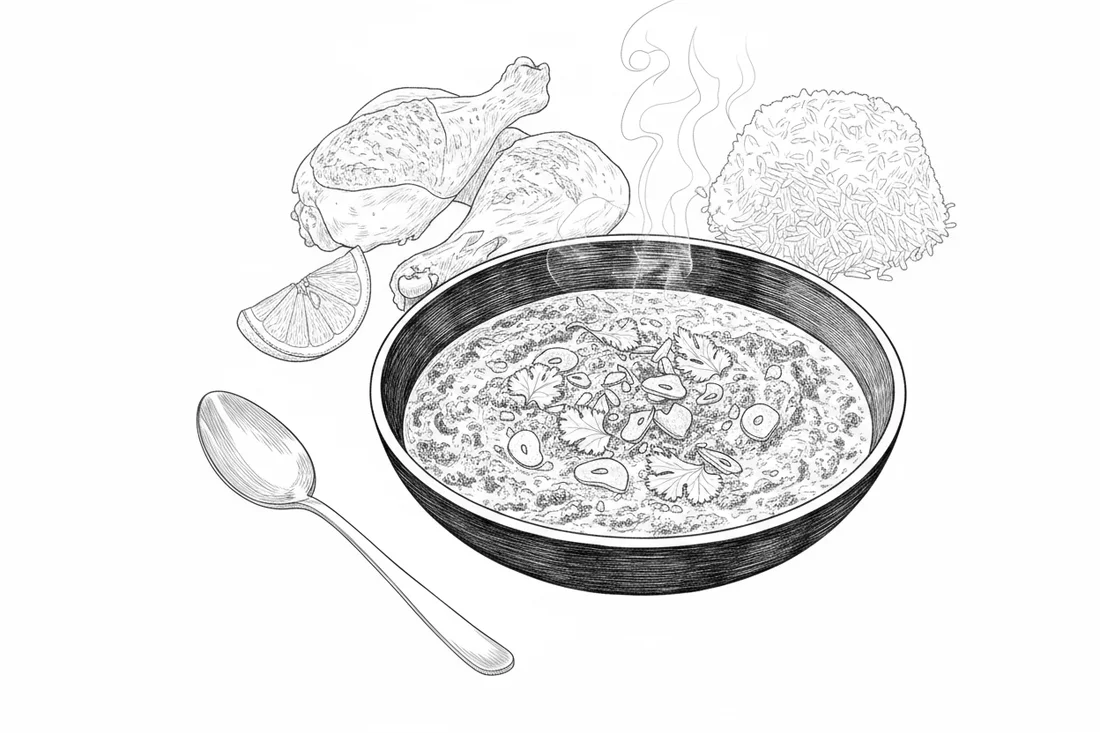 Molokhiya (silky jute-mallow leaves simmered in a rich chicken broth) is one of Palestine's most-loved home dishes, and the whole thing turns on the taqliya: a last-minute sizzle of garlic, green chili, and fresh cilantro in olive oil, tipped in so its aroma blooms across the pot. Frozen molokhiya keeps it a weeknight dish, and a pressure-cooked bird gives both the broth and a plate of roast chicken alongside. Like every Levantine staple it shifts house to house (more chili here, more garlic there), but it is always spooned over rice with a hard squeeze of lemon. INGREDIENTS - 800 g molokhiya (frozen)
- 2.2 kg chicken (whole or in pieces; ≈ 2.2 kg)
- 2.25 L chicken broth (reserved from the chicken; ≈ 2¼ L)
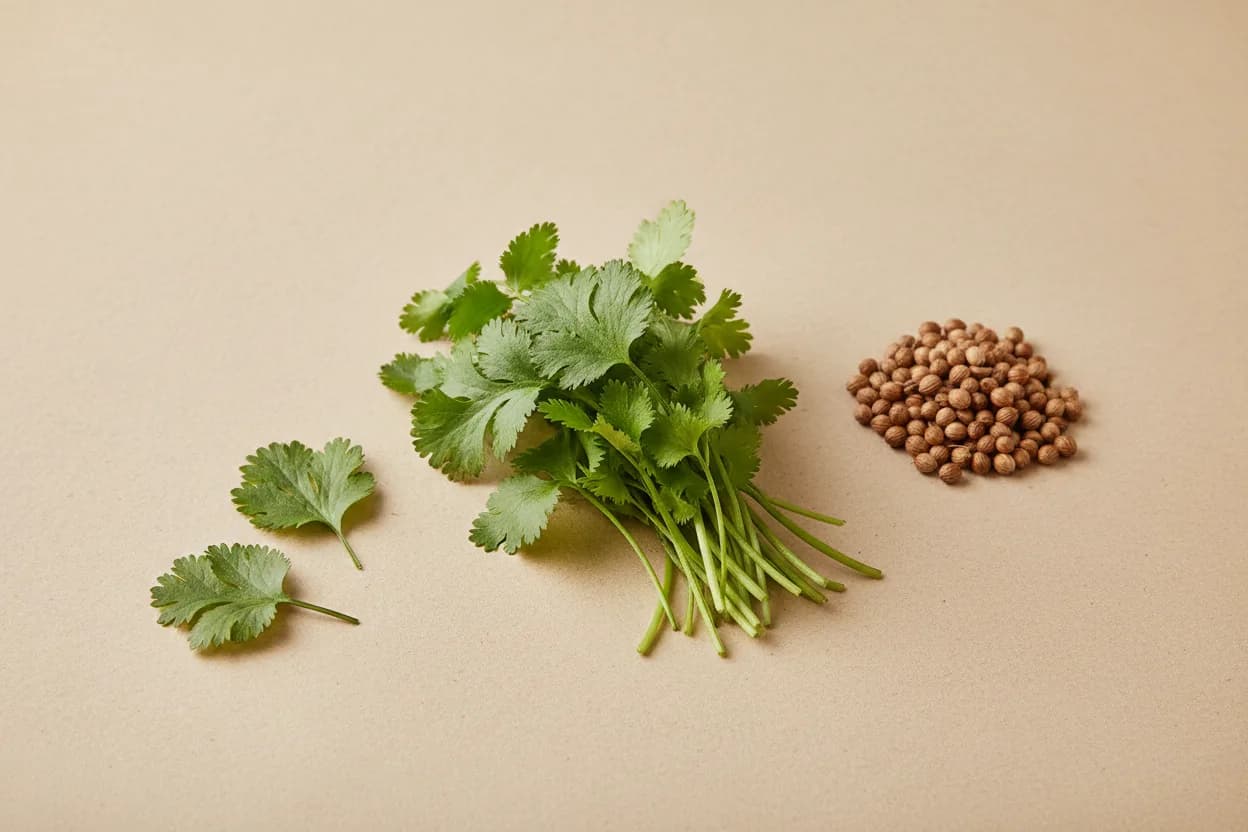
- 1 cup fresh cilantro (fresh, finely chopped)
- 3 green chili peppers (finely chopped)
- 1 head garlic (minced; ≈ 10–12 cloves)
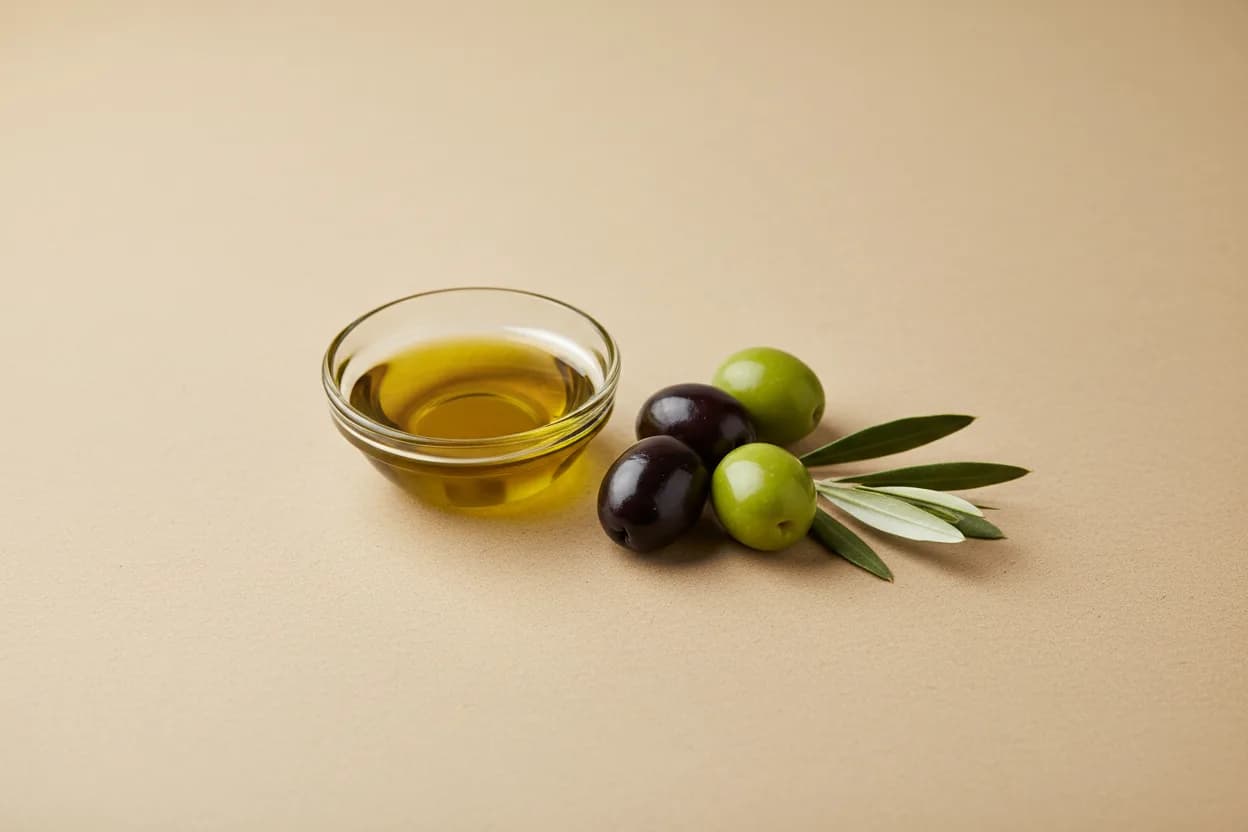
- 90 ml olive oil (≈ 6 tbsp)
- 12 g coriander seeds (ground; ≈ 2 tbsp)
- 5 g sea salt (to taste)
- 2 g black peppercorns (ground; to taste)
Method - Broth: Place the chicken in a pressure cooker with enough water to cover.
- Broth: Cook on high pressure, then let the pressure release naturally. (25 min + 15 rest)
- Broth: Lift out the chicken and reserve the broth; roast the chicken in the oven until golden if you like.
- Molokhiya: Bring the reserved broth to a gentle simmer and add the frozen molokhiya straight in, stirring until fully thawed and combined.
- Molokhiya: Simmer gently until the leaves are silky and the pot smells green. (5–8 min)
- Taqliya: Heat the olive oil in a small pan and fry the garlic just until fragrant. (20 sec)
- Taqliya: Add the green chili for another few seconds, then the cilantro until it wilts and darkens. (50 sec)
- Taqliya: Stir in the ground coriander, salt, and pepper for ten seconds, then pour the taqliya straight into the molokhiya.
- Finish: Simmer to marry the flavours, then taste and adjust the salt. (2 min)
- Finish: Serve over rice with the roasted chicken and lemon wedges.
The chemistry - allicin (C₆H₁₀OS₂) · pungent, sulphurous
- glutamic acid (C₅H₉NO₄) · deep umami
- cis-3-hexen-1-ol (C₆H₁₂O) · cut-grass green
- (E)-2-decenal (C₁₀H₁₈O) · fresh cilantro aroma
- capsaicin (C₁₈H₂₇NO₃) · clean, green heat
- linalool (C₁₀H₁₈O) · soft floral-citrus
- piperine (C₁₇H₁₉NO₃) · gentle warmth
Nutrition - Calories · 3848
- Protein · 534 g
- Total Fat · 159 g
- Saturated Fat · 31 g
- Total Carbohydrate · 69 g
- Dietary Fiber · 19 g
- Total Sugars · 16 g
- Sodium · 12065 mg
- Cholesterol · 1585 mg
|