Skip to content
MORTAR & KETTLE
Apothecary of Flavor
, home
HERBAL TEA · №018

Deep Sleep Tea

a heavy-lidded nightcap

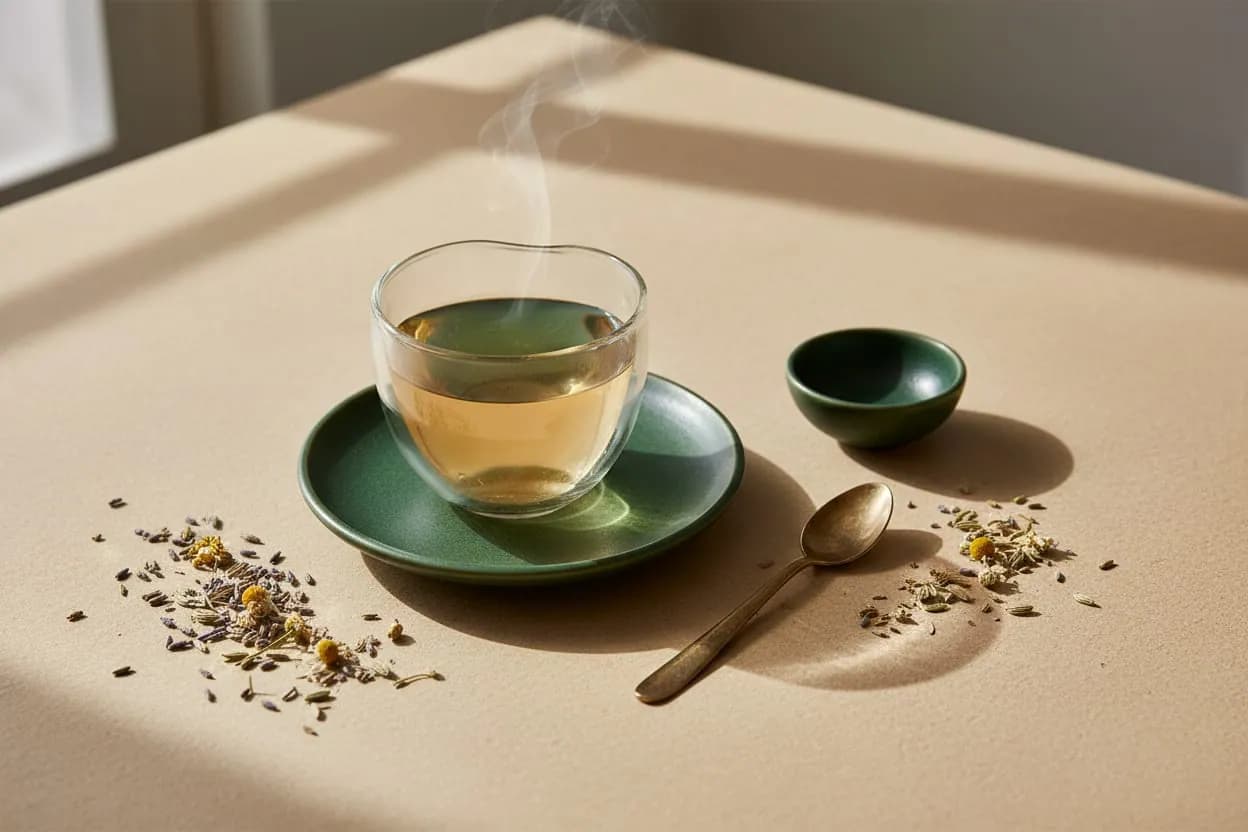
A heavy-lidded nightcap that trades stimulation for surrender: sweet fennel and honeyed chamomile soften the edges while lavender and valerian pull the nervous system down toward sleep. Sip it covered and warm, just before bed, and let the botanicals do the settling.

Easy10 minModerate
FloralSweetSleepCalming
Deep Sleep Tea · finished

Method

Check off each step as you go. Your progress is saved. Amounts below already match your batch size.

Simmer the fennel in the water to open its sweetness.
▸0.4 gfennel seeds▸300 mlfiltered water
3 min
Turn off the heat and add the chamomile, lavender, valerian, and mint.
▸1 gchamomile flowers▸0.09 gdried lavender▸0.2 glemon valerian▸2 leavesfresh mint
Steep, covered, then strain and drink just before bed.
6–7 min
“A good steep is chemistry with the kettle on. Mind the minutes.”
THE MORTAR & KETTLE METHOD

The chemistry

SKELETAL STRUCTURES

4 compounds carry this recipe. Here is what each one does and, where we have it, what it actually looks like.

C₁₀H₁₈O
C₁₀H₁₈O

The soft floral heart of lavender; it quiets the nervous system and lends the tea its calming, sleep-leaning perfume.

FloralCalming
C₁₅H₁₀O₅
C₁₅H₁₀O₅

Chamomile's signature flavone binds to the brain's benzodiazepine-adjacent receptors, easing the mind toward rest.

SleepCalming
C₁₀H₁₂O
C₁₀H₁₂O

Released when the fennel simmers, it gives the brew its rounded, honeyed sweetness and a gentle digestive calm.

SweetCalming
C₁₅H₂₂O₂
valerenic acid
C₁₅H₂₂O₂

Valerian's active acid slows GABA breakdown in the brain, deepening the tea's pull toward sleep.

SleepCalming

About

IN DEPTH

Four botanicals and one order of operations. The fennel simmers for three minutes, because the anethole that makes it taste sweet comes out in heat; then the heat goes off and the chamomile, lavender, valerian and a couple of mint leaves steep, covered, for six or seven minutes. That sequence is not fussiness. The European Medicines Agency's template for telling patients how to prepare a herbal tea has a line saying aromatic herbs like mint may be infused at the end of a decoction, and that line describes this cup exactly. What you get is honeyed and floral on top, with the valerian root underneath, and the recipe adds no sugar.

The evidence is narrower than the name. Chamomile's clinical reputation rests on capsule extracts: the one dedicated trial in chronic insomnia gave 34 adults a standardised extract for four weeks and found no difference from placebo, and its authors calculated that the dose stood for 15 grams of flowers a day, more than any teapot delivers. The trial that used tea, 80 women with poor sleep after childbirth, improved sleep and mood at two weeks and showed no difference by four. Pooled across twelve trials, chamomile improved sleep quality and did nothing for state anxiety. Lavender's strongest result belongs to a licensed oral preparation, not to petals in hot water. The Journal's notes on chamomile and on herbs for chronic stress walk through all of it.

So drink it for what it is: a warm, sweet, sedative-leaning cup that ends the day, taken covered so the lavender's linalool stays in the water rather than the kitchen air, just before bed. Keep the valerian at the small amount the recipe gives; it is the sedative in the cup.

On the table together

THE INDEX, LINKED

This recipe is part of a set: follow the thread through the blends it uses and what it's served with.

FROM THE JOURNAL

The reading behind this recipe

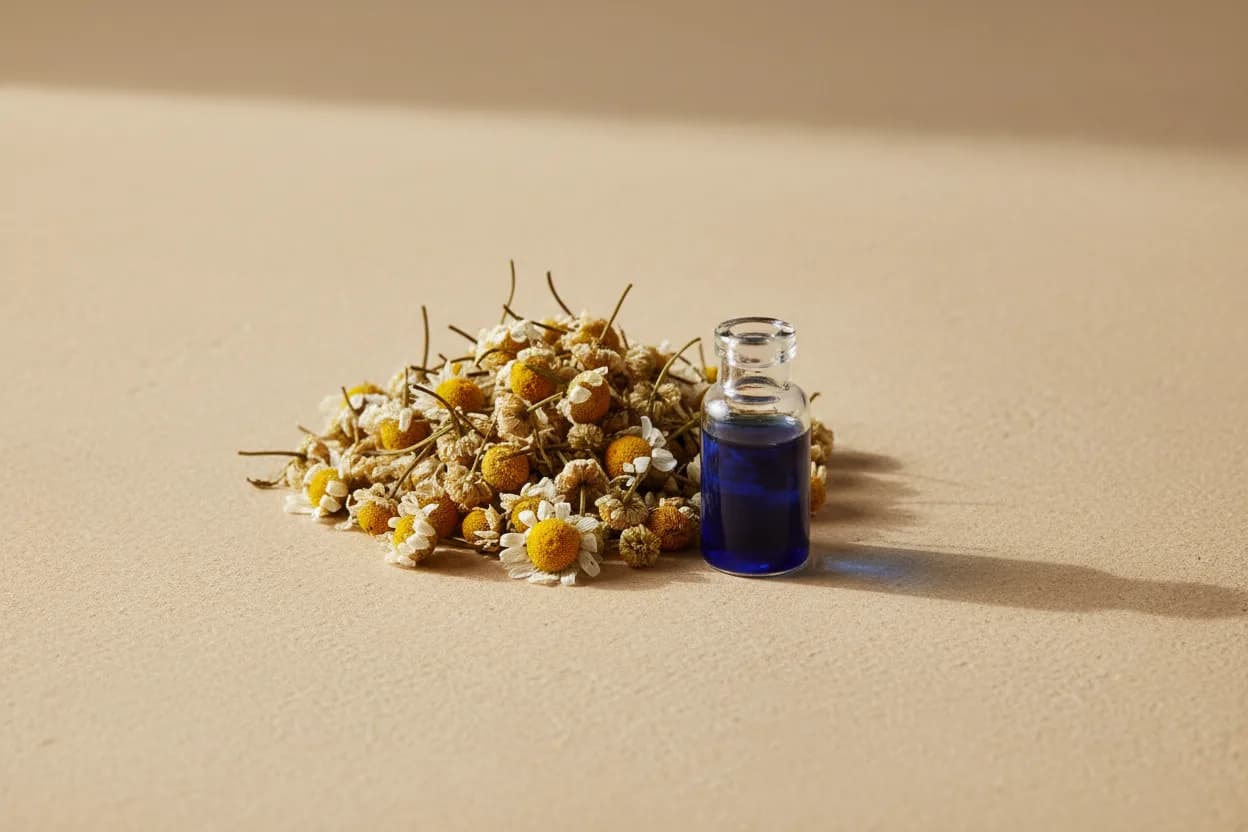
Chamomile makes its blue in the still, not in the field
№50Chemistry

Chamomile makes its blue in the still, not in the field

German chamomile flowers are white and gold. Distil them and the oil runs ink-blue, from a molecule the living plant never contains. What is in the flower, what a cup of tea actually carries, and why the trials that made chamomile's name mostly did not use tea.

16 September 2026·10 min read·17 SOURCES
What to boil, what to steep, and the rule that was never tested
№30Chemistry

What to boil, what to steep, and the rule that was never tested

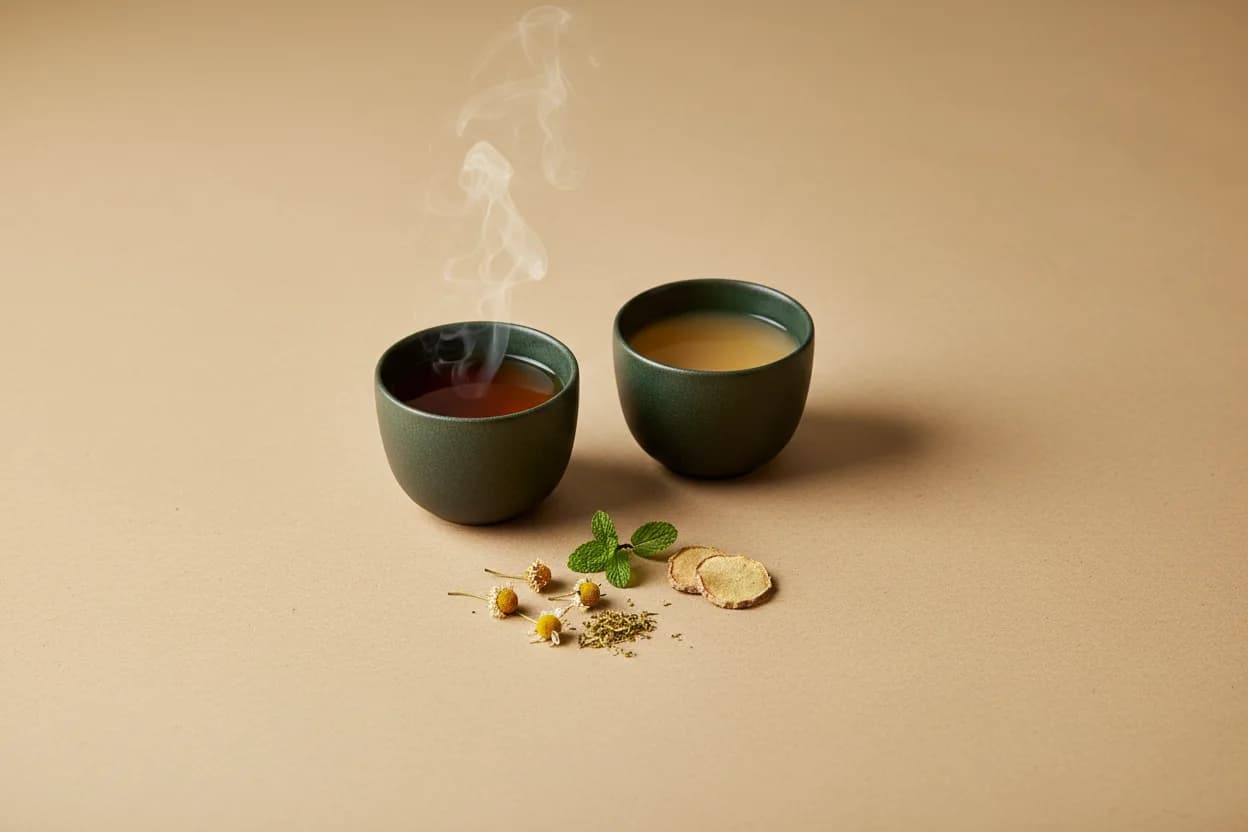
Roots and barks get boiled, leaves and flowers get steeped. Every herbal tradition says so and the European Medicines Agency prints it as guidance. I went looking for the measurement underneath it and could not find one. Here is what the four methods actually do, and where the received wisdom holds.

11 August 2026·14 min read·19 SOURCES
Anise is not thirteen times sweeter than sugar, and nobody has ever checked
№22Chemistry

Anise is not thirteen times sweeter than sugar, and nobody has ever checked

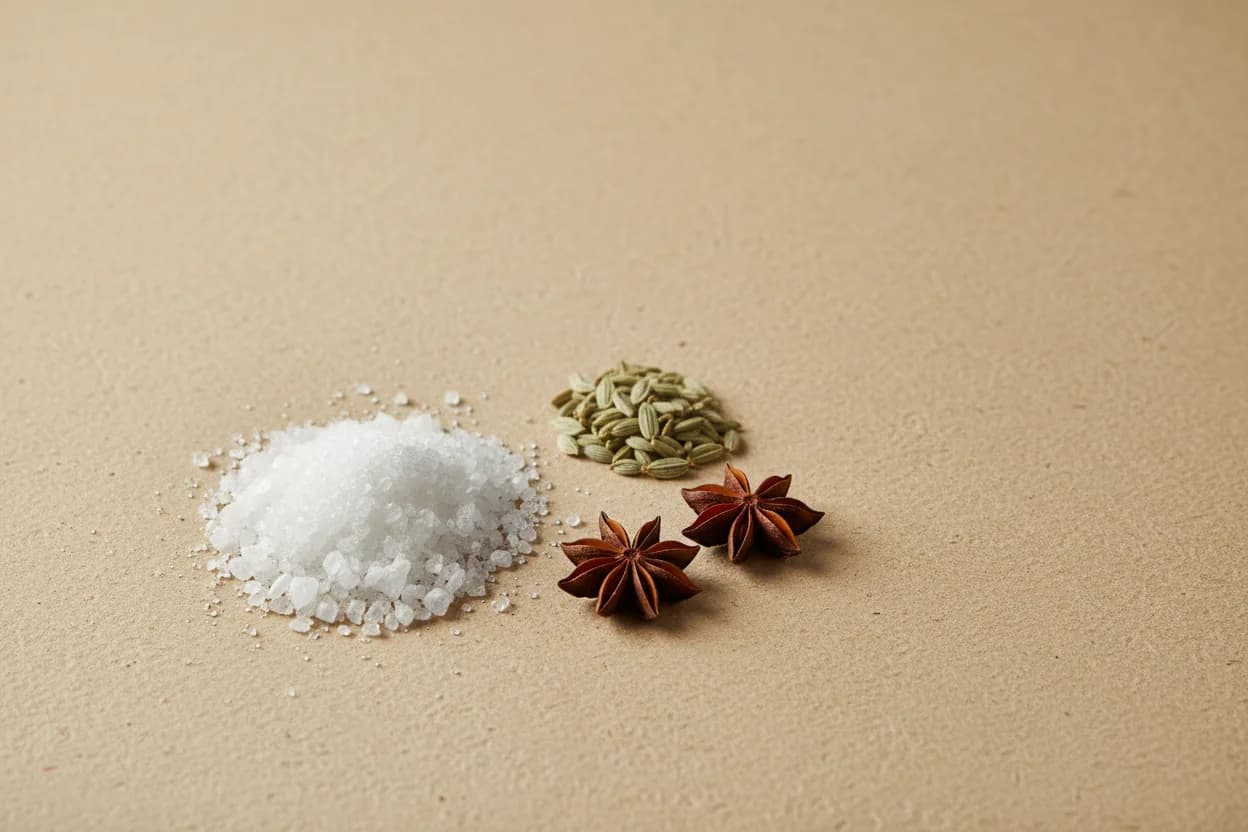
Sweet taste runs through a single receptor that will accept a sugar, a protein or a synthetic molecule with equal enthusiasm. Which is how anise tastes sweet with no sugar in it. The famous number attached to that fact, though, traces back to an uncited sentence, and the measurement behind it could not have been made.

6 August 2026·14 min read·26 SOURCES