Skip to content
MORTAR & KETTLE
Apothecary of Flavor
, home
SPICE MIX · №023

Rice Spice Mix

the pilaf backbone

A quiet architecture of toasted seeds and bark, this blend gives rice its low, resonant hum: earthy cumin anchored beneath sweet cinnamon and the cool lift of cardamom. It is less a garnish than a foundation, the backbone every good pilaf is built upon.

Easy8 minForgiving
EarthySweetWoodyDigestiveWarming
Rice Spice Mix · finished

Method

Check off each step as you go. Your progress is saved. Amounts below already match your batch size.

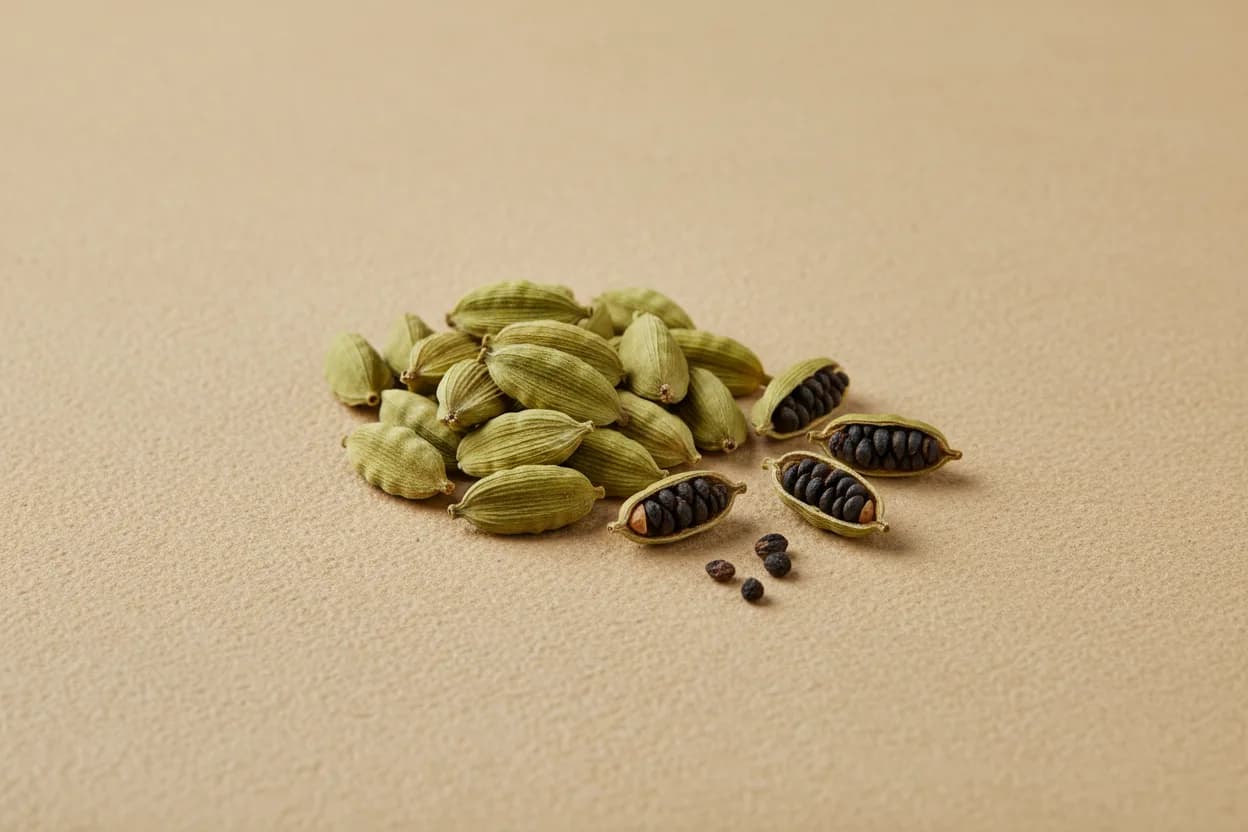
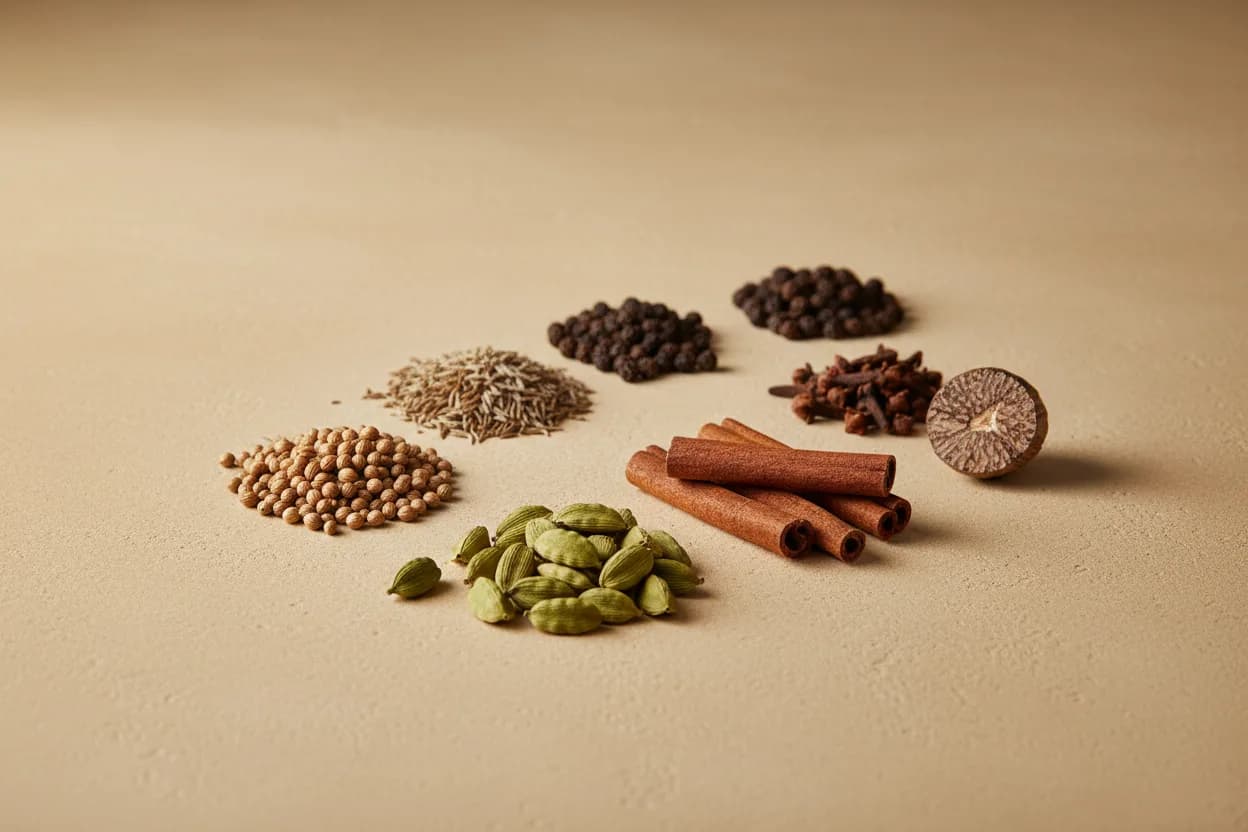
Toast the cumin, coriander, peppercorns, cinnamon, and cardamom in a dry pan until fragrant.
▸2 gcumin seeds▸2 gcoriander seeds▸4 black peppercorns▸1 piececinnamon stick▸2 podsgreen cardamom
2–3 min
Cool, then grind to a fine powder.
▸2 gcumin seeds▸2 gcoriander seeds▸4 black peppercorns▸1 piececinnamon stick▸2 podsgreen cardamom
Stir in the powdered allspice.
▸0.3 gallspice
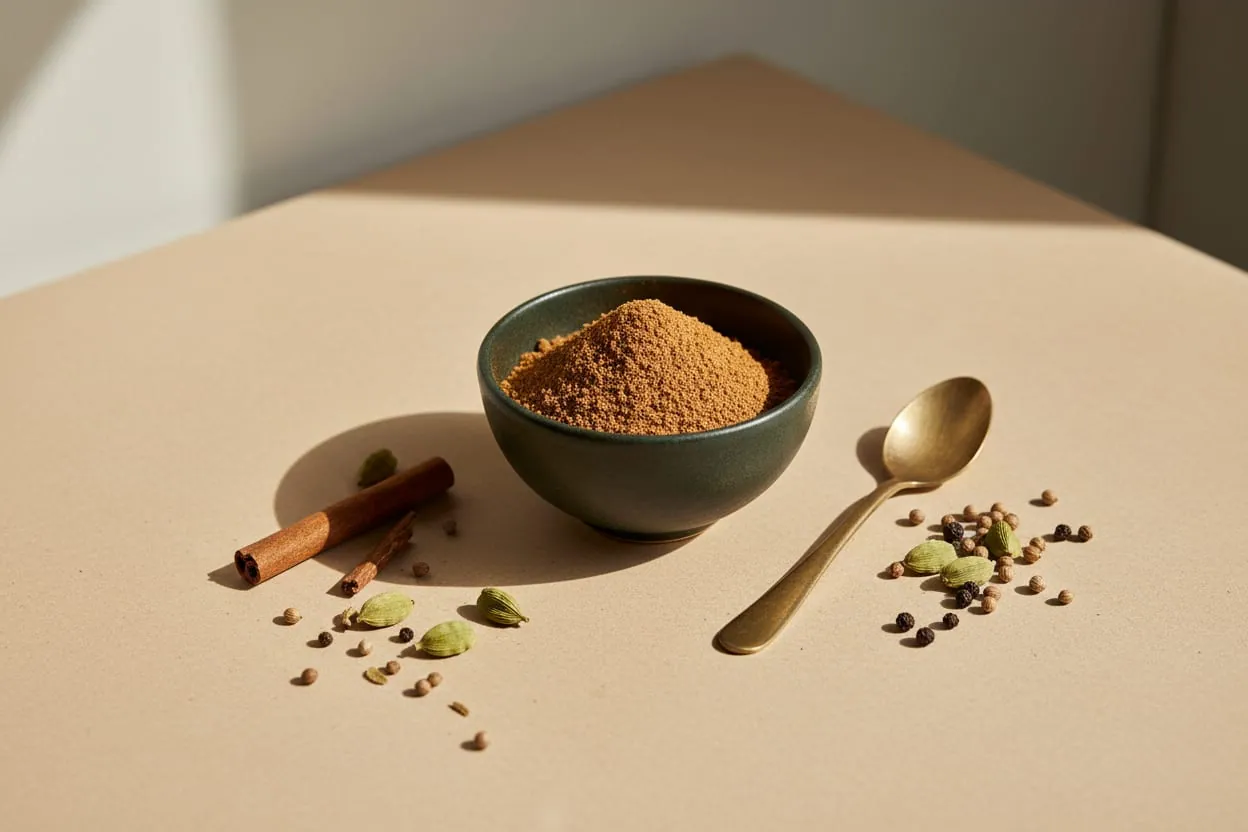
Jar airtight; stir into rice pilafs as they toast.
“Toast, grind, and know exactly why it works.”
THE MORTAR & KETTLE METHOD

The chemistry

SKELETAL STRUCTURES

4 compounds carry this recipe. Here is what each one does and, where we have it, what it actually looks like.

C₁₀H₁₂O
C₁₀H₁₂O

Released as the cumin seeds toast, cuminaldehyde lays down the blend's deep, savory floor and cues the gut to prepare for the meal.

EarthyDigestive
C₉H₈O
C₉H₈O

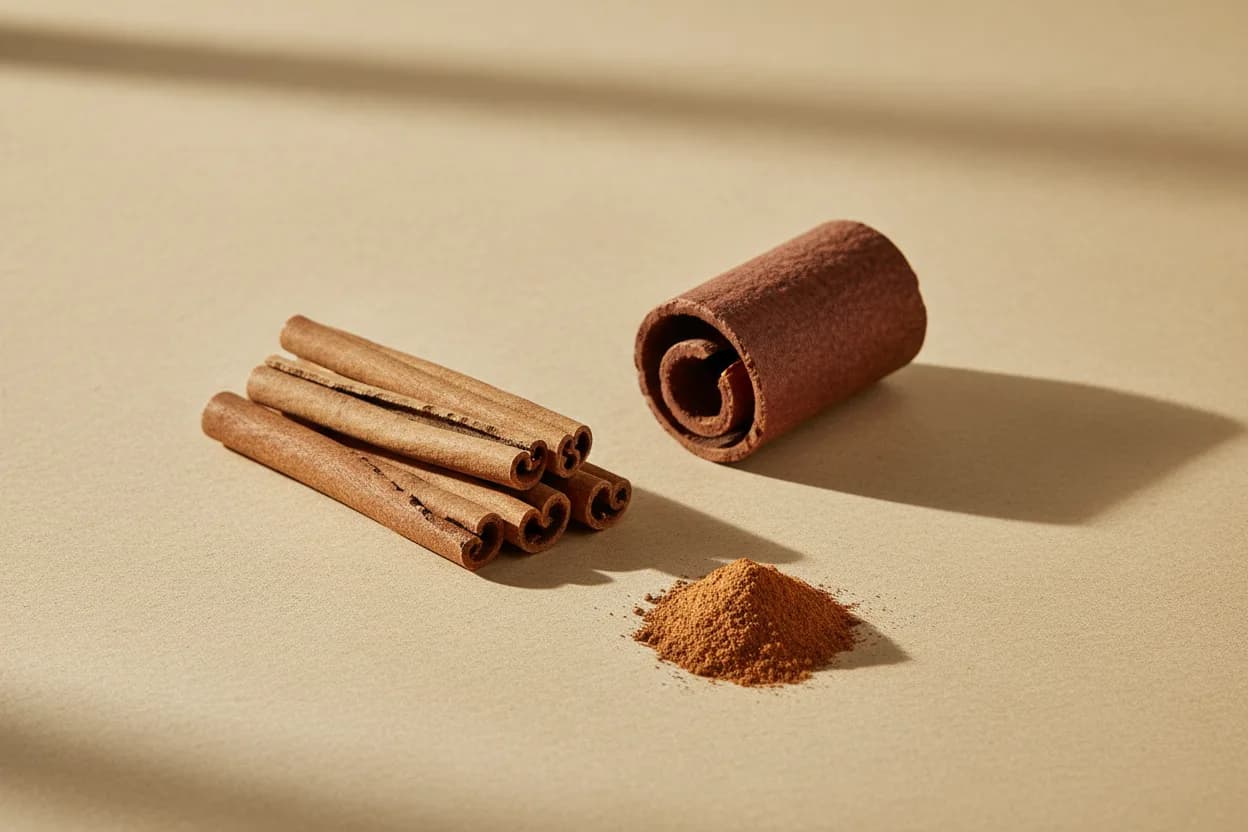
Carried by the cinnamon stick, cinnamaldehyde threads a rounded sweetness through the mix and lends the gentle warmth that softens the sharper seeds.

SweetWarming
C₁₀H₁₈O
C₁₀H₁₈O

The eucalyptol at the heart of cracked cardamom, cineole opens the blend with a cool, camphoraceous lift that keeps the earthy base from turning heavy.

WoodyDigestive
C₁₀H₁₂O₂
C₁₀H₁₂O₂

A pinch of powdered allspice brings eugenol, whose clove-like warmth binds the toasted spices together and deepens the blend's woody finish.

WoodyWarming

About

IN DEPTH

Two grams of cumin, two grams of coriander, and then a count: four peppercorns, one small cinnamon stick, two cracked cardamom pods. The sixth spice, 0.3 g of powdered allspice (about an eighth of a teaspoon), is a pinch. The first five go into a dry pan for two to three minutes, until fragrant, then cool and get ground to a fine powder; the allspice is stirred in afterward and never touches the heat. The recipe's own description of the result is a pilaf backbone: earthy cumin anchored under sweet cinnamon, with the cool lift of cardamom.

The Journal's note on the seven-spice blends gives most of these a number. Cumin's volatiles are 55.5 per cent cuminaldehyde. Cinnamon is the odd one out, 63.7 per cent carbonyl compounds with cinnamaldehyde the largest peak, where nearly every other spice is dominated by terpenoids. Regulators characterise cardamom seed oil as above 35 per cent terpineol acetate and above 20 per cent 1,8-cineole, the cool note this recipe lists as cineole. The note on cumin adds an honest limit: heat ruptures the oil-bearing structures in the seed coat, but the tidy figures online for how much cuminaldehyde toasting creates trace to no real measurement. Allspice brings the clove-like eugenol, and it is native only to southern Mexico, Central America and the Caribbean, so a blend that contains it cannot be older than 1492.

In this library the mix seasons the rice of Gazan Sayadiya, where the drained rice and the Rice Spice Mix are stir-fried together for two minutes. The recipe's general rule is the same: jar it airtight and stir it into pilafs as they toast. The one caution people raise about the bark belongs to the Journal's note on cinnamon and cassia, which is about coumarin, and that note is explicit that for a stick in a pot of rice none of it is about you. It concerns people taking cassia capsules daily for months.

On the table together

THE INDEX, LINKED

This recipe is part of a set: follow the thread through the blends it uses and what it's served with.

FROM THE JOURNAL

The reading behind this recipe

The Malabar spice that Guatemala grows and does not eat
№35Origins

The Malabar spice that Guatemala grows and does not eat

In 2023 Guatemala exported 52,692 tonnes of cardamom and India exported 6,536. Same customs line, same year, same dataset. The plant is native to a narrow band of wet forest in the Western Ghats, its nearest relatives are African, and the story everyone tells about how it reached Central America turns out to rest on nothing you can check.

14 August 2026·11 min read·11 SOURCES
Nobody is actually counting the seven spices
№18Origins

Nobody is actually counting the seven spices

The practice is genuinely old and the blend is genuinely documented, in a thirteenth-century Aleppan cookbook that lists twelve ingredients including spikenard and rosebuds. The name is Ottoman, the number is a convention, and one spice in the modern jar could not have reached the Levant before 1492.

4 August 2026·12 min read·26 SOURCES
Two barks, one name, one real difference
№06Safety

Two barks, one name, one real difference

Most cinnamon sold in the world is not cinnamon. That is usually a pedantic distinction. Where coumarin is concerned, it is a measurable one, and the numbers are smaller than you would guess.

31 July 2026·7 min read·8 SOURCES