Skip to content
MORTAR & KETTLE
Apothecary of Flavor
, home
HERBAL TEA · №019

Sweet Digestive Tea

a sweet, settling after-dinner pot

A carminative pot built on the sweet, anise-scented seeds (fennel, anise, and cumin), warmed with ginger and cardamom and rounded by licorice and chamomile. It coaxes the stomach to unclench after a heavy meal while leaving a soft, herbaceous calm in its wake.

Medium9 minModerate
SweetHerbaceousDigestiveCalming
Sweet Digestive Tea · finished

Method

Check off each step as you go. Your progress is saved. Amounts below already match your batch size.

Simmer the fennel, anise, cumin, ginger, cardamom, and licorice in the water.
▸0.25 gfennel seeds▸0.45 ganise seeds▸0.15 gcumin seeds▸2 gfresh ginger▸1 podgreen cardamom▸0.3 glicorice root▸600 mlfiltered water
4–5 min
Turn off the heat and add the chamomile and dried mint.
▸1.8 gchamomile flowers▸0.2 gdried mint
Steep, covered, then strain into a warmed pot.
3–4 min
“A good steep is chemistry with the kettle on. Mind the minutes.”
THE MORTAR & KETTLE METHOD

The chemistry

SKELETAL STRUCTURES

4 compounds carry this recipe. Here is what each one does and, where we have it, what it actually looks like.

C₁₀H₁₂O
C₁₀H₁₂O

The shared aromatic heart of fennel and anise; it lends the pot its sweet, faintly medicinal top note and relaxes the smooth muscle of the gut to ease bloating.

SweetDigestive
C₄₂H₆₂O₁₆
C₄₂H₆₂O₁₆

The saponin behind licorice root's deep, lingering sweetness; here it amplifies the seeds' natural sugars without a grain of sugar added, and soothes the stomach lining.

SweetDigestive
C₁₇H₂₆O₄
C₁₇H₂₆O₄

Fresh ginger's signature warmth; it stimulates gastric emptying and gently offsets the sweetness with a spiced, herbaceous bite.

HerbaceousDigestive
C₁₅H₂₆O
C₁₅H₂₆O

Chamomile's mild, sweet-floral terpene, released once the heat is off; it quiets the nervous system and settles the finish into an after-dinner calm.

HerbaceousCalming

About

IN DEPTH

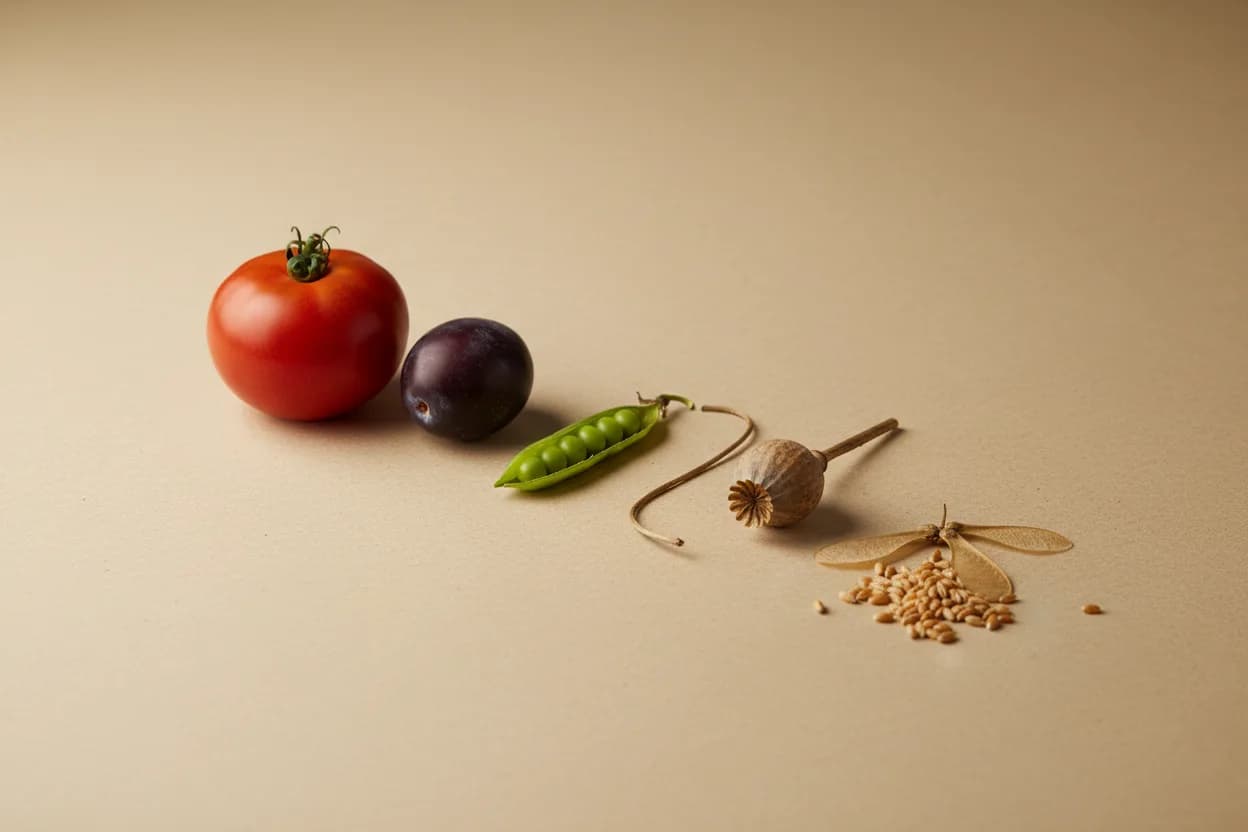
Fennel, anise and cumin look like seeds and are not: the Journal's note on fruit types calls them whole dry fruits of the parsley family. This pot simmers 0.25 grams of lightly crushed fennel, 0.45 of anise, 0.15 of cumin, 2 grams of sliced ginger, one cracked cardamom pod and 0.3 grams of licorice in 600 millilitres of water for four or five minutes. Off the heat go 1.8 grams of dried chamomile and 0.2 of dried mint, steeped covered for three or four minutes, then strained. The sweetness is sugar-free: the Journal's note on sweet taste reports a 2025 Japanese study showing anethole activates the human sweet receptor, and found no source for the claim that it is thirteen times sweeter than sugar.

The promised effect is digestive; the evidence is mostly traditional use. The EU anise monograph, per the Journal's ouzo-effect note, lists bloating and flatulence at 1 to 3.5 grams of seed per 150 millilitres of boiling water, three times a day, for no more than two weeks; this pot has 0.45 grams in 600. The chamomile note says its 2015 monograph entry is the same kind, resting on long use without trials. The cumin note's best result is one unreplicated trial of an extract after abdominal surgery, gas at nine hours against nearly twelve. The mint note calls its cold false: menthol makes TRPM8 open at mouth temperature.

Take it after a heavy meal, occasionally. The licorice is the reason: the glycyrrhizin note gives the EU ceiling of 100 milligrams of glycyrrhizinic acid a day for regular consumption, across every source, and a Dutch survey found four of 33 herbal tea brands above 100 milligrams per litre. Glycyrrhizin pushes potassium down and blood pressure up, so skip it with hypertension or on diuretics. The anise monograph advises against use under twelve, in pregnancy and while breastfeeding. The chamomile note adds that people allergic to ragweed are more likely to react, and describes a woman on warfarin admitted with haemorrhages after chamomile tea and lotion.

Possible side effects

USE WITH CARE
  • Licorice root comes with a regulator's ceiling. The EU's Scientific Committee on Food set 100 milligrams of glycyrrhizinic acid a day for regular consumption, counted across every source combined, and glycyrrhizin pushes potassium down and blood pressure up. Fine as an occasional pot, not a daily habit, and one to skip with hypertension or on diuretics. The Journal note on licorice, linked on this page, has the numbers.

These notes are educational, not medical advice. Read the terms

On the table together

THE INDEX, LINKED

This recipe is part of a set: follow the thread through the blends it uses and what it's served with.

FROM THE JOURNAL

The reading behind this recipe

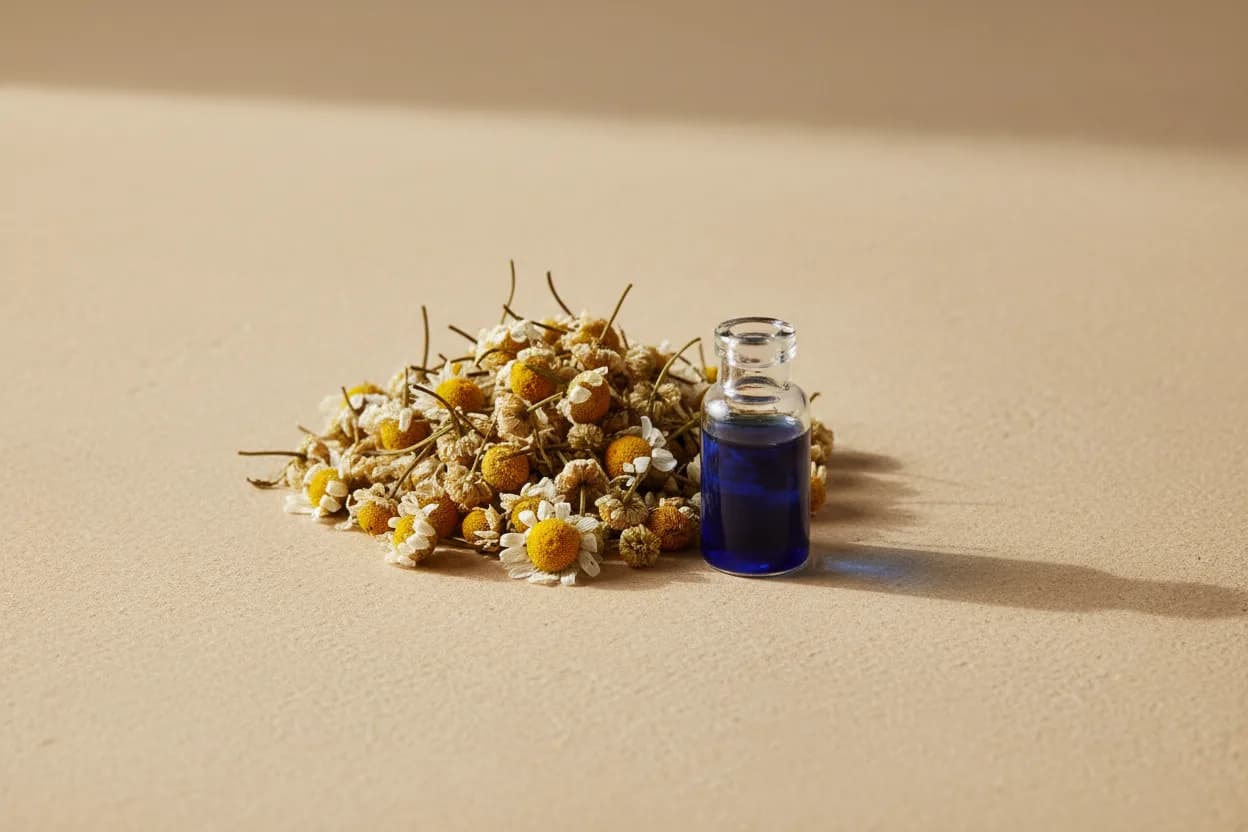
Chamomile makes its blue in the still, not in the field
№50Chemistry

Chamomile makes its blue in the still, not in the field

German chamomile flowers are white and gold. Distil them and the oil runs ink-blue, from a molecule the living plant never contains. What is in the flower, what a cup of tea actually carries, and why the trials that made chamomile's name mostly did not use tea.

16 September 2026·10 min read·17 SOURCES
The Malabar spice that Guatemala grows and does not eat
№35Origins

The Malabar spice that Guatemala grows and does not eat

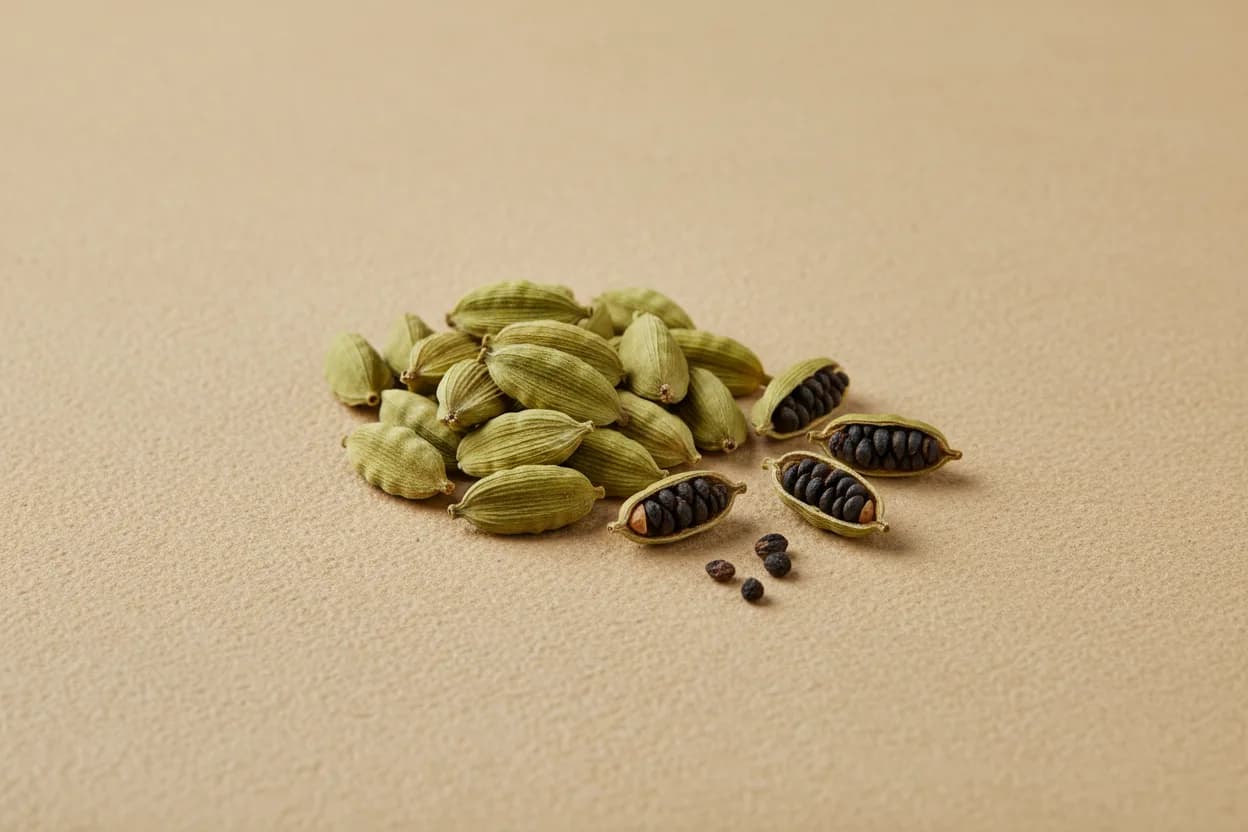
In 2023 Guatemala exported 52,692 tonnes of cardamom and India exported 6,536. Same customs line, same year, same dataset. The plant is native to a narrow band of wet forest in the Western Ghats, its nearest relatives are African, and the story everyone tells about how it reached Central America turns out to rest on nothing you can check.

14 August 2026·11 min read·11 SOURCES